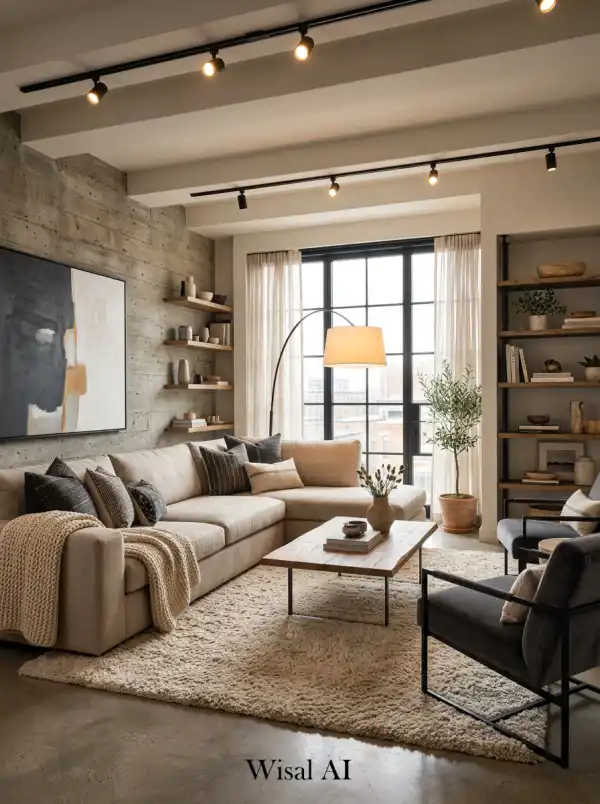
The way you arrange your living room furniture has a greater impact on comfort and functionality than almost any other design decision. Even the most beautiful sofa, coffee table, or accent chair can feel out of place if the overall layout doesn't support the way you live. A thoughtful furniture arrangement makes conversations easier, improves movement throughout the room, maximizes available space, and creates a balanced atmosphere that feels welcoming every day. Many homeowners assume that creating a functional living room requires a large space, but that's rarely the case. Whether your living room is compact, open-concept, narrow, or spacious, the right furniture layout can dramatically improve both comfort and appearance. Professional interior designers focus on traffic flow, focal points, proportion, and flexibility long before selecting decorative accessories. A successful layout begins with understanding how the room will actually be used. Some families need plenty of seating for entertaining guests, while others prioritize a cozy space for watching movies or relaxing after work. Designing around these everyday habits ensures the room feels practical rather than simply attractive. The position of your sofa, chairs, coffee table, rugs, and storage pieces should encourage natural movement without making the room feel crowded. Every furniture piece should have a purpose, and together they should create a sense of balance while leaving enough open space for comfortable circulation. Fortunately, improving your living room layout doesn't always require buying new furniture. In many cases, simply rearranging existing pieces can make the room feel significantly larger, brighter, and more inviting. In this guide, you'll discover 15 living room furniture layouts that work in almost any home. These timeless designer-approved arrangements combine comfort, flexibility, and style to help you create a living room that supports everyday living while looking effortlessly elegant.
1. Center the Room Around a Clear Focal Point
Every successful living room begins with a focal point. Professional designers first identify the room's natural center of attention before arranging any furniture. This focal point might be a fireplace, large window, built-in shelving, statement artwork, or television. Once the focal point has been established, position the primary seating so it naturally faces or complements that feature. Avoid arranging furniture randomly around the walls without a clear visual destination. A strong focal point immediately creates order while making the room feel intentional and balanced. Even in small living rooms, this simple principle dramatically improves the overall layout.
2. Float Furniture Away from the Walls
One of the biggest misconceptions in interior design is that every piece of furniture should sit against the wall. Professional designers often pull sofas and chairs several inches—or even several feet—away from surrounding walls whenever space allows. Floating furniture creates greater visual depth while making the seating arrangement feel more intimate. It also allows conversation areas to form naturally instead of leaving a large empty space in the center of the room. Even moving a sofa forward by a small amount can completely change how the room feels. This technique is especially effective in medium and large living rooms.
3. Arrange Seating for Conversation
A comfortable living room encourages people to interact naturally. Rather than placing every chair in a straight line facing the television, position seating so family members and guests can comfortably see one another. L-shaped seating arrangements, sofas facing accent chairs, or two sofas opposite each other all create inviting conversation zones. Coffee tables should remain close enough to reach comfortably without blocking movement. Professional designers typically aim for balanced spacing that supports both conversation and relaxation. The result is a living room that feels welcoming whether entertaining guests or spending quiet evenings at home.
4. Maintain Comfortable Traffic Flow
Beautiful furniture arrangements should never interfere with movement. People should be able to walk naturally through the living room without squeezing between furniture or changing direction unnecessarily. Leave clear walkways around seating areas, coffee tables, and entry points. Avoid positioning large furniture directly in circulation paths. Professional designers often plan movement first and place furniture second. Comfortable circulation makes the room feel larger while improving everyday functionality.
5. Choose the Right Rug Size
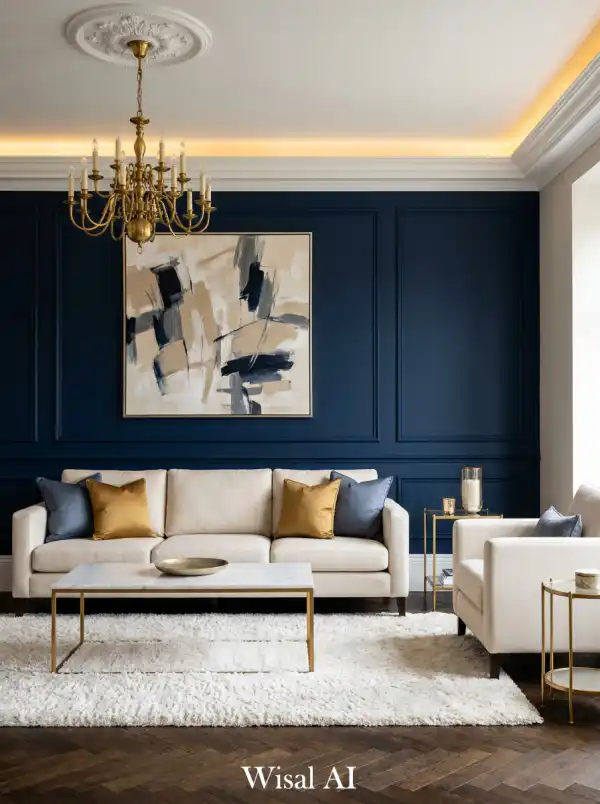
A rug does much more than add softness it helps define the entire furniture layout. One of the most common decorating mistakes is choosing a rug that's too small. Ideally, the front legs of your sofa and chairs should rest on the rug, visually connecting all seating into one unified arrangement. Larger rugs create a more spacious appearance while helping individual furniture pieces feel intentionally grouped together. Professional designers almost always recommend selecting the largest rug that comfortably fits the room. This simple decision makes the living room feel significantly more polished.
6. Balance Large and Small Furniture Pieces
A beautiful living room isn't created by filling it with furniture of the same size. Instead, professional designers balance larger pieces with smaller ones to create visual harmony and improve functionality. For example, a large sectional sofa pairs beautifully with a pair of lightweight accent chairs instead of another oversized sofa. Likewise, a substantial coffee table can be balanced with slimmer side tables that keep the room feeling open. Varying the scale of furniture prevents the space from appearing either too heavy or too empty. It also allows natural sightlines to remain open, making the room feel brighter and more spacious. Think of furniture as a collection rather than a matching set. Mixing different sizes while maintaining a consistent style creates a living room that feels thoughtfully designed instead of overly predictable.
7. Leave Enough Space Between Furniture
Comfort depends as much on empty space as it does on furniture itself. Professional designers avoid pushing furniture too close together or placing pieces so far apart that conversation becomes uncomfortable. Leave enough room to walk easily between seating while keeping coffee tables within comfortable reach. Generous spacing allows people to move naturally without feeling restricted. At the same time, keeping seating close enough together creates a cozy environment where conversations feel effortless. Finding this balance is one of the most important aspects of successful furniture planning. A room with proper spacing always feels calmer and more organized.
8. Use an L-Shaped Layout for Everyday Living
An L-shaped furniture arrangement remains one of the most versatile layouts for modern homes. A sofa combined with one or two accent chairs naturally creates an inviting seating area while leaving the rest of the room open for circulation. This arrangement works especially well in open-concept homes because it defines the living area without requiring physical walls. The L-shape also directs attention toward a focal point such as a fireplace, television, or large window. Its flexibility allows the room to function equally well for entertaining guests, relaxing with family, or enjoying quiet evenings. Professional designers frequently recommend this layout because it adapts easily to rooms of different sizes.
9. Create Symmetry Where Possible
Symmetry instantly makes a living room feel more elegant and balanced. Matching table lamps, identical armchairs, paired side tables, or two sofas facing each other all contribute to visual order. This doesn't mean every object must match exactly. Instead, aim for a balanced arrangement where visual weight feels evenly distributed throughout the room. Even contemporary interiors benefit from subtle symmetry because it introduces a sense of calm without appearing overly formal. Professional designers often use symmetrical layouts as the foundation before adding more casual decorative elements. The result is a room that feels polished yet comfortable.
10. Make Every Seat Functional
Every chair should have a purpose. Avoid placing accent chairs in isolated corners where they're difficult to use. Instead, position every seat close enough to the main conversation area while ensuring each person has convenient access to a side table or coffee table. Reading chairs work best near natural light or floor lamps. Additional seating should feel like a natural extension of the layout rather than an afterthought. Professional designers evaluate how each seat contributes to everyday living before deciding where it belongs. A functional arrangement encourages people to actually use every part of the room.
11. Consider the View From Every Angle
Many homeowners only think about how the living room looks from the main entrance. Professional designers evaluate the room from every important viewpoint. Walk through the room and observe it from the hallway, dining area, kitchen, windows, and seating positions. Furniture should appear balanced from every perspective. Avoid exposing the backs of bulky furniture whenever possible. If the rear of a sofa is visible from another room, place a console table behind it to create a more finished appearance. Considering multiple viewpoints helps the room feel cohesive within the larger home.
12. Keep the Layout Flexible
A great furniture arrangement should adapt to changing needs. Lightweight accent chairs, nesting tables, movable ottomans, and modular seating provide flexibility without sacrificing style. These pieces allow the living room to expand for entertaining guests or become more intimate for everyday relaxation. Professional designers often include multifunctional furniture because it improves both practicality and long-term usability. Flexible layouts are especially valuable in homes where the living room serves multiple purposes. The easier it is to adjust the arrangement, the more useful the room becomes.
13. Avoid Overcrowding the Space
One of the most common decorating mistakes is adding too much furniture. A living room should never feel full simply because there was space available. Instead, select only the furniture you genuinely need. Leaving open floor space allows architectural features, natural light, and beautiful materials to stand out. Professional designers frequently remove unnecessary furniture rather than adding more. A room with fewer, better-chosen pieces almost always feels larger, calmer, and more luxurious. Remember that empty space is an important part of good design.
14. Use Furniture to Define Open Spaces
In open-concept homes, furniture often replaces walls. Position sofas, rugs, consoles, and accent chairs to clearly establish the boundaries of the living room without interrupting movement. A sofa placed with its back toward the dining area naturally separates the two spaces while maintaining openness. Area rugs further reinforce these visual boundaries by grouping furniture together. Professional designers rely heavily on furniture placement to organize open floor plans without sacrificing spaciousness. The result is a home that feels organized while remaining bright and connected.
15. Design Around the Way You Actually Live
The most successful furniture layout isn't necessarily the one featured in magazines—it's the one that supports your everyday lifestyle. Ask yourself how the room is truly used. Do family members gather for movie nights? Do children play on the floor? Do guests visit often? Is reading or conversation more important than television? Professional designers always begin by understanding the homeowner's habits before arranging furniture. When the layout reflects your daily routines, every piece naturally feels like it's exactly where it belongs. That's the secret behind living rooms that remain comfortable, functional, and enjoyable for years.
Conclusion
A thoughtfully planned furniture layout is the foundation of every successful living room. While beautiful sofas, stylish coffee tables, and decorative accessories certainly enhance the space, it's the arrangement of those pieces that determines how comfortable, functional, and inviting the room truly feels. By focusing on traffic flow, balanced proportions, conversation-friendly seating, and flexible layouts, you can create a space that supports everyday life while maintaining a timeless appearance. The best living rooms are designed around people rather than furniture. Every chair should be comfortable to use, every pathway should feel natural, and every piece should contribute to the room without creating unnecessary clutter. Simple adjustments—such as floating furniture away from the walls, selecting the correct rug size, or creating better symmetry—can dramatically improve the room without requiring expensive purchases. Ultimately, great design isn't about following strict decorating rules—it's about creating a living room that works for your lifestyle. Whether your home is large or small, modern or traditional, these 15 furniture layouts provide practical inspiration for building a space that feels welcoming, balanced, and ready for everyday living.
FAQs
1. What is the best furniture layout for a small living room?
An L-shaped arrangement with minimal furniture, a properly sized rug, and clear walkways usually provides the best balance between comfort and openness.
2. Should a sofa always be placed against the wall?
No. Floating the sofa away from the wall often creates a more inviting conversation area and makes the room feel professionally designed.
3. How much space should be left between living room furniture?
Leave enough room for comfortable movement while keeping seating close enough for natural conversation and easy access to tables.
4. What's the biggest furniture layout mistake?
Pushing all furniture against the walls and overcrowding the room with unnecessary pieces are among the most common mistakes.
5. How can I make an open-concept living room feel organized?
Use sofas, area rugs, and furniture groupings to define the living area while maintaining clear circulation between connected spaces.
6. Do matching furniture sets create the best layout?
Not necessarily. Mixing complementary furniture pieces of different sizes often creates a more balanced, personalized, and visually interesting living room.