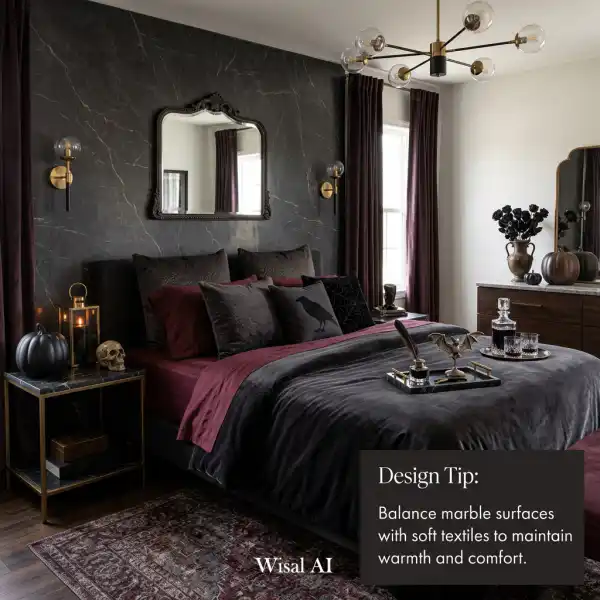
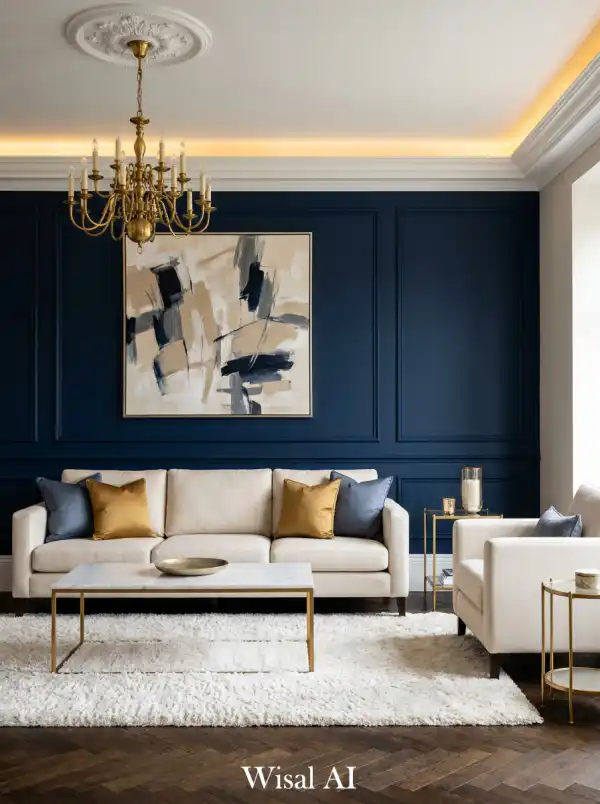
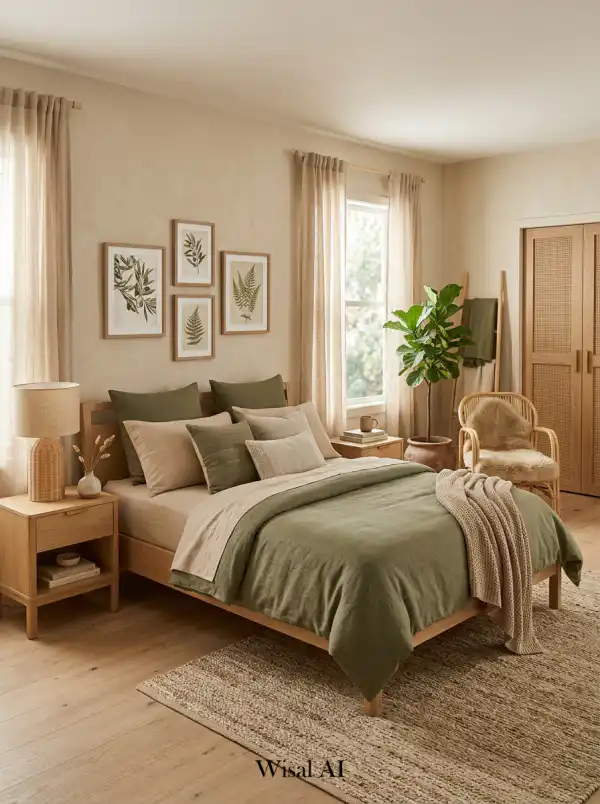
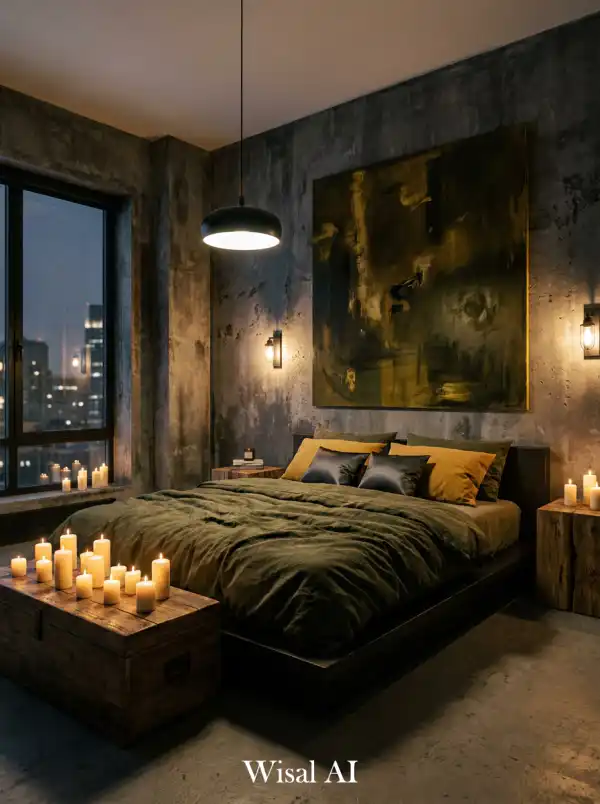
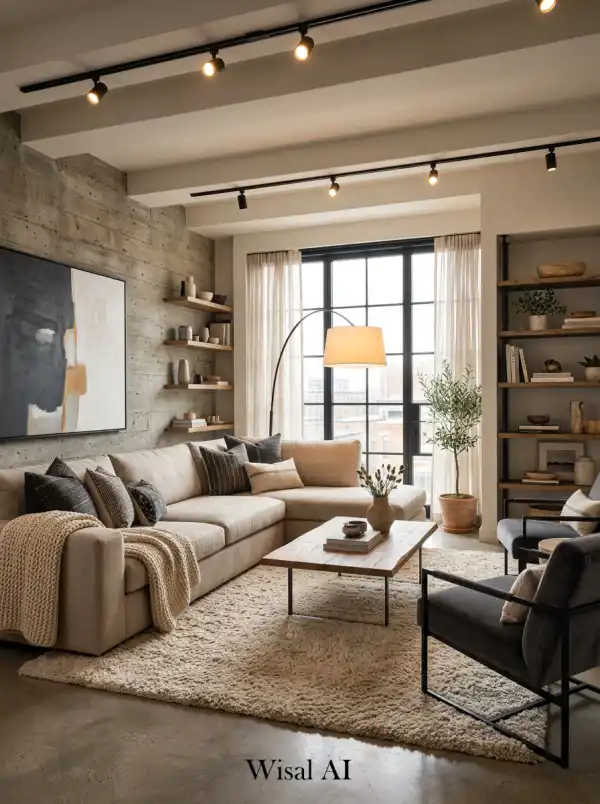
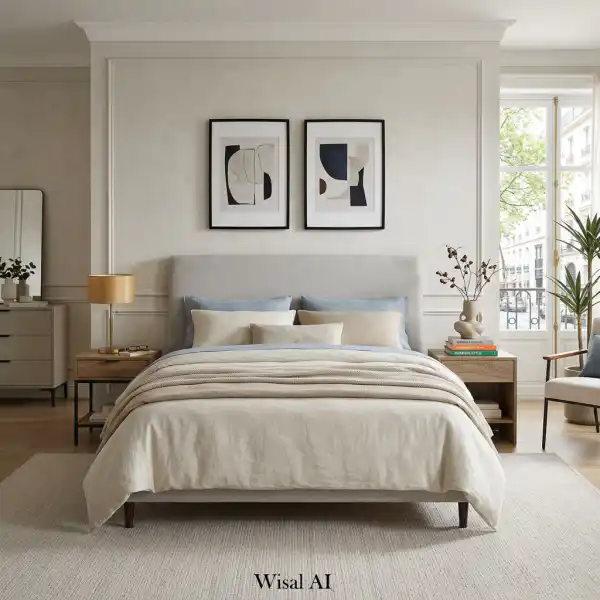
Luxury hotels have a unique way of making every space feel elegant, welcoming, and effortlessly comfortable. The moment you step into a beautifully designed hotel lounge or suite, you notice the balance of refined furniture, layered lighting, rich textures, and carefully selected décor. Every detail feels intentional, creating an atmosphere that is both sophisticated and relaxing. The good news is that you don't need a five-star budget to bring that same experience into your own living room. The secret behind hotel-inspired interiors isn't extravagant decoration or expensive furniture. Instead, professional designers focus on timeless design principles such as balanced layouts, high-quality materials, soft lighting, and carefully curated accessories. Every piece serves a purpose while contributing to a calm and luxurious environment that never feels overcrowded. Unlike many residential living rooms that gradually become filled with unnecessary furniture and decorative items, luxury hotels prioritize openness and comfort. They carefully combine practical functionality with elegant styling, allowing guests to feel relaxed from the moment they enter the room. This same approach works beautifully in homes of every size, whether you're decorating a compact apartment or a spacious open-concept living area. Another defining characteristic of luxury hotel interiors is attention to detail. Plush textiles, natural materials, coordinated color palettes, statement lighting, and thoughtful furniture placement all contribute to an elevated appearance. Even relatively small updates—such as replacing throw pillows, upgrading lighting fixtures, or introducing layered textures—can dramatically change how a living room feels without requiring a complete renovation. Creating a hotel-inspired living room also means designing around experience rather than appearance alone. The space should encourage relaxation, conversation, and everyday comfort while maintaining a clean, polished aesthetic. Every design choice should support both beauty and practicality, resulting in a room that feels inviting throughout every season. In this guide, you'll discover 15 living room design ideas inspired by luxury hotels. These timeless decorating ideas combine elegance, comfort, and functionality to help you create a sophisticated living room that feels refined, welcoming, and effortlessly luxurious.
1. Start with a Calm, Neutral Color Palette
The foundation of almost every luxury hotel living room is a soft, neutral color palette. Professional interior designers often choose warm white, ivory, beige, taupe, greige, soft gray, and muted earth tones because they create a calm and sophisticated atmosphere. These colors also reflect natural light beautifully, making the room feel brighter and more spacious throughout the day. Neutral tones provide incredible flexibility when layering different textures such as linen, velvet, wool, leather, stone, and natural wood. Instead of relying on bold colors to create visual interest, luxury interiors use subtle variations in tone and material. A calming color palette also makes it easier to refresh the room over time by simply changing cushions, artwork, or decorative accessories without replacing larger furniture pieces. Choosing timeless colors ensures that the living room continues looking elegant long after short-lived design trends have faded.
2. Invest in Comfortable, High-Quality Seating
Luxury hotels understand that beautiful furniture must also be exceptionally comfortable. Rather than filling the room with multiple small seating pieces, focus on one well-made sofa supported by a pair of elegant accent chairs. Deep seating, supportive cushions, and quality upholstery immediately create a more luxurious experience. Choose durable fabrics with rich texture, such as linen blends, bouclé, performance fabric, or soft velvet, depending on your lifestyle and interior style. Professional designers pay close attention to proportion, ensuring that furniture feels substantial without overwhelming the room. Comfort should always come first because true luxury is measured by how a space feels—not simply how it looks.
3. Layer Different Lighting Sources
Lighting is one of the biggest differences between an ordinary living room and a luxury hotel lounge. Instead of relying on a single overhead fixture, combine ambient, task, and accent lighting throughout the room. Use ceiling lighting for general illumination, floor lamps beside seating areas, table lamps on consoles and side tables, and subtle accent lighting to highlight artwork or architectural details. Warm white bulbs between 2700K and 3000K create the inviting atmosphere commonly found in high-end hotels. Layered lighting allows you to easily adjust the mood for entertaining guests, reading, or relaxing in the evening.
4. Introduce Rich, Layered Textures
Luxury interiors rarely depend on color alone. Instead, they create visual depth through carefully layered materials and textures. Combine soft linen curtains, velvet cushions, woven rugs, natural wood furniture, ceramic accessories, marble surfaces, leather details, and cozy throws to create a room that feels warm and sophisticated. Each material contributes a different sensory experience while maintaining a cohesive overall design. Professional designers often work with a restrained color palette because texture provides enough richness without making the room feel busy. The result is a living room that feels elegant from every angle.
5. Keep the Layout Open and Balanced
Luxury hotel living rooms always feel spacious because furniture is arranged with intention rather than simply filling available space. Avoid overcrowding the room with unnecessary chairs, side tables, or decorative pieces. Instead, allow generous walkways between furniture while creating comfortable conversation areas around a central coffee table. Professional designers carefully balance visual weight across the room, ensuring that no single area feels too heavy or too empty. An open layout improves circulation, highlights architectural features, and creates the calm atmosphere associated with upscale hospitality spaces. Sometimes removing one unnecessary piece of furniture has a greater impact than adding several new ones.
6. Choose Statement Artwork That Feels Timeless
Walk into almost any luxury hotel, and you'll notice that the artwork immediately catches your attention without overwhelming the space. Rather than filling every wall with multiple small frames, professional designers often select one or two oversized pieces that become elegant focal points. Large-scale abstract art, calming landscape photography, minimalist prints, or textured canvas artwork all contribute to a refined atmosphere. The artwork should complement the room's color palette rather than compete with it. Soft neutrals, earthy tones, muted blues, and gentle greens work particularly well in hotel-inspired interiors because they reinforce a peaceful mood. Proper placement is equally important. Hang artwork at eye level and center it above the sofa or fireplace whenever possible. Balanced proportions help the room feel professionally designed while allowing the artwork to become part of the architecture instead of simply decorating it.
7. Incorporate Elegant Accent Tables
Luxury hotels understand that small furniture pieces often make the biggest difference. Instead of using bulky side tables, choose elegant accent tables with slim metal frames, natural stone tops, warm wood finishes, or sculptural bases. These tables provide convenient surfaces for books, drinks, candles, and decorative objects without visually cluttering the room. Professional designers often mix materials such as marble with wood or glass with brushed brass to create subtle contrast. The goal isn't to match every table perfectly but to create harmony through coordinated finishes and proportions. Beautiful accent tables quietly elevate the entire seating arrangement.
8. Use Large Area Rugs to Define the Space
Area rugs are essential in luxury hotel interiors because they visually connect every furniture piece into one cohesive composition. One of the biggest decorating mistakes is choosing a rug that's too small. Professional designers almost always recommend a rug large enough for at least the front legs of every seating piece to rest on it. A generously sized rug anchors the room while introducing warmth, softness, and acoustic comfort. Natural wool, textured woven fibers, or high-quality performance rugs provide durability while maintaining an elegant appearance. Besides improving comfort, rugs also help define seating areas in open-concept homes.
9. Add Floor-to-Ceiling Curtains
Window treatments have an enormous influence on how luxurious a living room feels. Luxury hotels almost always install curtains close to the ceiling and extend them all the way to the floor, even when the windows themselves are smaller. This simple design trick creates the illusion of taller ceilings and larger windows. Choose soft linen, textured cotton, or high-quality blended fabrics in neutral shades that gently diffuse natural light throughout the day. Avoid curtains that are too short or overly decorative. Simple, full-length drapery immediately makes the room appear more elegant while softening architectural lines.
10. Style the Coffee Table Like a Designer
The coffee table is often the centerpiece of the seating area, making thoughtful styling especially important. Rather than covering the surface with numerous decorative objects, use a carefully edited arrangement. A stack of beautiful coffee table books, a ceramic bowl, a candle, fresh flowers, or a sculptural decorative object usually provides more than enough visual interest. Professional designers often group accessories in odd numbers while varying height and texture. Leaving generous empty space allows each item to stand out while maintaining a clean and sophisticated appearance. Luxury styling is defined by restraint rather than abundance.
11. Introduce Natural Materials
Nature plays an important role in almost every luxury hospitality interior. Wood, stone, linen, leather, ceramic, rattan, woven fibers, and natural textiles introduce warmth while balancing modern furniture. These materials age beautifully and continue looking elegant for many years. A wooden coffee table, marble side table, ceramic vase, woven basket, or linen cushions all contribute subtle texture without overwhelming the room. Professional designers often combine several natural materials to create layered depth while maintaining a calm atmosphere. Organic finishes help the living room feel both luxurious and welcoming.
12. Keep Decorative Accessories Minimal
One characteristic shared by nearly every luxury hotel is intentional simplicity. Instead of displaying dozens of decorative objects, designers carefully select a handful of meaningful accessories. Large vases, sculptural objects, candles, books, greenery, and handcrafted ceramics often replace smaller decorative collections. This restrained approach allows each item to receive attention while preventing visual clutter. Professional designers frequently remove unnecessary accessories during the final styling process. The result is a room that feels curated rather than crowded. Remember that luxury often comes from what you choose to leave out.
13. Add Soft Ambient Lighting in the Evening
Hotel living rooms feel particularly inviting after sunset because they rarely rely on bright overhead lighting alone. Instead, multiple lamps create soft pools of warm illumination throughout the room. Place table lamps on consoles, floor lamps beside reading chairs, and accent lighting near artwork or shelving. Warm lighting softens furniture, highlights textures, and creates a relaxing environment for conversation or quiet evenings. Using dimmers whenever possible provides even greater flexibility. Professional designers carefully control evening lighting because atmosphere changes dramatically after daylight disappears.
14. Include Fresh Greenery
Fresh greenery immediately brings life into a luxury-inspired living room. Whether it's a large indoor tree, fresh flowers on the coffee table, or smaller plants placed on shelves, natural elements soften furniture while adding subtle color. Olive trees, fiddle-leaf figs, rubber plants, snake plants, and peace lilies are particularly popular because they complement neutral interiors beautifully. Professional designers often use plants to fill empty corners while improving visual balance. Besides enhancing appearance, greenery helps create a healthier and more relaxing environment. Even one well-placed plant can completely change the feeling of a room.
15. Focus on Comfort Above Everything Else
The greatest lesson luxury hotels teach isn't about expensive furniture—it's about creating spaces where people genuinely enjoy spending time. Every design decision should improve comfort. Choose seating that supports long conversations. Select soft textiles that invite relaxation. Maintain clear walkways that encourage effortless movement. Keep surfaces organized and uncluttered. Layer lighting that adapts throughout the day. When beauty and functionality work together, the room naturally feels luxurious without appearing forced. Professional designers understand that true luxury is experienced rather than displayed. A living room designed around comfort will remain timeless regardless of changing decorating trends.
Conclusion
Creating a living room inspired by luxury hotels isn't about copying a particular style or filling the space with expensive furniture. Instead, it's about embracing thoughtful design principles that prioritize comfort, balance, and timeless elegance. Neutral color palettes, layered lighting, high-quality materials, generous layouts, and carefully selected décor all contribute to an atmosphere that feels welcoming from the moment you enter the room. Many of the most effective upgrades require surprisingly little investment. Rearranging furniture, replacing curtains, introducing natural textures, simplifying decorative accessories, or improving lighting can dramatically transform the appearance and functionality of your living room. These small changes work together to create a polished environment that feels both luxurious and practical for everyday living. Ultimately, the most memorable hotel interiors succeed because they focus on how people feel rather than simply how a room looks. By applying these 15 designer-inspired ideas, you can create a living room that offers the same sense of relaxation, sophistication, and effortless comfort—making every day at home feel a little more like a luxury getaway.
FAQs
1. What colors create a luxury hotel-style living room?
Warm neutrals such as ivory, beige, taupe, greige, soft gray, and muted earth tones create a timeless and sophisticated atmosphere.
2. How can I make my living room look luxurious on a budget?
Upgrade lighting, use full-length curtains, simplify décor, add layered textures, choose larger rugs, and incorporate natural materials for a high-end look without major renovations.
3. What type of lighting do luxury hotels use?
Luxury hotels typically combine ambient, task, and accent lighting with warm white bulbs to create a soft, welcoming atmosphere.
4. Are large rugs better for living rooms?
Yes. Larger rugs visually connect furniture, make the room feel more spacious, and create a cohesive seating arrangement.
5. Why do luxury hotel living rooms feel so relaxing?
They prioritize comfort through balanced layouts, soft lighting, uncluttered spaces, quality materials, and calming color palettes.
6. What's the biggest decorating mistake to avoid?
Overcrowding the room with unnecessary furniture and decorative accessories. Luxury interiors feel elegant because they emphasize quality, balance, and simplicity over quantity.