The moment someone walks into your home, they begin forming impressions long before they notice individual pieces of furniture or decorative accessories. Within seconds, guests naturally pick up on the atmosphere of the space whether it feels bright or dark, welcoming or cold, organized or cluttered. Surprisingly, these first impressions are rarely shaped by expensive furniture or luxury finishes alone. Instead, they come from dozens of carefully considered design details working together. Professional interior designers understand that memorable homes are built around consistency, balance, and thoughtful styling. Every room feels connected through a cohesive color palette, layered lighting, quality materials, and intentional décor. Even the smallest details such as fresh greenery, well-chosen artwork, beautifully styled shelves, or perfectly placed lighting can dramatically influence how guests experience your home. Many homeowners assume creating a beautiful interior requires major renovations or a large decorating budget. In reality, the opposite is often true. Some of the most effective improvements involve refining the details that people notice every day. Replacing outdated hardware, decluttering surfaces, choosing better lighting, or introducing natural textures can instantly elevate the appearance of your home without changing its overall layout. The goal isn't to impress guests with expensive design trends. It's to create a home that feels comfortable, elegant, and thoughtfully curated. When every detail has a purpose, visitors naturally feel more relaxed, welcome, and inspired by the space around them. In this guide, you'll discover 15 home design details that guests always notice. These timeless ideas will help you create a home that feels polished, inviting, and professionally designed leaving a lasting impression long after your guests leave.
1. A Bright and Welcoming Entryway
The entryway creates the first impression of your entire home. Within moments of stepping through the front door, guests begin forming opinions about the atmosphere they'll experience throughout the rest of the house. A well-designed entrance should feel open, organized, and inviting. Good lighting, a clean floor, a stylish console table, a decorative mirror, fresh flowers, or a beautiful table lamp immediately establish a warm welcome. Avoid allowing shoes, bags, or miscellaneous items to accumulate near the entrance. Even a small entryway benefits from thoughtful organization through baskets, concealed storage, or slim cabinets. Adding artwork or a simple decorative bowl for keys introduces personality without creating clutter. Professional designers treat the entryway as an introduction to the home's overall style. When the entrance feels polished, guests naturally expect the same level of care throughout every room.
2. A Cohesive Color Palette
One of the first things guests notice often without realizing it is whether the colors throughout the home feel connected. Luxury interiors rarely use a completely different palette in every room. Instead, they repeat complementary shades across walls, furniture, textiles, artwork, and decorative accessories. Warm whites, soft beige, greige, muted greens, natural wood tones, and gentle grays create a calm foundation that flows effortlessly from one space to another. Accent colors should appear intentionally rather than randomly. Repeating the same shades in cushions, rugs, curtains, ceramics, or artwork creates visual continuity that makes the entire home feel professionally designed. A cohesive color palette helps every room feel larger, calmer, and more harmonious.
3. Clean and Organized Surfaces
Guests immediately notice whether surfaces feel calm or cluttered. Kitchen countertops covered with small appliances, coffee tables overflowing with decorations, or bathroom counters filled with products create a sense of visual chaos. Professional designers intentionally leave empty space around decorative objects. Instead of displaying everything, choose a few meaningful accessories such as candles, ceramic vases, books, plants, or trays while storing everyday items out of sight. Organization doesn't remove personality it allows beautiful objects to stand out. Clean surfaces make every room appear brighter, larger, and significantly more luxurious.
4. Comfortable and Inviting Seating
People naturally pay attention to where they'll sit. Beautiful furniture may attract attention, but comfortable seating creates lasting impressions. Choose sofas and chairs that feel supportive while appearing visually soft through cushions, throws, and textured fabrics. Arrange seating to encourage conversation rather than pointing every chair toward a television. Leaving comfortable walking space between furniture also improves both appearance and functionality. Guests remember homes where they immediately felt relaxed and comfortable.
5. Thoughtful Lighting Throughout the Home
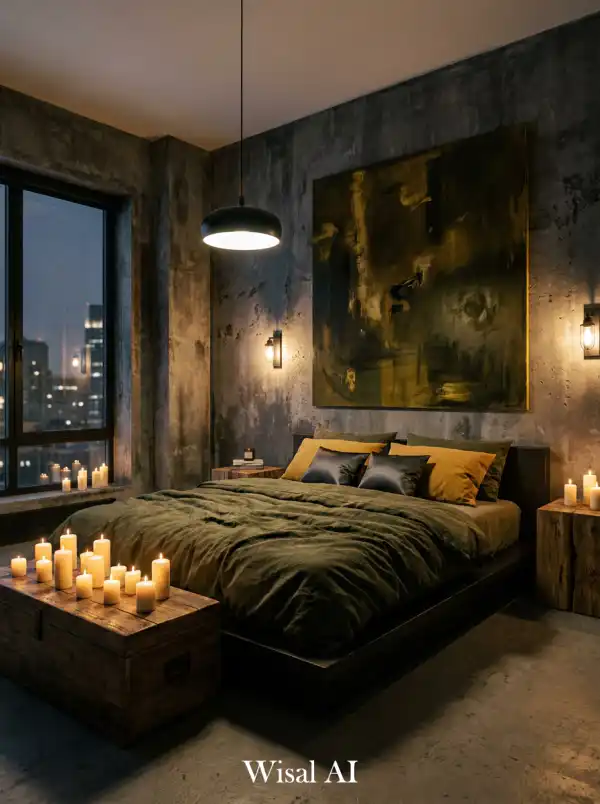
Lighting influences mood more than almost any other design element. A single overhead light often creates harsh shadows and a flat atmosphere. Professional interiors combine multiple layers of lighting including ceiling fixtures, table lamps, floor lamps, wall sconces, and accent lighting. Warm white bulbs between 2700K and 3000K create a welcoming glow that flatters both people and interiors. Different lighting levels allow each room to adapt naturally throughout the day. Guests consistently notice homes that feel warm and comfortable because of carefully layered lighting rather than excessive brightness.
6. Fresh Greenery and Natural Elements
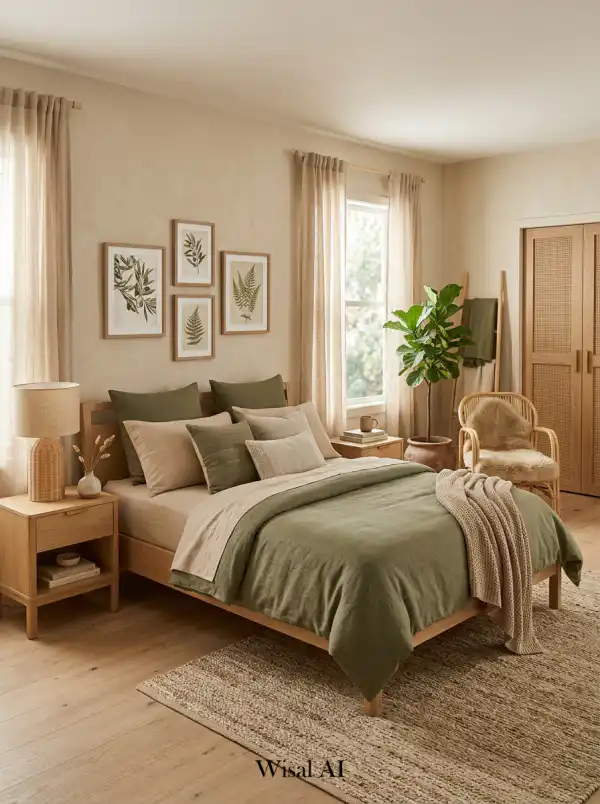
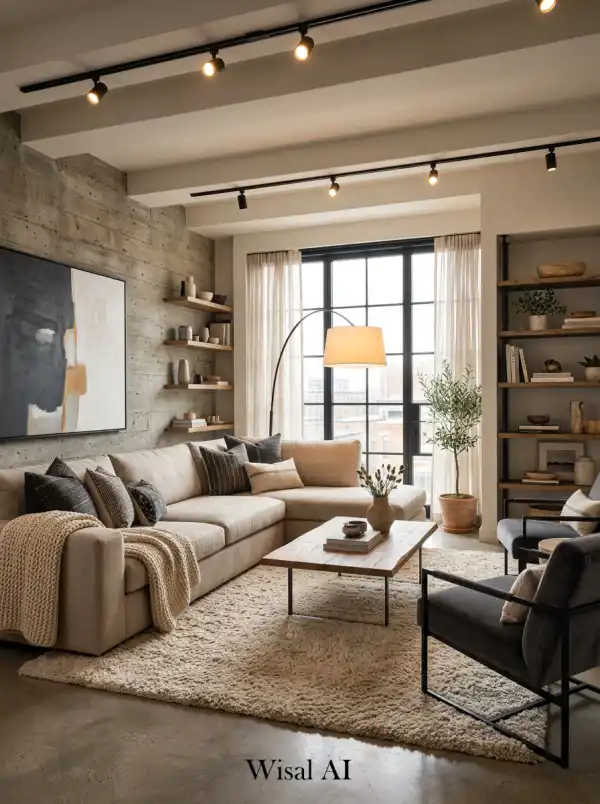
One of the easiest ways to make a home feel more inviting is by incorporating nature into the design. Guests may not consciously analyze why a room feels fresh and relaxing, but natural elements often play a major role in creating that impression. Large indoor plants instantly soften sharp architectural lines while adding movement, texture, and life. Even a single olive tree in the corner of a living room or a collection of herbs in the kitchen can dramatically improve the atmosphere. Beyond plants, designers frequently introduce natural materials such as oak, walnut, stone, linen, cotton, jute, rattan, and woven baskets. These materials create warmth and visual richness while balancing modern finishes like glass, metal, and concrete. Natural textures also reflect changing daylight beautifully throughout the day, making rooms feel more dynamic and comfortable. Guests often remember homes that feel connected to nature because they naturally appear healthier, calmer, and more welcoming.
7. Beautifully Styled Coffee Tables
The coffee table often sits at the center of the living room, making it one of the first decorative surfaces guests notice. Rather than filling it with random objects, professional designers create carefully balanced arrangements using a limited number of accessories. A stack of beautiful design books, a ceramic vase with fresh flowers, scented candles, decorative bowls, sculptural objects, or a wooden tray creates visual interest without making the table feel crowded. Grouping accessories in odd numbers often produces a more natural composition. Leaving empty space around decorative objects is equally important because it allows each piece to stand out. A thoughtfully styled coffee table immediately communicates attention to detail.
8. Artwork That Feels Intentional
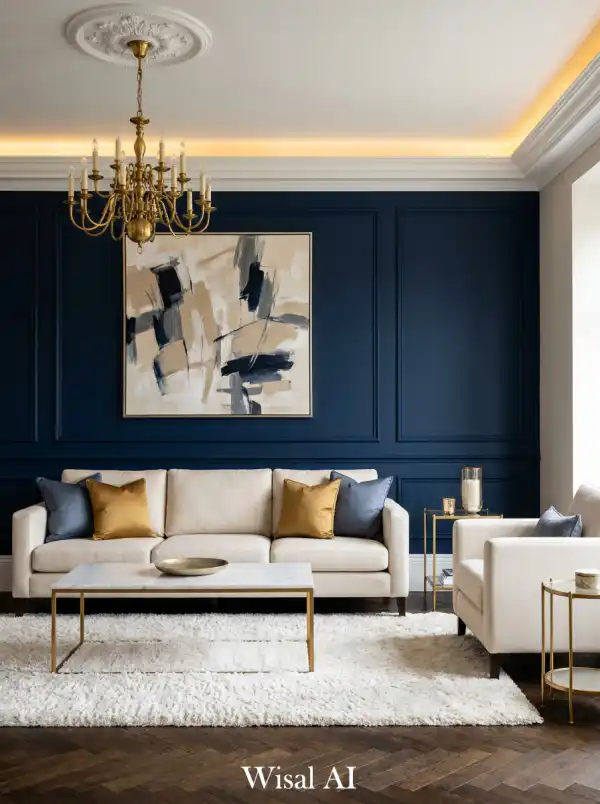
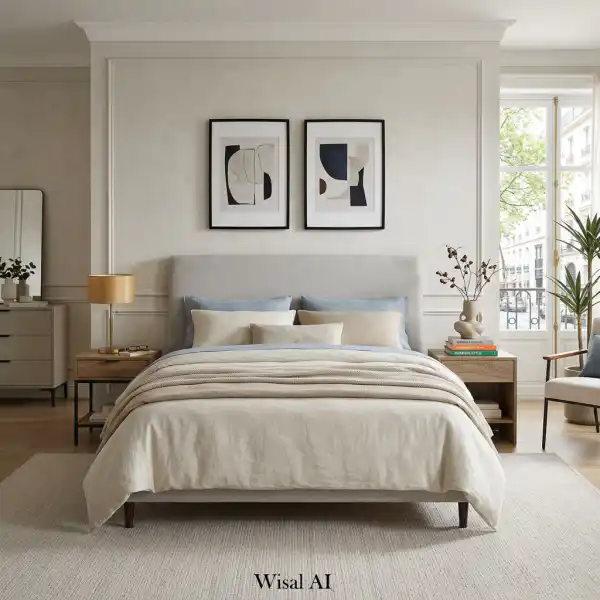
Artwork gives a home personality and often becomes a conversation starter. However, guests quickly notice when artwork feels too small, poorly positioned, or disconnected from the overall design. Instead of filling every wall with small frames, choose larger statement pieces that complement the room's color palette and proportions. Hang artwork at eye level whenever possible and center it above furniture rather than placing it too high. Abstract paintings, landscape photography, black-and-white prints, and textured canvas art remain timeless choices because they complement a wide range of interior styles. Well-chosen artwork makes every room feel more complete and professionally curated.
9. Pleasant Home Fragrance
A beautiful home isn't experienced only through sight. One of the strongest memories guests take away is how a home smells. Fresh air, subtle scented candles, essential oil diffusers, fresh flowers, and naturally fragrant plants create a pleasant atmosphere without becoming overwhelming. Popular designer fragrances often include sandalwood, cedar, linen, bergamot, eucalyptus, lavender, vanilla, or soft citrus notes. Avoid using several competing scents throughout the home. A consistent fragrance creates a subtle signature that guests unconsciously associate with comfort and cleanliness. Many luxury hotels intentionally use signature scents because smell creates lasting emotional memories.
10. Well-Chosen Window Treatments
Windows naturally attract attention because they frame outdoor views and influence how light enters a room. Heavy curtains that block daylight or curtains hung too low can make ceilings appear shorter. Professional designers often install curtain rods close to the ceiling and extend them beyond the edges of the windows. This technique allows curtains to frame the window instead of covering it, making both the windows and ceilings appear larger. Linen, cotton, and softly textured fabrics create an elegant appearance while filtering natural light beautifully. Well-designed window treatments make rooms feel brighter, taller, and considerably more refined.
11. High-Quality Layered Textures
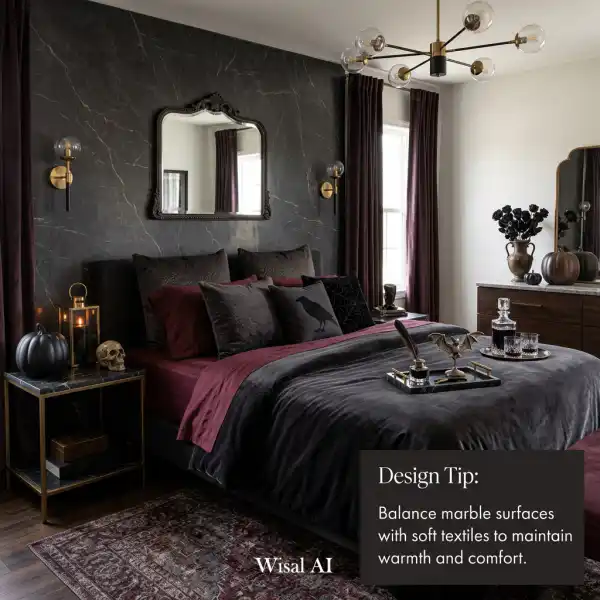
Luxury interiors rarely rely on color alone. Instead, designers build richness by layering textures throughout the home. Soft linen curtains, boucle chairs, wool rugs, velvet cushions, natural wood furniture, woven baskets, ceramic vases, and stone surfaces all contribute different tactile experiences. Even when the color palette remains neutral, these contrasting textures prevent rooms from feeling flat. Guests often describe these homes as feeling "comfortable" or "expensive" without realizing texture is the reason. Layering materials creates depth that photographs beautifully while making everyday living more enjoyable.
12. Clean Lines and Thoughtful Organization
No matter how beautiful the furniture may be, clutter quickly becomes the first thing guests notice. Visible charging cables, paperwork, shoes, children's toys, or kitchen appliances distract from the overall design. Professional designers prioritize organization before decorating. Built-in storage, baskets, decorative boxes, hidden cabinets, and drawer organizers allow everyday items to disappear while maintaining functionality. Keeping surfaces clean doesn't make a home feel empty it allows architectural details, beautiful furniture, and decorative accessories to become the focus. An organized home instantly communicates calmness and attention to detail.
13. Consistent Hardware and Finishes
Small details often create the strongest impression. Cabinet handles, faucets, lighting fixtures, door hardware, towel bars, and furniture legs should feel coordinated rather than randomly selected. Professional interiors typically repeat one or two metal finishes throughout the home. Brushed brass introduces warmth, matte black creates contrast, satin nickel offers timeless elegance, while bronze adds classic sophistication. Repeating finishes creates visual continuity that subconsciously tells guests the home was thoughtfully planned. These subtle details elevate the overall design far more than many expensive decorative purchases.
14. Balanced Room Layouts
Guests instinctively notice whether a room feels easy to move through. Furniture placed too close together, blocked walkways, or awkward layouts make even beautiful rooms feel uncomfortable. Professional designers create layouts that encourage natural movement while supporting conversation and everyday living. Leave generous walking paths between furniture and avoid placing oversized pieces where they interrupt circulation. Symmetry also contributes to balance. Matching lamps, evenly spaced chairs, or centered artwork all create a sense of order that feels naturally pleasing. Balanced layouts make homes feel larger, calmer, and more welcoming.
15. Finishing Touches That Feel Personal
The most memorable homes always reflect the personalities of the people who live there. Rather than copying a showroom exactly, professional designers introduce meaningful details that tell a story. Travel souvenirs displayed thoughtfully, family photographs in elegant frames, handmade pottery, favorite books, vintage finds, or meaningful artwork all create authenticity. The goal isn't to fill every shelf but to carefully curate objects that have emotional value. These personal touches make guests feel connected to the space while preventing the home from feeling generic. True luxury isn't perfection it's creating a home that feels both beautiful and genuinely lived in.
Conclusion
Guests rarely remember the cost of your furniture or whether your home features the latest design trends. Instead, they remember how your home made them feel. A bright entryway, comfortable seating, layered lighting, fresh greenery, clean surfaces, and thoughtful personal details all work together to create an atmosphere that feels warm, elegant, and inviting. These subtle design choices often leave a stronger impression than expensive renovations because they shape the overall experience of the space. Creating a memorable home is also about consistency. Repeating colors, coordinating finishes, balancing furniture layouts, and maintaining organized surfaces help every room feel connected. Layering natural textures, introducing quality materials, and allowing plenty of natural light further enhance the sense of comfort and sophistication. When every detail feels intentional, guests naturally perceive the home as professionally designed. Ultimately, the most beautiful homes are those that balance style with personality. They are organized without feeling sterile, luxurious without feeling excessive, and elegant while remaining comfortable enough for everyday life. By focusing on these 15 home design details, you can create an interior that not only impresses your guests but also becomes a place where you truly enjoy spending time every single day.
FAQs
1. What do guests notice first when entering a home?
Most guests immediately notice the entryway, lighting, cleanliness, overall organization, and the atmosphere created by the home's color palette and furnishings.
2. How can I make my home look more welcoming?
Use warm layered lighting, keep surfaces organized, add fresh greenery, incorporate soft textiles, and create comfortable seating areas.
3. Do small decorating details really make a difference?
Yes. Elements like cabinet hardware, decorative accessories, window treatments, artwork, and lighting significantly influence how polished and luxurious a home feels.
4. What's the biggest design mistake guests notice?
Clutter is one of the first things people notice. Overcrowded surfaces and poor organization can make even beautifully decorated homes feel less inviting.
5. How do professional designers make homes feel cohesive?
They repeat colors, materials, textures, and finishes throughout the home while maintaining balanced layouts and consistent styling.
6. Can I create a designer-looking home without spending a lot of money?
Absolutely. Focusing on organization, lighting, greenery, thoughtful accessories, quality textiles, and cohesive design choices can dramatically elevate your home without requiring a large budget.