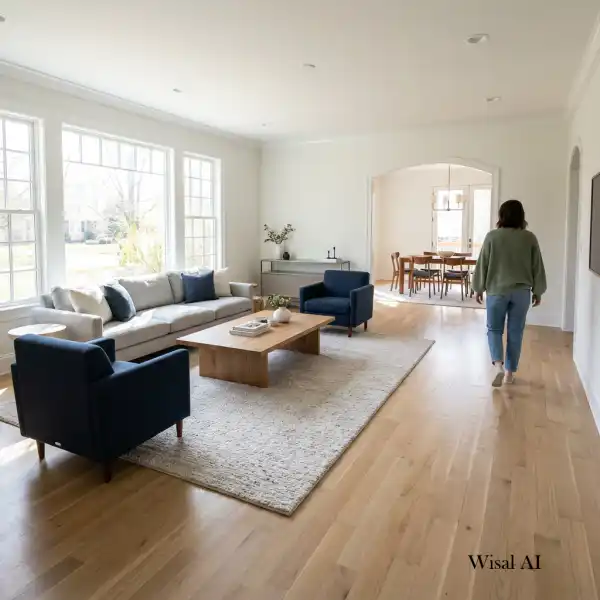
A living room doesn't need to be large to feel spacious. In fact, many of the most beautiful interiors achieve an open, airy atmosphere through smart design choices rather than extra square footage. The way you arrange furniture, select colors, maximize natural light, and organize décor can dramatically change how a room feels without removing a single wall. Whether you're decorating a compact apartment, a cozy family room, or a narrow living area, creating the illusion of more space is completely possible. Professional interior designers rely on a combination of visual tricks, balanced layouts, layered lighting, and carefully selected materials to make even modest living rooms appear bright, welcoming, and surprisingly spacious. The goal isn't simply to make a room look larger it's to make it feel more comfortable and enjoyable to spend time in. An open living room encourages conversation, improves movement throughout the home, and creates a relaxing environment where every piece of furniture has a purpose. In this guide, you'll learn how to design a living room that feels bigger and brighter using practical interior design techniques that are easy to apply in almost any home. From choosing the right furniture and color palette to maximizing natural light and minimizing visual clutter, these ideas will help transform your living room into a space that feels open, elegant, and inviting.
1. Start with a Light and Cohesive Color Palette
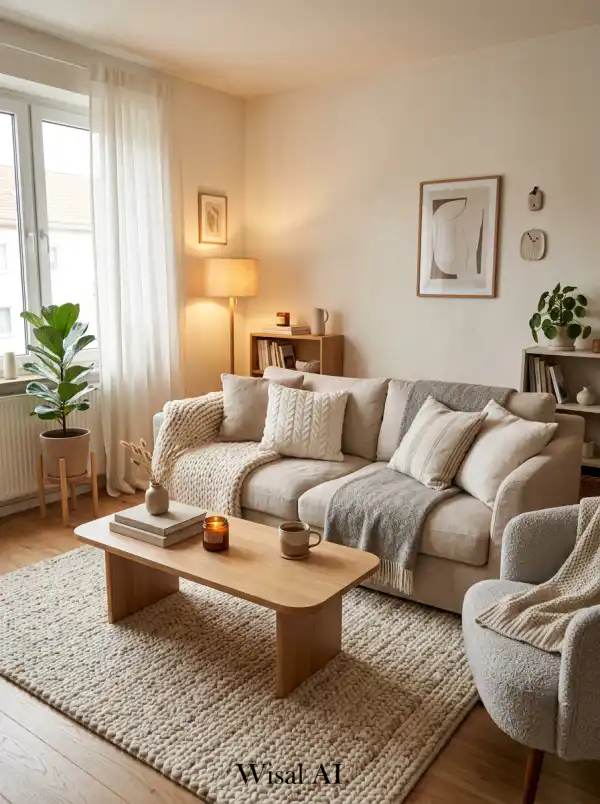
The colors you choose have one of the greatest influences on how spacious your living room feels. Light shades naturally reflect more daylight, making walls appear farther apart while creating an airy and welcoming atmosphere. Soft whites, warm ivory, light beige, greige, pale gray, and muted sand tones are timeless choices that brighten a room without feeling cold. These neutral colors also create a calm backdrop that allows furniture, artwork, and decorative accents to stand out naturally. To make the room feel even larger, use a consistent color palette throughout the walls, upholstery, curtains, and large furniture pieces. Limiting strong contrasts allows the eye to travel smoothly across the space, creating visual continuity. If you'd like to add personality, introduce deeper colors through small accessories such as throw pillows, artwork, or decorative objects instead of painting entire walls dark. A bright, cohesive palette immediately creates the impression of a larger and more elegant living room.
2. Choose Furniture That Matches the Size of the Room
One of the most common decorating mistakes is selecting furniture that's too large for the available space. An oversized sectional or bulky coffee table can quickly overwhelm even a moderately sized living room. Instead, choose furniture with clean lines and proportions that fit comfortably within the room. Sofas with slim arms, raised legs, and lower profiles often appear lighter than oversized traditional pieces. Glass coffee tables, open shelving, and furniture with visible legs also help maintain an open feeling because they allow more of the floor to remain visible. Rather than filling every corner, leave comfortable walking space between furniture pieces. This improves circulation while making the room feel significantly larger. The right furniture doesn't simply fit inside the room it allows the room to breathe.
3. Maximize Natural Light Whenever Possible
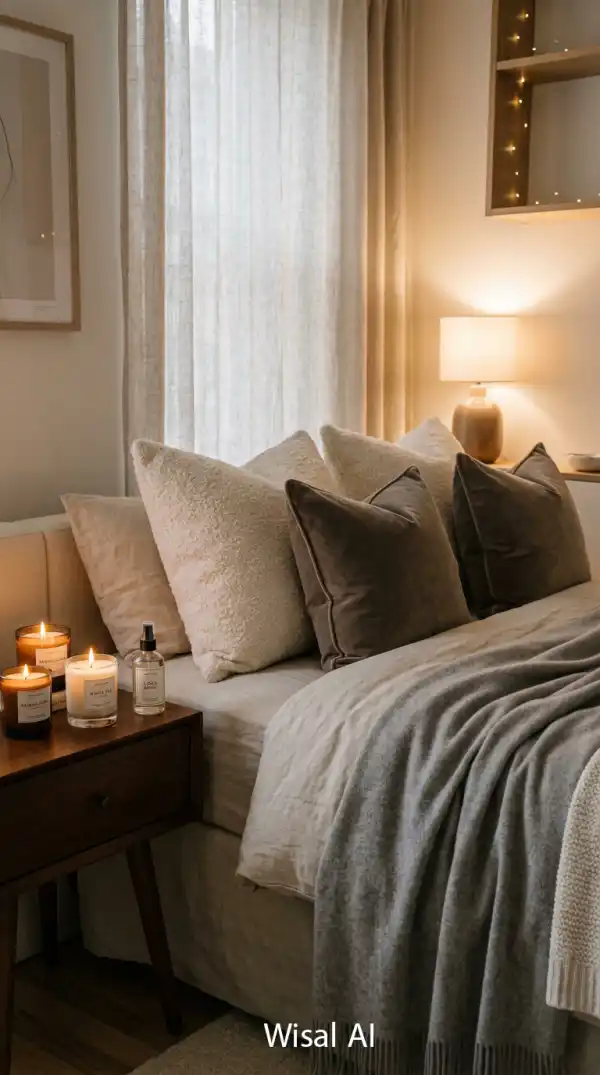
Natural light is one of the most valuable design elements in any living room. Bright interiors automatically feel more spacious, fresh, and inviting. Avoid blocking windows with oversized furniture, heavy cabinets, or dark curtains. Instead, allow sunlight to spread freely throughout the room. Choose lightweight linen curtains or sheer panels that soften daylight without preventing it from entering. If privacy is required, layer blackout curtains behind the sheers so you can adjust the amount of light throughout the day. Position mirrors opposite windows whenever possible to reflect sunlight deeper into the room. The more natural light your living room receives, the larger and more welcoming it will appear.
4. Arrange Furniture to Improve Flow
A beautiful living room should feel easy to move through. Crowded furniture arrangements interrupt circulation and make spaces feel much smaller than they actually are. Instead of pushing every piece against the walls, arrange furniture around a central conversation area. Keep clear pathways between seating and entrances so movement feels natural. Leave enough space between the coffee table and sofa for comfortable walking, and avoid blocking major traffic routes. Even in smaller rooms, thoughtful furniture placement creates a sense of openness that no amount of decoration can replace. A well-planned layout makes the room feel organized, functional, and visually balanced.
5. Use Mirrors to Add Brightness and Visual Depth
Mirrors have been used in interior design for generations because they create the illusion of additional space. A large mirror placed opposite a window reflects daylight across the room while visually doubling the surrounding space. Oversized mirrors with simple frames work especially well in modern interiors, while grouped mirrors can add decorative interest without making the room feel crowded. Mirrored furniture and glass accessories can also contribute to a lighter appearance by reflecting both natural and artificial light. When used strategically, mirrors become one of the easiest ways to make a living room feel brighter and significantly larger.
6. Keep the Living Room Free of Visual Clutter
No matter how large a living room is, clutter can instantly make it feel smaller, darker, and less inviting. One of the easiest ways to create the illusion of more space is by simplifying what you see every day. Start by removing unnecessary decorative items from tables, shelves, and cabinets. Instead of displaying dozens of small accessories, choose a few larger statement pieces that complement your overall design. A sculptural vase, a beautiful coffee table book, or a single ceramic bowl often has far more impact than multiple unrelated objects. Storage is equally important. Hidden storage inside media consoles, ottomans, and sideboards keeps everyday items out of sight while maintaining a clean appearance. Baskets and decorative boxes are also excellent solutions for organizing blankets, remote controls, magazines, and children's toys. Remember that empty space is part of good design. Allowing furniture and décor to breathe creates a calm atmosphere that immediately makes the room feel larger and more luxurious.
7. Hang Curtains Higher to Make the Ceiling Feel Taller
Window treatments have a remarkable influence on the proportions of a room. Instead of hanging curtain rods directly above the window frame, install them several inches below the ceiling. This simple adjustment draws the eye upward, creating the illusion of greater ceiling height. Choose curtains that extend all the way to the floor, even if the windows are much shorter. Long curtains emphasize vertical space and make walls appear taller. Light-colored linen or sheer fabrics allow sunlight to enter while maintaining softness throughout the room. For additional privacy, combine sheer curtains with neutral blackout panels. This professional design trick costs very little but creates one of the biggest visual improvements in almost any living room.
8. Select Furniture with Exposed Legs
Furniture that sits directly on the floor often appears visually heavy. Instead, choose sofas, armchairs, consoles, and cabinets with raised legs that expose more of the flooring beneath. Visible floor space helps the eye travel farther across the room, creating the impression of additional square footage. Scandinavian, Japandi, Modern, and Mid-Century furniture styles frequently use slim wooden or metal legs for this exact reason. This simple detail makes furniture appear lighter while giving the entire room a more open and elegant feeling.
9. Layer Different Types of Lighting
Relying on a single ceiling light often creates dark corners that make a room feel smaller. Professional designers instead use multiple layers of lighting to create depth and warmth. Combine ceiling lighting with floor lamps, table lamps, wall sconces, and subtle accent lighting inside shelves or cabinets. Warm white bulbs between 2700K and 3000K create a cozy atmosphere that feels both comfortable and luxurious. Lighting different areas of the room also helps define separate zones while making the entire living room appear brighter during both day and evening.
10. Choose Multi-Functional Furniture
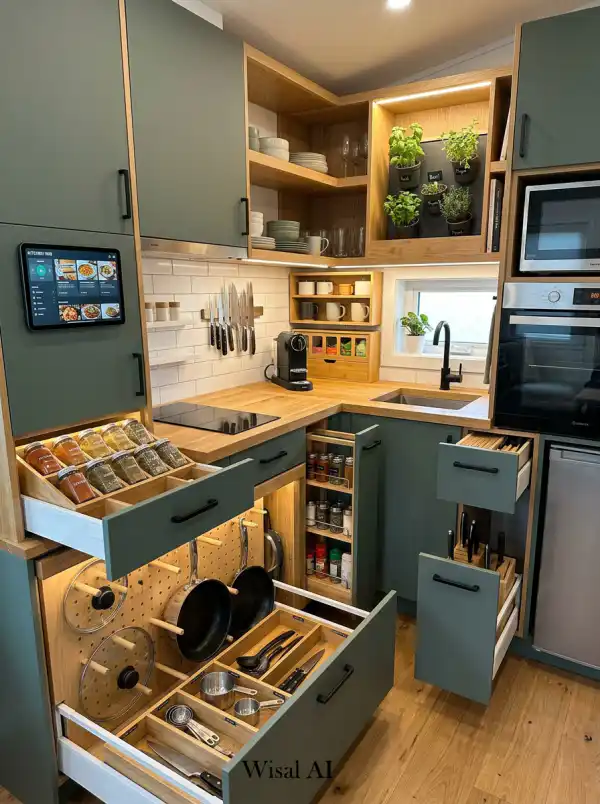
Every piece of furniture should work as efficiently as possible. Storage ottomans provide extra seating while hiding blankets and pillows. Nesting coffee tables can be expanded when guests arrive and tucked away afterward. Console tables with drawers help organize everyday essentials, while modular sofas offer flexibility for different room layouts. In smaller homes, furniture that performs multiple functions reduces clutter while maximizing usable space. The fewer unnecessary pieces you need, the larger your living room will naturally feel.
11. Add Vertical Design Elements
Drawing attention upward makes any room appear taller. Tall bookshelves, floor-to-ceiling wall paneling, oversized artwork, elongated mirrors, and vertical slat walls all emphasize height rather than width. Indoor plants with upward growth also contribute to this effect while adding freshness and natural beauty. Avoid breaking the walls into multiple small decorative sections. Instead, allow larger vertical features to become the room's focal points. Vertical design naturally encourages the eye to travel upward, expanding the room visually.
12. Keep Flooring Consistent Throughout the Space
Changing flooring materials between connected rooms can make each individual space feel smaller. Whenever possible, continue the same flooring from the living room into adjacent areas. This uninterrupted surface creates visual continuity that helps the entire home feel larger. If rugs are used, choose appropriately sized ones that anchor the seating arrangement rather than floating awkwardly beneath only the coffee table. A large area rug often makes a room appear bigger than a rug that's too small. Consistency across flooring, rugs, and color tones creates harmony while minimizing visual interruptions.
13. Decorate with Larger Statement Pieces Instead of Many Small Ones
Many homeowners believe filling empty walls with numerous decorations makes a room feel complete. In reality, too many small accessories often create visual noise. Instead, choose one oversized artwork, one large mirror, or one dramatic floor lamp to become the focal point. Large decorative elements simplify the design while creating greater visual impact. Luxury interiors almost always emphasize fewer but higher-quality decorative pieces rather than overcrowding every available surface.
14. Introduce Reflective Materials Carefully
Reflective finishes naturally increase brightness by bouncing light around the room. Glass coffee tables, polished stone surfaces, metallic accents, mirrors, and glossy ceramics all contribute to a lighter appearance. The key is moderation. A few reflective materials create elegance without making the room feel cold or overly shiny. Brushed brass lighting fixtures, glass vases, marble tabletops, and subtle metallic décor blend beautifully with neutral interiors. These materials help maximize both natural and artificial light throughout the space.
15. Maintain Balance in Every Part of the Room
The final step is ensuring every area of the living room feels balanced. Avoid placing all heavy furniture on one side while leaving the opposite side empty. Distribute visual weight evenly using furniture, artwork, lighting, and decorative accessories. Step back and observe the room from different angles. Does your eye naturally move throughout the space? Is there enough breathing room between furniture pieces? Does every item contribute to the overall design? Balanced interiors always feel calmer, more spacious, and professionally designed. Rather than constantly adding new furniture, focus on refining the arrangement until the room feels effortless and harmonious.
Conclusion
Designing a living room that feels bigger and brighter isn't about increasing square footage—it's about making thoughtful design decisions that maximize the space you already have. Light color palettes, properly scaled furniture, layered lighting, strategic mirror placement, and clutter-free surfaces all work together to create an open, welcoming atmosphere. Simple upgrades like hanging curtains closer to the ceiling, choosing furniture with exposed legs, keeping flooring consistent, and allowing natural light to flow freely can dramatically change how your living room feels. Even replacing several small decorative items with one larger statement piece often makes the room appear more sophisticated and spacious. The most beautiful living rooms are not necessarily the largest. They're the ones where every piece has a purpose, every layout encourages comfort, and every design decision contributes to a sense of openness and balance. By applying these professional interior design techniques, you can transform any living room into a brighter, more elegant space that feels far larger than its actual dimensions.
FAQs
1. How can I make my living room look bigger without renovating?
Use light colors, maximize natural light, reduce clutter, add mirrors, and choose furniture that fits the room's proportions.
2. What colors make a living room feel larger?
White, ivory, beige, greige, light gray, and other soft neutral shades reflect more light and create an open feeling.
3. Do mirrors really make a living room look bigger?
Yes. Mirrors reflect both light and surrounding views, making the room appear brighter and visually deeper.
4. What type of furniture works best in a small living room?
Slim-profile furniture with exposed legs, multifunctional pieces, and clean modern lines helps maximize visual space.
5. Should curtains touch the floor in a living room?
Yes. Floor-length curtains installed close to the ceiling make windows appear taller and create a more spacious look.
6. How can I brighten a dark living room naturally?
Keep windows unobstructed, use sheer curtains, add mirrors, choose light-colored walls, and incorporate reflective materials.