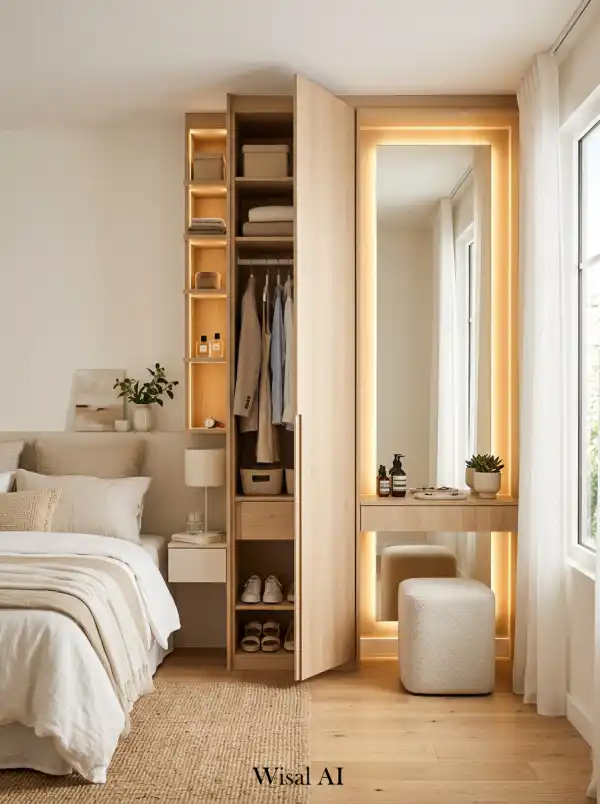
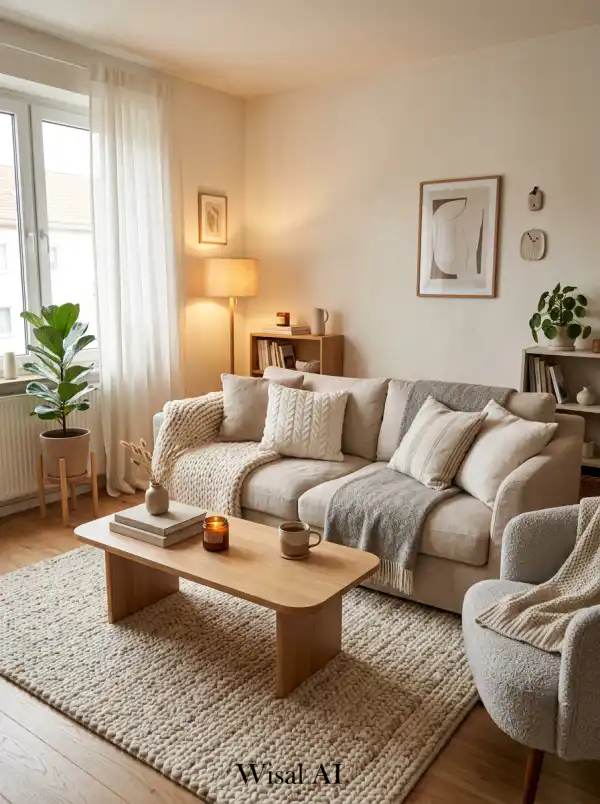
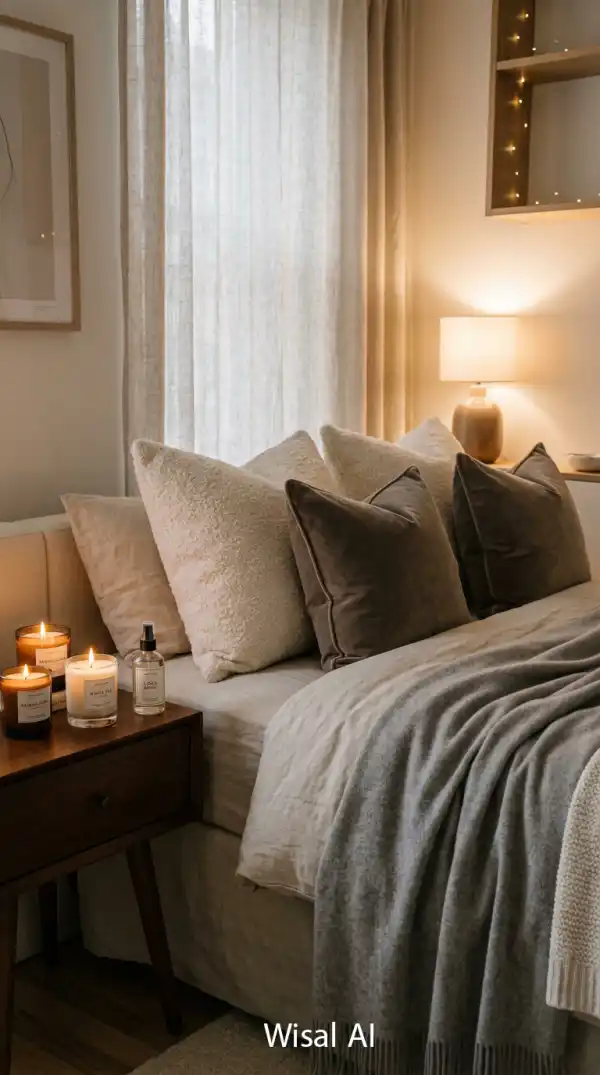
Japandi design is more than just a visual style it’s a feeling. It blends the calm precision of Japanese minimalism with the warmth and comfort of Scandinavian interiors, creating bedrooms that feel grounded, quiet, and effortlessly balanced. When you step into a Japandi-inspired bedroom, you immediately notice the difference. The space doesn’t try to impress you with excess or decoration. Instead, it slows you down. The air feels lighter, the visuals feel cleaner, and everything seems intentionally placed not to fill the room, but to give it meaning. This style is built around simplicity, but not emptiness. It is about choosing less, but choosing better. Natural wood tones, soft earthy neutrals, breathable fabrics, and subtle textures come together to create a space that feels lived-in, warm, and deeply calming. Nothing feels random every detail has a purpose, even the silence between objects. What makes Japandi especially powerful in bedroom design is its emotional impact. It turns small or simple spaces into personal retreats where the mind can rest and reset. It is not just about how the room looks in photos it is about how it feels at the end of a long day. In this guide, we explore 40 Japandi Bedroom Ideas for Small Spaces That Feel Calm and Luxurious, each one designed to help you create a home that feels timeless, balanced, and deeply connected to everyday comfort and nature.
An intimate, moody Japandi bedroom at dusk. The walls are a deep, matte slate grey with a subtle concrete texture. The bed is a simple tatami frame with a low-slung headboard in dark walnut. Linens are a mix of raven black and smoky quartz grey, appearing exceptionally soft and lived-in. A large, circular rice paper pendant light (Akari style) hangs low over the bed, emitting a warm, amber glow that creates soft shadows. In the corner, a tall, slender bamboo plant in a weathered terracotta pot adds a touch of organic life.
Design Tip: For moody spaces, use layered lighting. Avoid overhead recessed lights; instead, use floor lamps and pendants at varying heights to create a cozy, protective atmosphere.
: A grounded, earthy Japandi bedroom focusing on material honesty. The walls are clad in warm terracotta-toned plaster. The bed is a custom built-in wooden platform that merges into a long windowsill. Bedding is a rich palette of ochre, burnt sienna, and sandy beige linen.
Design Tip: Incorporate hidden lighting (cove lighting) to highlight the textures of your walls, such as plaster or brick, without the glare of a direct light bulb.
A serene, biophilic Japandi bedroom with a focus on Japanese tradition. Behind the bed, a large-scale mural of hand-painted bamboo stalks in charcoal ink sits on a beige silk-textured wallpaper. The bed is a minimal black-stained ash frame with light grey and white linen sheets. A large, woven rattan pendant light hangs from a ceiling featuring light wood coffers.
Design Tip: When using patterns (like bamboo or botanical prints), keep the furniture extremely simple and monochromatic to ensure the room remains a place of rest, not distraction.
A Scandi-heavy Japandi bedroom using a palette of Cool Greys and Denim Blues. The bed is a light birch wood frame with voluminous duvet layers in slate blue, navy, and ivory. The walls are a very pale, cool-toned grey. A large, oversized knit wool throw in a chunky cream weave is draped over the corner of the bed. A minimalist floating desk in light oak occupies the window corner, featuring a simple black metal chair.
Design Tip: To make a cool-toned room feel warm, focus heavily on textural variety—combine knits, linens, and furs to provide a sense of physical warmth
A multifunctional Japandi bedroom featuring a broken-plan layout. A slatted wooden room divider separates a small sleeping area from a minimalist vanity. The bed is dressed in Greige (grey-beige) tones with stone-washed silk pillows. The walls are an unfinished, raw lime-plaster with visible brush strokes to celebrate imperfection. A single, irregularly shaped wooden shelf holds three pieces of handmade pottery.
Design Tip: Embrace negative space. Don't feel the need to fill every wall or corner; leaving areas empty allows the eye to rest and highlights the pieces you actually have.
An indoor-outdoor Japandi bedroom design. One entire wall is made of sliding glass panels opening onto a private Zen rock garden. The interior palette is inspired by sand and stone, using varying shades of beige, tan, and light brown. The bed is a simple frame upholstered in a heavy beige canvas. A large sisal rug covers the floor, adding a rugged, natural texture. Instead of a headboard, a large horizontal piece of driftwood is mounted on the wall.
Design Tip: Bring the outdoors in by matching your interior flooring color to your exterior patio or garden path. This creates a limitless feeling of space.
A sophisticated, upscale Japandi bedroom. The walls are paneled in dark, charred wood (Shou Sugi Ban style). The bed is a luxurious platform in a mid-tone oak, featuring high-thread-count linens in charcoal and soft white. Two symmetrical, globe-shaped brass pendant lights hang on either side of the bed, acting as nightstand lamps.
Design Tip: Dark wood and black accents look best when paired with reflective materials like brass, copper, or glass to bounce light around the room.
A soft, feminine interpretation of Japandi design. The walls are a very pale, blush or dusty rose plaster. The bed is a light ash wood frame with bedding in creamy white and muted terracotta. A large vase of cherry blossoms sits on a low, white marble plinth beside the bed. Curtains are translucent white linen, allowing a pinkish-golden hour light to flood the room. A soft, high-pile white rug sits under the bed for maximum comfort.
Design Tip: To use pink or pastels in Japandi without it looking like a child's room, choose muddy versions of the colors (pink mixed with grey or brown) and pair them with sharp, black architectural lines.
A hyper-realistic, wide-angle architectural shot of a Japandi bedroom focusing on a low-profile platform bed made of reclaimed light oak. The bedding is a mix of heavy-weight sage green linen and slate grey cotton, layered with a waffle-knit charcoal throw. To the left, a floor-to-ceiling window reveals a soft-focus bamboo garden, allowing diffuse morning light to create long, soft shadows across a micro-cement floor.
Design Tip: When selecting a color palette, lean into Organic Neutrals. Pair a dominant earthy tone like Sage Green with grounding accents like Slate or Charcoal to maintain the Scandinavian Hygge warmth without losing Japanese Wabi-sabi simplicity
A medium-shot interior of a Japandi bedroom during the Golden Hour. The focal point is a bespoke wooden bed frame with an integrated headboard shelf holding minimalist stoneware. The color scheme shifts from the standard beige to a sophisticated palette of warm ochre, muted terracotta, and cream. The walls are finished in a beige Roman clay plaster, providing a tactile, velvety visual depth.
Design Tip: Use Dynamic Layering for lighting. Combine natural sunlight with warm-toned (2700. K) hidden LED strips behind headboards or under the bed frame to create an ethereal glow that emphasizes the room's architectural lines at night.
A serene Japandi bedroom featuring a palette of deep Indigo blue and natural white oak. The bed features a headboard made of woven cane and oak. Bedding consists of layered indigo dyed fabrics and cream-colored hemp. To the side, a small meditation corner is set up with a round jute tatami mat and a low-slung lounge chair in a Scandi-style bentwood design. The walls are a soft off-white with a slight sand texture. Architectural details include exposed ceiling beams in light oak. A large, circular mirror with a thin oak frame reflects a minimalist arrangement of dried pampas grass in a glass fluted vase.
.Design Tip: Incorporate Biophilic Elements sparingly. A single high-quality plant or a view of nature acts as a living piece of art, which is central to the Japandi philosophy of connecting the indoors with the outdoors.
A close-up, detail-oriented shot of a Japandi bedroom focusing on the Material Honesty of the space. The bed is dressed in rumpled, unbleached heavy linen in a sand color, paired with a hand-woven sisal rug underneath. The wall behind the bed is a feature of rough-hewn stone tiles in a light cream hue. A floating oak shelf serves as a nightstand, holding a stack of art books and a small, matte-black metal reading lamp.
Design Tip: When color palettes are monochromatic (e.g., all beige/sand), vary the Texture Density. Mix smooth linens with rough stones or chunky knits to create visual interest without needing to add more colors.
: A cozy, small-scale Japandi bedroom utilizing teak wood and terracotta accents. The bed is tucked into an alcove lined with warm teak wood paneling. The bedding is a crisp white base with terracotta-colored linen pillows and a tan cashmere throw. A built-in window seat features a soft grey cushion and several bolsters. The floor is light terracotta tile with a cream sheepskin rug for warmth.
Design Tip: Use Material Warmth to offset minimalism. If the furniture lines are very sharp and cold, use materials like Teak, Wool, or Sheepskin to add the necessary physical and visual heat to the space.
A luxury Japandi bedroom that introduces subtle metallic accents. The palette is graphite grey, pale gold, and light birch wood. The bed frame is birch, but the nightstands have thin gold-brass legs and hardware. The bedding is a dark graphite linen with gold-threaded decorative cushions. One wall is covered in a hand-painted gold-leaf wallpaper that has been distressed to look like an ancient Japanese screen (Byobu).
.Design Tip: When using Metallics in Japandi design, keep them Matte or Brushed. Shiny chrome or polished gold is too loud; instead, look for brushed brass or blackened steel to maintain a sophisticated, understated luxury.
: A soft, feminine interpretation of Japandi style featuring Dusty Petal pink and raw pine wood. The bed is a simple pine frame with a headboard upholstered in a dusty rose boucle fabric. Bedding is a mix of white linen and soft pink cotton. A large window is framed by light pine shutters. On the floor, a round cream-colored rug sits atop light wood flooring. A collection of small, handmade ceramic pots in various shades of pink and white are arranged on a floating pine shelf.
.Design Tip: To use Pastels in Japandi without it looking like a nursery, ground them with Raw Wood. The grain and knots in raw pine or oak provide a rustic edge that balances out the sweetness of colors like Petal Pink or Sky Blue.
A hyper-realistic, cinematic wide shot of a luxury Japandi bedroom featuring a low-profile platform bed made of reclaimed light oak. The focal wall is a masterpiece of texture: deep obsidian-colored micro-cement with a subtle hand-troweled finish, contrasted by a vertical slat feature in blonde ash wood. The bedding is a rich mix of charcoal linen and textured sandstone-colored throws, creating a heavy sense of comfort.
Design Tip: To balance a dark palette, always use three layers of light. Start with low-level ambient cove lighting (2700. K), add a functional task lamp with a warm bulb, and rely on natural light to highlight the wall textures during the day.
An ultra-detailed architectural interior shot of a serene Japandi bedroom. The bed is draped in heavy, sage-green stonewashed linen, topped with a chunky knit wool throw in an oatmeal hue. Behind the bed, a recessed niche features a backdrop of floor-to-ceiling slender bamboo poles, tightly packed to create a rhythmic vertical texture. The walls are finished in a soft, warm-grey lime wash that catches the light beautifully
Design Tip: When using green tones, stick to muted or dusty shades like Sage, Olive, or Moss. These colors resonate with natural wood far better than vibrant greens and maintain a sense of tranquility.
A professional interior photograph of a minimalist luxury bedroom. The bed frame is a custom-built slab of dark American Walnut with visible grain and butterfly joinery. The floor is made of large-format honed Travertine tiles in a warm cream color. The primary wall is a minimalist expanse of off-white plaster, featuring a large, frameless abstract painting in neutral tones (beige, black, and gold leaf).
Design Tip: To keep a stone-heavy room from feeling cold, introduce Tactile Warmth through textiles. A high-pile rug or a bouclé accent chair acts as a visual and physical softener against hard surfaces like Travertine or concrete
A stunning interior shot of a Japandi bedroom inspired by desert modernism. The walls are a thick, rounded-edge white lime plaster, reminiscent of Santorinian architecture but with Japanese precision. The headboard is a massive, raw-edge piece of weathered driftwood. Bedding consists of layered linens in desert tones: terracotta, burnt orange, and sun-bleached cream. To the side, a large, rustic wooden nightstand holds an ancient-looking clay vessel filled with dried pampas grass.
Design Tip: Use Shadow Play as a design element. By placing a plant or a slatted screen near a light source, you create moving art on your walls that changes throughout the day without adding clutter.
A clean, high-angle interior shot of a contemporary Japandi bedroom. The color palette is a sophisticated mix of Ash wood, cool whites, and deep Indigo blue. The bed features a light ash frame with a tall, slatted headboard. The duvet is a crisp white cotton, accented by indigo-dyed Shibori cushions and a navy blue cashmere throw.
Design Tip: Symmetry creates an immediate sense of order and calm. If a room feels busy, try mirroring your bedside elements (lamps, tables, art) to anchor the space and relax the eye.
A cinematic, wide-angle interior photograph of a master Japandi bedroom with an industrial edge. The primary wall is a stunning expanse of raw, shuttered concrete with visible tie-rod holes, contrasted by a massive floor-to-ceiling headboard made of dark, oiled American Walnut slats. The bed is a low-profile floating platform design with integrated warm LED strip lighting (2700. K) underneath, creating a weightless effect. Bedding features a mix of heavy charcoal wool, slate-grey silk pillows, and a deep espresso-colored linen throw. To the right, a large architectural floor lamp in matte black steel with a minimalist arm arches over a cognac-colored leather lounge chair.
Design Tip: To master the Industrial-Japandi look, use Material Contrast. The coldness of the concrete must be physically touched by the warmth of the wood or leather to create a Visual Dialogue that feels curated, not accidental.
A high-end, hyper-realistic shot of a Total Dark Japandi bedroom. The walls are finished in a black Shikkui plaster with a subtle velvet sheen. The bed is upholstered in a dark charcoal bouclé fabric, paired with obsidian-colored linen sheets and a heavy black knit throw.
Design Tip: When designing an all-dark room, Specular Highlights are your best friend. Incorporate small metallic accents (brass, bronze, or chrome) to catch the light and provide visual anchors so the room doesn't feel like a void.
An architectural masterpiece of a Japandi bedroom that emphasizes Tectonic Clarity and horizontal lines. The bed is a wide, oversized platform of light White Oak that extends to form integrated nightstands on both sides. The wall behind the bed features a large-scale Shoji-inspired screen made of translucent frosted glass and thin wood framing, backlit with soft 3000. K LED panels to simulate natural morning light. The bedding is minimalist: pure white linen with a single, long lumbar pillow in a muted terracotta-clay color.
Design Tip: Use Integrated Furniture to achieve a high-end look. When the bed, nightstand, and headboard are designed as one continuous architectural element, the room feels much more expansive and professionally built-in.
A soulful, deeply textured Japandi bedroom celebrating Wabi-Sabi aesthetics. The focal wall is made of irregular, hand-set dry stone in a light sandy hue. The bed is simple, with a frame made of reclaimed barn wood showing natural cracks and knots. Bedding is a rich composition of Earth Tones: mustard yellow linen, dusty clay cushions, and a heavy cream-colored hemp duvet.
Design Tip: To achieve an authentic Wabi-Sabi feel, avoid Perfectly Matched sets. Mix different wood species and stone types, as long as they share a similar Organic undertone. This makes the space feel like it has evolved over time.
26. Japandi Bedroom with Shoji-Inspired Sliding Panels
This Japandi bedroom embraces the elegance of traditional Japanese Shoji-inspired sliding panels, blending light wood framing with translucent surfaces that gently diffuse natural light. The space feels airy, calm, and highly structured, while still maintaining warmth through soft neutral tones. The sliding panels replace heavy walls or bulky doors, allowing the room to feel more open and flexible. Minimal furniture is used, focusing on low-profile elements like a wooden platform bed and subtle built-in storage. The result is a serene atmosphere that balances privacy with openness, making the bedroom feel like a peaceful retreat rooted in tradition and modern simplicity. Design Tip Use sliding panels instead of fixed partitions to make small bedrooms feel larger and more dynamic without sacrificing privacy or style.
27. Ultra-Minimal Japandi Bedroom with Floor Mattress Setup
This ultra-minimal Japandi bedroom removes all unnecessary elevation by placing a simple floor mattress directly on a natural wooden platform. The design reflects deep Japanese influence, focusing on grounding, simplicity, and spatial clarity. The room feels open and breathable, with almost no visual clutter. Neutral tones dominate the palette, with soft whites, warm beige, and muted wood textures creating harmony. Lighting is soft and indirect, reinforcing the calm, meditative mood of the space. Design Tip Keeping the bed closer to the ground enhances the feeling of openness and makes small rooms feel significantly larger.
28. Japandi Bedroom with Indoor Zen Green Corner
This Japandi bedroom introduces a subtle indoor Zen green corner, bringing nature directly into the space. A carefully placed indoor plant arrangement adds life without disrupting the minimalist harmony. The greenery contrasts softly with warm wood textures and neutral tones, creating a refreshing yet calming balance. The space remains uncluttered, with natural light enhancing the organic atmosphere. Design Tip Use a single curated plant corner instead of multiple scattered plants to maintain Japandi minimalism and avoid visual noise.
29. Japandi Bedroom with Concrete + Wood Contrast Design
balance between cold and warm materials creates a visually rich yet minimal Japandi aesthetic. The concrete adds structure and modernity, while wood softens the space, preventing it from feeling harsh or industrial. Design Tip Balance raw materials like concrete with warm wood to avoid a cold industrial look in Japandi interiors.
30. Soft Neutral Japandi Bedroom with Linen Layering Focus
This Japandi bedroom focuses entirely on soft neutral tones and layered linen textures. The bed becomes the visual centerpiece, dressed in multiple layers of natural linen fabrics in varying shades of white, cream, and beige. The space feels extremely soft, warm, and inviting while maintaining strict minimalism. Design Tip Layer different linen textures instead of adding more colors to achieve depth without breaking Japandi simplicity.
31.Minimal Japandi Bedroom with Natural Wood Warmth
A minimal Japandi bedroom focuses on simplicity, natural materials, and emotional calm. The space is built around light or medium-toned natural wood, soft beige walls, and breathable fabrics like linen and cotton. Everything in the room should feel intentional and uncluttered, creating a peaceful environment that promotes relaxation and mental clarity. Furniture should have low profiles with clean lines, inspired by Japanese simplicity and Scandinavian functionality. A low wooden bed frame becomes the centerpiece, paired with neutral bedding in soft white, cream, or light gray tones. Avoid heavy decoration and instead focus on texture variation to create depth. To enhance the Japandi feeling, incorporate soft ambient lighting, paper lamps, or warm LED strips. Keep accessories minimal—only a ceramic vase, a small plant, or a simple artwork.
32.Japandi Bedroom with Soft Neutral Layered Textures
This Japandi bedroom idea focuses on layering soft neutral textures to create depth without breaking minimalism. Instead of using bold colors, the design relies on subtle variations of beige, cream, warm gray, and soft brown. The bed should feel like the emotional center of the space, layered with linen sheets, knitted throws, and soft cushions. Each texture adds warmth while maintaining a clean and balanced aesthetic. Wood elements should be used sparingly but effectively—bed frame, side tables, or shelving in natural oak or ash wood. Avoid glossy finishes and stick to matte surfaces for a more organic feel. Lighting should be warm and diffused to enhance softness. Combine natural daylight with warm artificial lighting for a balanced atmosphere throughout the day.
33.Japandi Bedroom with Low Floor Sleeping Concept
A signature element of Japanese-inspired design is the low sleeping arrangement, which brings a grounded and meditative feeling to the bedroom. In this Japandi interpretation, the bed sits closer to the floor, enhancing calmness and spatial openness. This design works especially well in small bedrooms because it visually increases ceiling height and makes the room feel larger. Combine this with light wood flooring and soft neutral tones to maintain a spacious feeling. Keep furniture minimal and close to the ground—low bedside tables, simple floor lamps, and subtle decor. Avoid tall or heavy furniture pieces that disrupt visual balance. Textures should remain soft and natural, emphasizing comfort without excess decoration.
34.Japandi Bedroom with Zen Natural Green Accents
Adding natural greenery to a Japandi bedroom enhances the connection between indoor space and nature. However, it must be subtle and intentional—never overwhelming. Choose simple plants like bonsai, snake plants, or small leafy greens placed in ceramic pots. These elements should blend naturally into the room without disrupting the minimal aesthetic. The rest of the design should remain neutral and calm, with soft wood textures, linen fabrics, and warm lighting. Green should act as an accent, not the dominant color. This approach brings life and freshness into the space while maintaining Japandi simplicity.
35.Japandi Bedroom with Soft Ambient Hotel-Style Lighting
This Japandi bedroom idea combines minimalist design with soft luxury hotel-style lighting. The goal is to create a warm, emotionally comforting atmosphere while keeping the space clean and simple. Lighting becomes the main design feature—hidden LEDs, warm wall glows, and soft bedside lamps create layers of ambiance. The rest of the room stays minimal to allow lighting to define the mood. Materials should remain natural: wood, linen, and matte finishes. Avoid glossy or reflective surfaces to preserve Japandi authenticity. This style is perfect for creating a cozy, relaxing bedroom that feels both modern and luxurious.
36. Low-Profile Platform Beds for Grounded Simplicity
One of the core principles of Japandi design is staying close to the ground, both visually and emotionally. Low-profile platform beds help create this feeling by reducing visual height and making the room feel more grounded and peaceful. This type of bed removes unnecessary bulk and allows the surrounding space to breathe. When paired with soft neutral bedding and natural wood finishes, it creates a calm, balanced atmosphere that feels almost meditative. Design Tip: Choose natural oak or ash wood finishes to maintain warmth and avoid a cold minimalist look.
37. Shoji-Inspired Sliding Panels for Soft Separation
Inspired by traditional Japanese interiors, sliding panels offer a beautiful way to divide space without creating heaviness. In small Japandi bedrooms, they are especially useful for maintaining openness while still defining functional areas. These panels diffuse light gently and create soft shadows, adding depth without cluttering the visual flow of the room. They also enhance privacy in a subtle, elegant way. Design Tip: Use translucent or light wood materials to keep the space bright and airy.
38. Monochrome Neutral Layering for Visual Calm
Instead of using multiple bold colors, Japandi design relies on subtle tonal variation within neutral palettes. Layering shades of beige, off-white, taupe, and soft gray creates a quiet, cohesive look. This technique allows texture—not color—to become the main visual interest. Linen bedding, wool throws, and matte finishes all contribute to a soft, calming environment. Design Tip: Stick to 3–4 neutral tones max to maintain harmony and avoid visual noise.
39. Built-In Wooden Niches for Minimal Storage Elegance
Storage in Japandi bedrooms is never loud or bulky. Built-in wooden niches provide a seamless way to store essentials while maintaining clean architectural lines. These recessed spaces can hold books, decor, or lighting elements without disrupting the simplicity of the room. When lit softly, they become subtle design features rather than just storage. Design Tip: Add warm hidden lighting inside niches to enhance depth and mood.
40. Soft Floor Lighting for Floating Atmosphere
Lighting in Japandi bedrooms is always indirect and atmospheric. Soft floor-level lighting creates a floating effect that makes the room feel lighter and more spacious. Instead of bright overhead lights, use hidden LED strips or low lamps to gently illuminate the space from below. This enhances relaxation and creates a peaceful evening ambiance. Design Tip: Combine floor lighting with natural materials to avoid a futuristic or cold effect.
Conclusion
A Japandi bedroom is far more than a design style it is a way of living and experiencing space on a deeper level. It removes the unnecessary, quiets the visual noise, and replaces it with calm structure, natural balance, and emotional clarity. Across these 40 Japandi Bedroom Ideas, one clear message stands out: true beauty in design does not come from adding more, but from choosing less with intention. Every wooden surface, soft textile, and muted tone works together to create a space that feels light, grounded, and effortlessly harmonious. What makes Japandi so powerful is its timeless nature. It does not depend on trends or seasonal styles. Instead, it is built on natural materials, thoughtful proportions, and a design language that continues to feel relevant and comforting over time. In real life, a Japandi bedroom is not just something you look at it is something you feel. It changes how you wake up, how you unwind, and how you disconnect from the noise of everyday life. It becomes a personal retreat where simplicity feels intentional, and silence feels restorative. In the end, Japandi design reminds us that a well-designed space is not about impressing others it is about creating a quiet environment that gently supports your mind, body, and everyday life.
FAQ
1. What makes Japandi design different from minimalism?
Japandi combines minimalism with warmth. Unlike strict minimalism, it introduces natural textures, wood tones, and soft materials to avoid a cold or empty feeling.
2. Is Japandi suitable for small bedrooms?
Yes. Japandi is ideal for small spaces because it prioritizes low furniture, clean layouts, and clutter-free design, which visually expands the room.
3. What colors are best for a Japandi bedroom?
The best colors are neutral and muted tones such as beige, off-white, soft gray, warm brown, and earthy greens.
4. Can I mix Japandi with other styles?
Yes, but subtly. Japandi works well with Scandinavian, modern minimalist, or soft industrial elements if you maintain simplicity and balance.
5. What materials are commonly used in Japandi interiors?
Natural wood, linen, stone, clay, and matte finishes are the core materials used in Japandi design.
6. What is a Japandi bedroom design?
A Japandi bedroom is a hybrid interior style that combines Japanese minimalism with Scandinavian functionality. It focuses on simplicity, natural materials, and calm, balanced spaces that promote relaxation and mental clarity.
7. Why is Japandi style so popular for bedrooms?
Japandi is popular because it creates a peaceful and clutter-free environment. It blends warmth and minimalism, making bedrooms feel cozy, timeless, and emotionally grounding rather than cold or overly decorated.
8. What colors work best in a Japandi bedroom?
Japandi bedrooms typically use neutral and earthy tones such as beige, off-white, cream, soft gray, muted brown, and natural wood shades. These colors help create a calm and harmonious atmosphere.
9. Is Japandi a timeless interior style?
Yes. Japandi is considered timeless because it avoids fast trends and focuses on natural, lasting design principles.
10.What type of furniture is used in Japandi bedrooms?
Low-profile wooden beds, simple storage units, functional nightstands, and minimal decorative pieces.