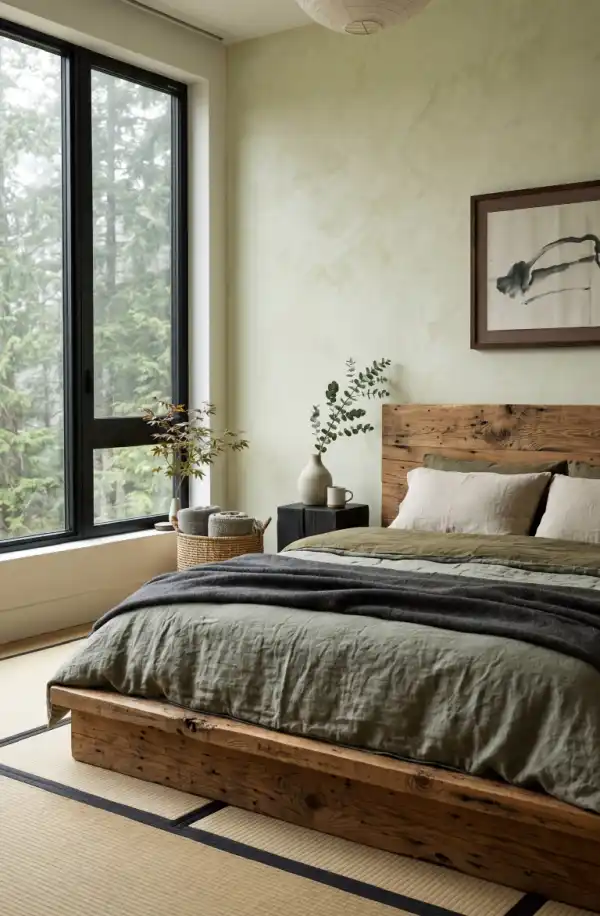
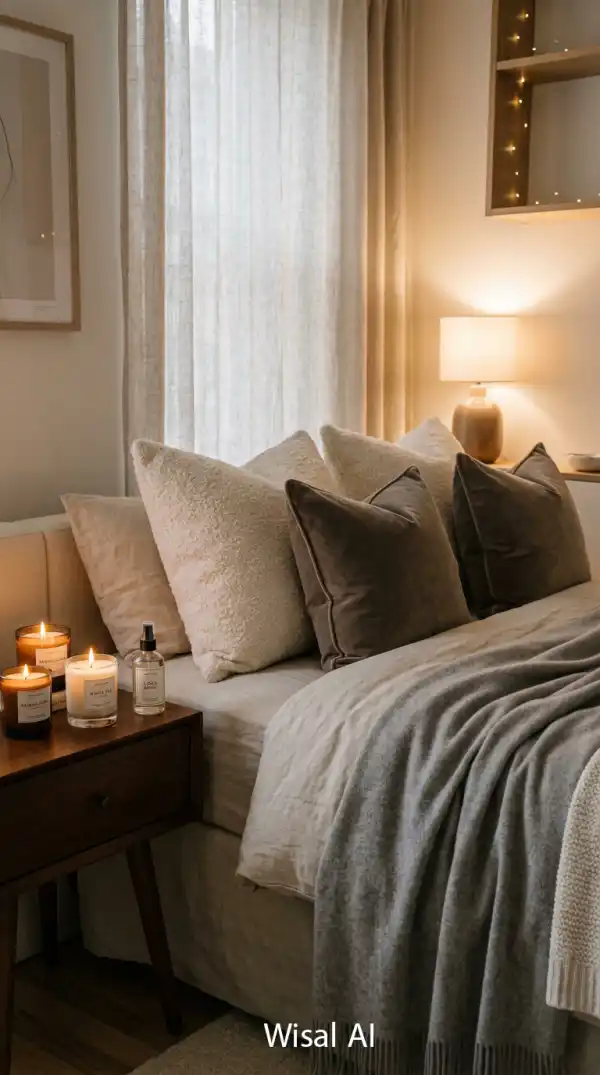
A small living room doesn't have to feel cramped or limiting. With the right design choices, even the most compact space can appear brighter, more open, and surprisingly spacious. Professional interior designers rarely rely on expensive renovations to achieve this effect. Instead, they use a combination of smart layouts, light-enhancing materials, balanced proportions, and visual tricks that make a room feel much larger than its actual dimensions. Many homeowners believe the only solution to a small living room is removing walls or purchasing a larger home. In reality, thoughtful interior design can completely transform how a space looks and functions. Everything from furniture placement and lighting to color selection and storage influences the way your eyes perceive the room. Small adjustments—such as choosing the right sofa, allowing more natural light to enter, or using properly scaled furniture—can make an incredible difference without requiring a major renovation. The goal isn't simply to fit more furniture into the room. Instead, it's about creating a layout that encourages movement, improves visual flow, and eliminates unnecessary clutter. When every piece serves a purpose and every design element works together, a small living room can feel just as comfortable and elegant as a much larger one. In this guide, you'll learn how to make a small living room feel twice as big using professional interior design techniques. These practical ideas will help you maximize every square foot while creating a living room that feels brighter, more inviting, and effortlessly luxurious.
1. Choose Light Colors as Your Foundation
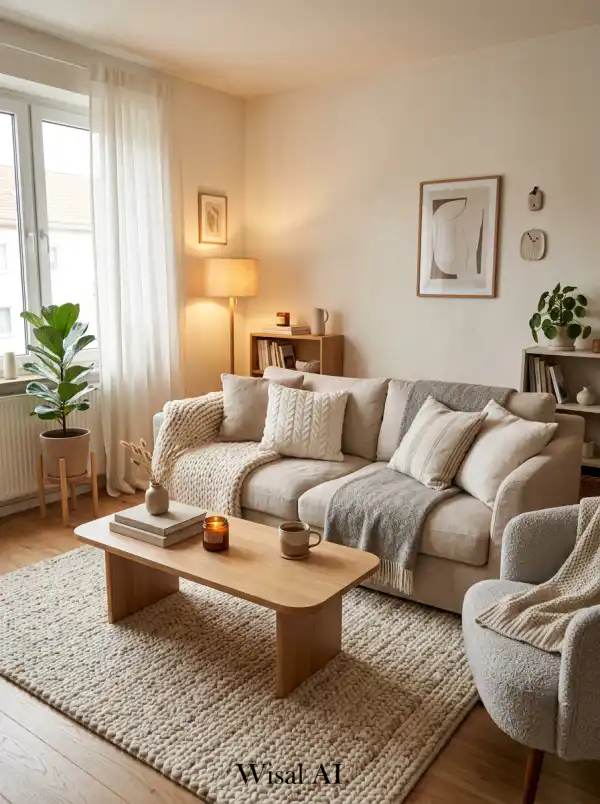
One of the easiest and most effective ways to make a small living room feel larger is by starting with a light color palette. Light colors reflect natural and artificial light, helping the walls appear farther apart and creating a brighter, more open atmosphere. Professional designers often recommend warm white, soft beige, light gray, greige, ivory, or pale taupe as the primary wall colors for compact spaces. These timeless neutrals provide a calm backdrop while making it easier for natural light to bounce around the room. A monochromatic palette can further enhance the illusion of space. Instead of using strong contrasts between walls, furniture, and flooring, select similar shades within the same color family. This reduces visual interruptions and allows the eye to travel smoothly throughout the room. Light colors don't have to feel boring. Layering different textures—such as linen curtains, woven baskets, boucle chairs, or wool rugs—adds warmth and character without making the room appear smaller. Beginning with a bright, cohesive foundation creates the perfect base for every other design decision.
2. Let Natural Light Flow Freely
Natural light is one of the most powerful tools for making a room feel larger. Avoid placing bulky furniture directly in front of windows, where it can block daylight from reaching the rest of the room. Instead, arrange seating so sunlight can spread naturally across the floor and walls. Choose lightweight curtains made from linen or sheer fabrics that allow daylight to filter through while still providing privacy. Hanging curtains higher than the window frame and extending the curtain rod beyond the edges of the window can also make both the windows and the room appear larger. If privacy allows, keep window treatments as simple as possible. Clean windows regularly to maximize brightness, and avoid heavy drapes that absorb light rather than reflecting it. The more natural light your living room receives, the more spacious and inviting it will feel throughout the day.
3. Select Furniture with Visible Legs
Furniture can either visually weigh a room down or make it feel light and airy. One of the simplest designer tricks is choosing sofas, chairs, and cabinets with exposed legs. Visible legs allow more of the floor to remain in sight, creating a greater sense of openness. When furniture sits directly on the floor with solid bases, it blocks the view underneath, making the room appear heavier and smaller. Slim wooden or metal legs work particularly well in Scandinavian, Contemporary, and Mid-Century Modern interiors. Pairing raised furniture with a large area rug also helps unify the seating arrangement while maintaining visual openness. Small details like this often have a surprisingly large impact on how spacious a room feels.
4. Use Mirrors to Reflect Light and Space
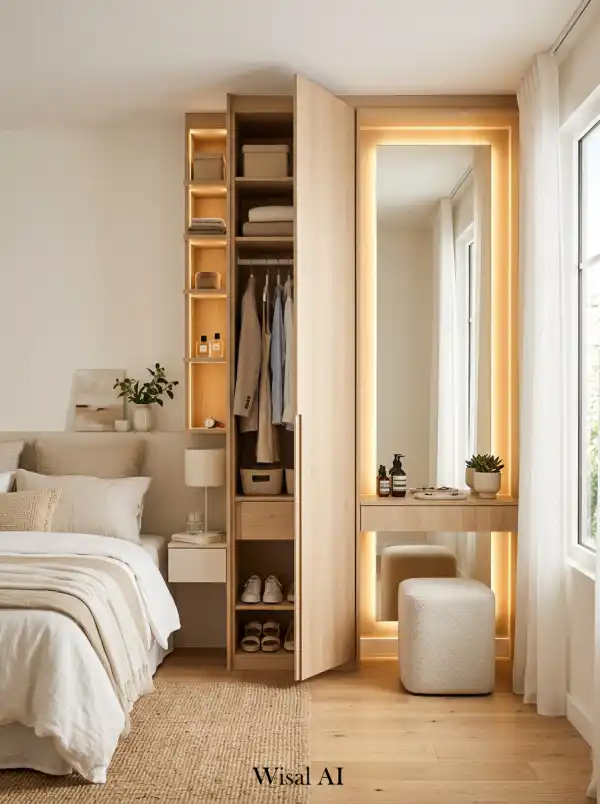
Mirrors have long been one of the oldest and most effective interior design techniques for expanding small spaces. A large mirror placed opposite a window reflects natural light throughout the room while visually doubling the sense of depth. Instead of hanging several small mirrors, consider using one generously sized mirror that becomes a focal point. Frameless designs create a sleek contemporary appearance, while wood or metal frames introduce warmth depending on your decorating style. Mirrors also reflect artwork, lighting fixtures, and architectural details, making the room feel richer without adding clutter. When positioned thoughtfully, mirrors create the illusion of another room beyond the wall, instantly making compact living spaces feel significantly larger.
5. Choose the Right Size Sofa
Many people assume a tiny sofa belongs in a small room. Surprisingly, this often produces the opposite effect. A sofa that's too small can make the entire furniture arrangement appear disconnected, while multiple small seating pieces create visual clutter. Instead, choose one well-proportioned sofa that fits comfortably within the room and complements its layout. Look for streamlined designs with slim arms, clean lines, and raised legs to maximize both seating capacity and visual openness. Pair the sofa with one or two lightweight accent chairs rather than filling the room with unnecessary furniture. A carefully sized sofa creates a stronger focal point while making the living room feel balanced and professionally designed.
6. Keep the Furniture Layout Simple
One of the biggest mistakes homeowners make in small living rooms is trying to fit too much furniture into a limited space. Every additional chair, side table, or decorative cabinet reduces the room's sense of openness. Professional interior designers begin by identifying only the essential furniture pieces. A comfortable sofa, a properly sized coffee table, and one or two accent chairs are often all that's needed to create a functional and inviting seating area. Arrange the furniture to encourage natural conversation while maintaining clear walking paths. Avoid pushing every piece tightly against the walls, as this can actually make the room feel less balanced. Instead, allow the layout to breathe with comfortable spacing between furniture. A simple layout creates visual clarity, making the room feel calmer, larger, and easier to enjoy every day.
7. Choose Multi-Functional Furniture
Every piece of furniture in a small living room should work as efficiently as possible. Instead of filling the room with separate storage cabinets, coffee tables, and extra seating, choose furniture that serves more than one purpose. An ottoman with hidden storage can store blankets and magazines while providing additional seating. A coffee table with built-in drawers keeps everyday items out of sight, while nesting tables can be expanded when guests arrive and tucked away afterward. Sofas with integrated storage compartments are another excellent option for compact homes. Multi-functional furniture reduces clutter while allowing the room to remain organized without sacrificing comfort or style. Professional designers frequently prioritize versatility because it maximizes every square foot available.
8. Use One Large Rug Instead of Several Small Ones
Many homeowners believe several small rugs make a room feel cozy, but in compact living rooms they often create visual fragmentation. A single large rug establishes one unified seating area, helping the eye move smoothly throughout the room. Ideally, the front legs of the sofa and chairs should rest comfortably on the rug. This visually connects every piece of furniture into one cohesive arrangement. Choose neutral colors or subtle patterns that complement the overall palette without overwhelming the space. Large rugs also expose less broken floor area, creating the illusion of a wider and more continuous room. When in doubt, choosing a slightly larger rug almost always produces a more luxurious result.
9. Add Vertical Storage Instead of Wide Cabinets
Floor space is precious in a small living room. Instead of adding wide storage units that consume valuable square footage, think vertically. Tall bookcases, floating shelves, and wall-mounted cabinets provide generous storage while leaving more floor visible. Displaying books, plants, framed artwork, and decorative accessories on vertical shelving also draws the eye upward, making ceilings appear taller. Avoid overcrowding every shelf. Leaving some empty space allows decorative objects to stand out while preventing the storage from becoming visually heavy. Vertical storage combines practicality with elegant design.
10. Keep Décor Minimal but Meaningful
A beautifully designed small living room doesn't need dozens of decorative objects. In fact, too many accessories often create the opposite effect by making the room feel crowded and distracting. Instead, select a few meaningful decorative pieces that complement your overall style. A large framed artwork, a sculptural vase, a stack of carefully chosen books, or a beautiful ceramic bowl often creates more impact than numerous small decorations. Professional designers intentionally edit their interiors, removing unnecessary objects until every visible item contributes something valuable. Minimal décor creates breathing room, allowing both the furniture and the architecture to shine.
11. Create Visual Continuity with a Cohesive Color Palette
One reason professionally designed homes feel larger is their consistent use of color. Rather than introducing dramatically different colors throughout the living room, select two or three complementary shades and repeat them across furniture, textiles, artwork, and accessories. For example, warm white walls, beige upholstery, oak furniture, and olive green accents create harmony without becoming monotonous. Repeating colors encourages the eye to travel naturally through the room, eliminating visual interruptions. A cohesive palette also makes future decorating easier because new accessories can blend seamlessly into the existing design. Consistency creates calmness—and calm interiors almost always feel larger.
12. Layer Lighting Instead of Relying on One Fixture
Many small living rooms depend entirely on a single ceiling light. Unfortunately, this often creates harsh shadows that visually shrink the room. Professional designers layer several light sources to create depth and warmth. Combine ceiling lighting with table lamps, floor lamps, wall sconces, or discreet LED accent lighting. Warm white bulbs between 2700K and 3000K produce the most inviting atmosphere. Layered lighting eliminates dark corners while highlighting architectural features, artwork, and textured materials. A well-lit room naturally appears brighter, larger, and considerably more luxurious.
13. Keep Walkways Open
One of the quickest ways to make a living room feel cramped is blocking natural circulation paths. People should be able to move comfortably between seating areas without squeezing around furniture. Leave generous space around the coffee table and maintain clear routes between doorways and adjoining rooms. Avoid placing decorative objects, baskets, or oversized plants where they interrupt movement. When circulation feels effortless, the entire room appears more spacious because nothing visually restricts the flow. Good interior design always prioritizes comfort alongside beauty.
14. Add Texture Instead of More Color
Many homeowners attempt to make small rooms more interesting by introducing numerous bold colors. Professional designers often achieve richer interiors through texture instead. Layer linen curtains, boucle chairs, knitted throws, woven baskets, wool rugs, ceramic accessories, and natural wood furniture. Even within a mostly neutral palette, these varied materials create warmth, depth, and sophistication. Texture introduces personality without overwhelming the room. The result is a living room that feels elegant, comfortable, and visually interesting while remaining open and uncluttered.
15. Declutter Regularly
Even the most beautifully designed living room will feel small if it's filled with unnecessary belongings. Regular editing is one of the simplest ways to maintain a spacious atmosphere. Store remote controls, chargers, magazines, toys, and paperwork inside drawers, baskets, or hidden storage compartments. Keep coffee tables relatively clear, display only a few decorative accessories, and rotate seasonal décor rather than displaying everything year-round. Professional interior designers understand that luxury often comes from restraint. A clean, organized room always appears brighter, larger, and more relaxing than one crowded with unnecessary objects. Sometimes removing a few items has a greater impact than purchasing new furniture.
Conclusion
Making a small living room feel twice as big doesn't require expensive renovations or additional square footage. Instead, it comes from making thoughtful design decisions that maximize light, improve flow, and create a sense of visual harmony. Choosing light colors, allowing natural light to fill the room, selecting well-proportioned furniture, and maintaining a simple layout all work together to create an interior that feels open and inviting. Storage, lighting, textures, and carefully chosen décor also play essential roles. By reducing clutter, using vertical space, layering soft materials, and repeating a cohesive color palette, even the smallest living room can feel comfortable, elegant, and surprisingly spacious. Every design choice should support both functionality and beauty, ensuring the room works well for everyday life while maintaining a calm, luxurious atmosphere. Ultimately, the secret to a larger-looking living room isn't adding more it's making smarter choices with what you already have. A well-designed compact space often feels more welcoming and refined than a larger room filled with unnecessary furniture and decoration. With careful planning and attention to detail, your small living room can become one of the most stylish and enjoyable spaces in your home.
FAQs
1. What color makes a small living room look bigger?
Light colors such as warm white, beige, ivory, greige, and soft gray reflect more light and help create a spacious appearance.
2. Does a large rug make a small living room look bigger?
Yes. A properly sized large rug visually connects the furniture and creates a more open, cohesive layout.
3. Should furniture be pushed against the walls in a small living room?
Not always. Leaving a small amount of space behind furniture can actually create more visual depth and balance.
4. How can I add storage without making the room feel crowded?
Choose multi-functional furniture, floating shelves, and tall storage units that maximize vertical space instead of taking up more floor area.
5. Are mirrors effective in small living rooms?
Absolutely. Large mirrors reflect both light and views, making the room feel brighter and significantly more spacious.
6. What's the biggest mistake in decorating a small living room?
Using oversized furniture collections, excessive décor, or too many unrelated colors can make the room feel cluttered and much smaller than it really is.