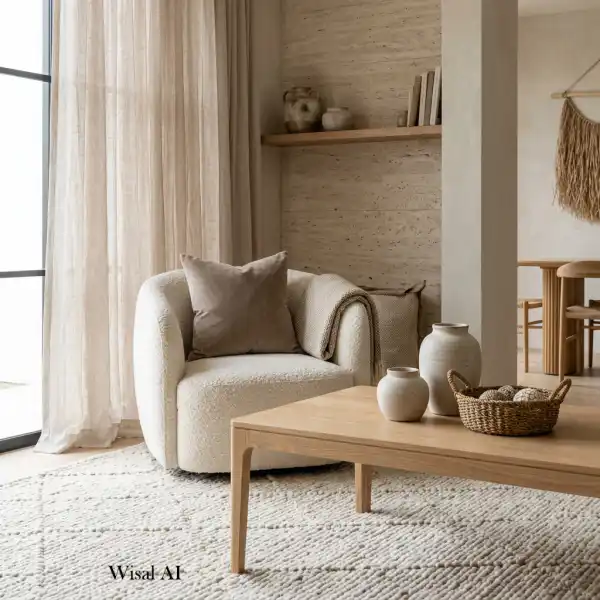
In the modern era, our homes have transformed from mere shelters into multifunctional hubs for work, rest, and mental rejuvenation. As we navigate 2026, the interior design industry has moved beyond pure aesthetics to embrace Environmental Psychology. But how exactly do the colors, textures, and layouts of your home influence your daily happiness and productivity. In this deep dive, we explore the intricate relationship between your surroundings and your subconscious mind.
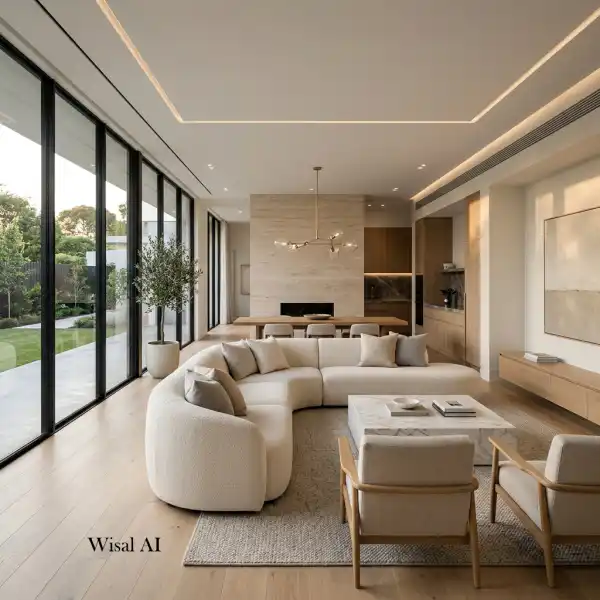
1. The Power of Color Theory: More Than Just Paint Color is the most immediate tool for influencing mood. It’s not just about what looks good on Instagram; it’s about the physiological response your brain has to different wavelengths. The Calm of Neutrals: Soft beiges, warm whites, and sandy taupes (key to the Japandi and Minimalist styles) lower cortisol levels, making them ideal for bedrooms and meditation corners. The Depth of Dark Tones: Deep walnuts and charcoal greys (the Moody Modern approach) create a cocoon effect. These colors provide a sense of security and intimacy, perfect for evening relaxation. The Energy of Earth Tones: Terracotta and olive green stimulate creativity and a connection to nature, reducing feelings of isolation.
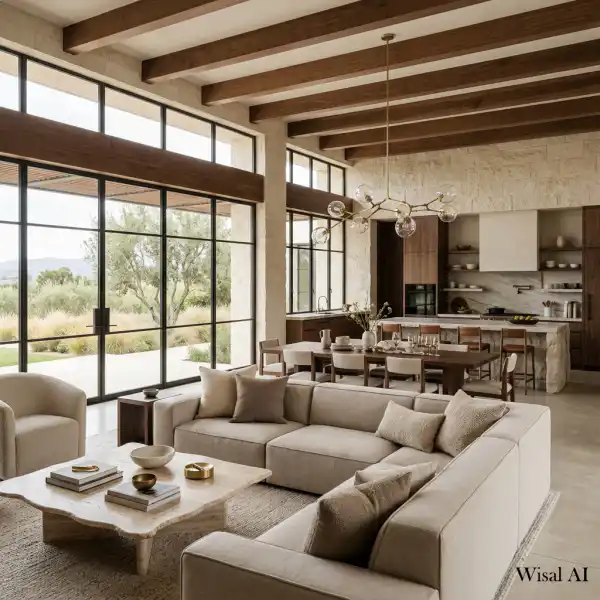
2. Biophilic Design: The Human Need for Nature Biophilia is the innate tendency of humans to seek connections with nature. Integrating biological elements into your home is no longer a luxury—it’s a wellness necessity. Natural Light: Sunlight regulates our circadian rhythm. Using sheer curtains and strategic mirror placement maximizes Vitamin D exposure. Organic Materials: Touching raw wood, stone, or jute (as seen in Rustic Boho) grounds the nervous system, providing a tactile reality check in an increasingly digital world. Living Greenery: Beyond purifying the air, plants like olive trees or monsteras reduce stress and improve focus.
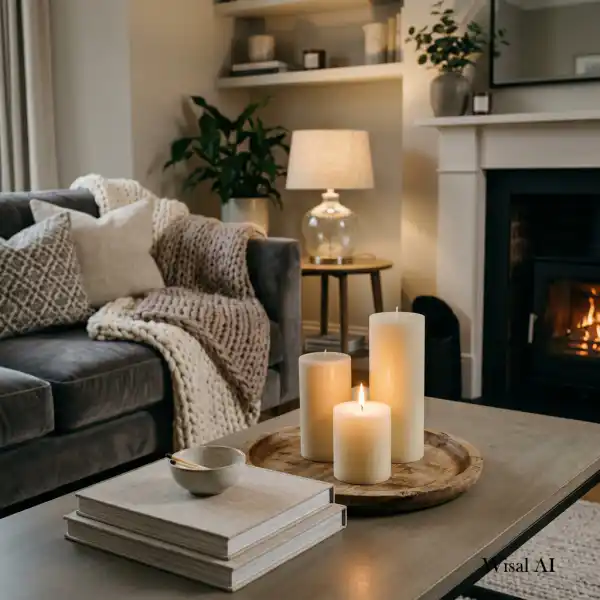
3. Texture and Tactile Comfort The sense of touch is often overlooked in design. A room that looks beautiful but feels cold will never be truly comfortable. Layering Textures: Combining a smooth leather sofa with a chunky wool throw and a jute rug creates visual weight. This complexity keeps the brain engaged and the body cozy. The Bouclé and Linen Trend: These fabrics are popular in 2026 because they feel soft against the skin, triggering the release of oxytocin—the cuddle hormone.
4. Spatial Flow and Neuro-Architecture The way you move through a room dictates your stress levels. A cluttered or poorly planned layout creates visual noise, which the brain must constantly process, leading to mental fatigue. The Open-Plan Evolution: While open spaces offer freedom, 2026 design focuses on broken-plan living—using fluted glass partitions or shelving units to create distinct zones for work and rest. The Concept of 'Symmetry vs. Wabi-Sabi': While symmetry offers a sense of order, the Japanese concept of Wabi-Sabi (finding beauty in imperfection) allows for a more relaxed, less pressurized living environment.
Conclusion: Design as a Form of Self-Care Choosing the right interior design isn't an act of vanity; it’s an investment in your mental health. When your home is aligned with your psychological needs—whether through the silence of minimalism or the warmth of a rustic retreat—you are better equipped to face the challenges of the world. Does your home reflect your best self. At Your Site Name, we don't just design rooms; we curate experiences. Book a consultation today to transform your space into a sanctuary of well-being.