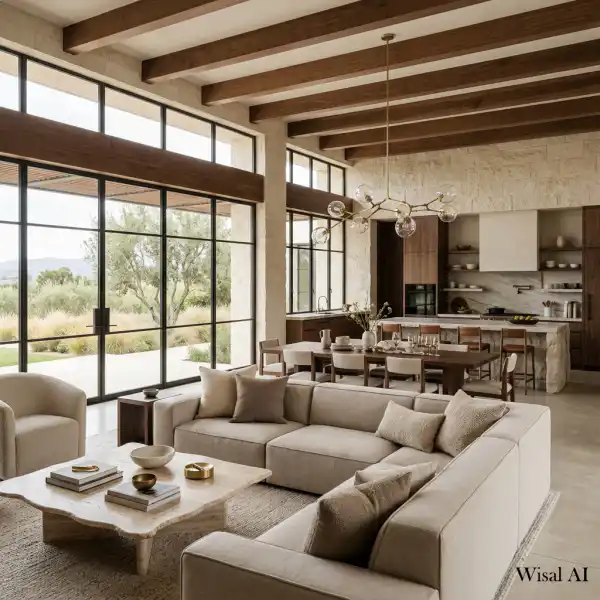
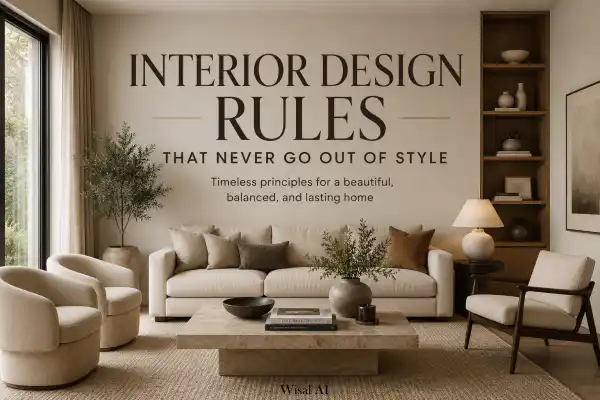
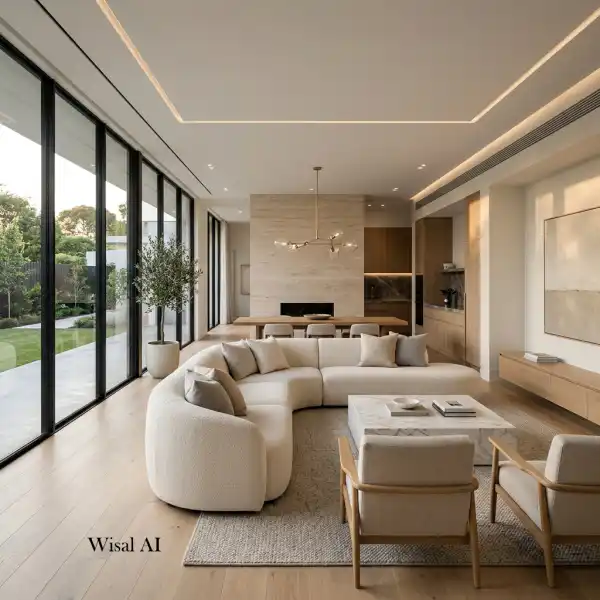
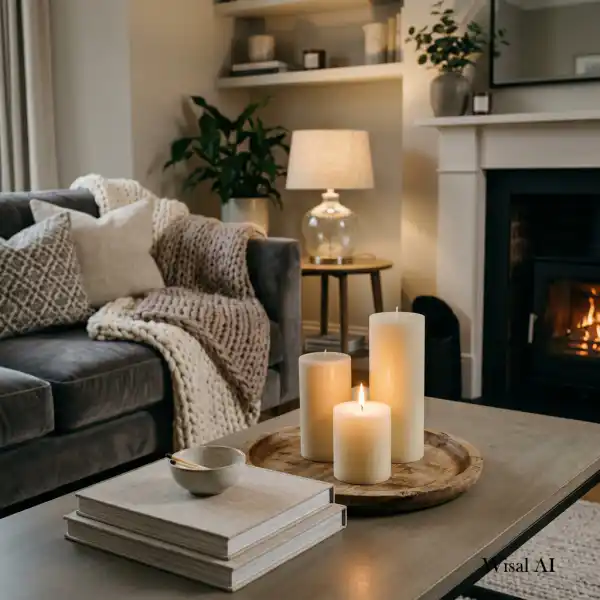
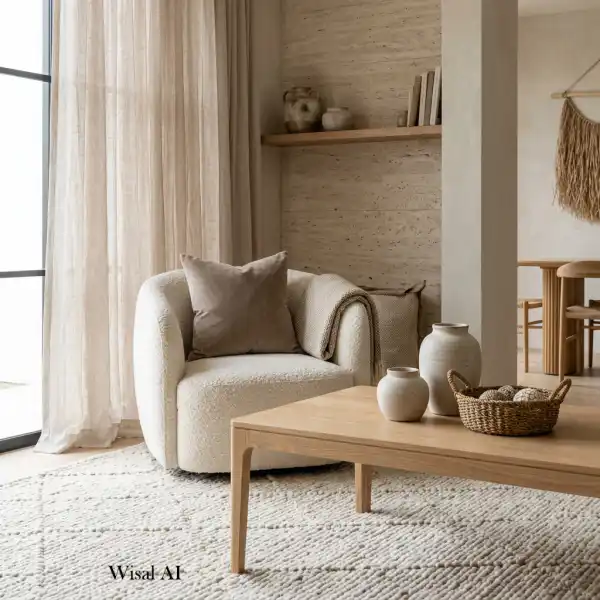
Living in a small apartment doesn’t mean giving up on comfort, beauty, or luxury. In fact, some of the most inspiring homes are the ones that make the most of every square foot through thoughtful design and intentional choices. The challenge is not necessarily having less space it’s making that space feel open, calm, and connected. A well-designed apartment should never feel crowded or restrictive. Instead, it should support the way you live, allowing natural light, texture, and functionality to work together in harmony. This is where Modern Organic design truly shines. By combining natural materials, soft neutral palettes, warm wood tones, stone surfaces, and layered textures, this style creates interiors that feel both grounded and expansive. Rather than relying on excessive decoration, it focuses on simplicity, balance, and the beauty of authentic materials. One of the reasons Modern Organic interiors continue to dominate design trends in 2026 is their ability to make even compact spaces feel larger and more inviting. Light-filled rooms, tactile fabrics, organic shapes, and carefully curated furnishings help create an atmosphere that feels effortless, airy, and deeply comfortable. In this guide, we explore 33 Modern Organic Decor Ideas that show how small apartments can feel bright, spacious, and beautifully designed. Whether you're refreshing a studio apartment or redesigning a compact home, these ideas will help you create a space that feels calm, elegant, and naturally connected to modern living.
Design Tip: To maintain a sense of height, use low-slung furniture and vertical elements like slim floor lamps to draw the eye upward without cluttering the visual plane.
Design Tip: In windowless kitchen nooks, use under-cabinet LED strips (4000. K) to eliminate shadows on workspaces, making the area feel brighter.
Design Tip: When building vertically, keep the material palette consistent. Using the same wood for all elements creates a monolithic look that prevents fragmentation.
Design Tip: Use open shelving to turn your belongings into decor. Stacking books both vertically and horizontally adds visual interest.
Design Tip: Sheer curtains define separate zones for sleeping and living without blocking light or making the room feel physically smaller.
Design Tip: In a small bedroom, the bed is your largest footprint—make it work for you. Active storage eliminates the need for bulky dressers.
Design Tip: For narrow rooms, place the bed perpendicular to the longest wall (or at the end) to create a destination and keep the walkway fluid.
Design Tip: Deep tones like charcoal can actually make walls recede into the shadows, creating an illusion of depth and luxury.
Design Tip: Use a hero color (like orange) in small doses across the room to tie different functional areas together into a cohesive design.
Design Tip: Layered lighting is key. Use dimmable pendants for dining and floor lamps for lounging to signal a change in the room's mood without moving furniture.
Expert Design Tip: When selecting colors for a shared living zone, stick to a Tone-on-Tone approach. Using different shades of the same neutral color creates depth without visual noise, allowing the room to breathe.
Expert Design Tip: Use Vertical Lighting in kitchens. Under-cabinet LED strips not only make food prep easier but also act as ambient light that makes the backsplash recede, giving the illusion of more counter depth.
Expert Design Tip: Keep your loft materials light. Using pale woods like birch or pine for elevated structures prevents them from feeling heavy or claustrophobic in a small room.
Expert Design Tip: To make a small bedroom feel like a hotel suite, prioritize Textural Contrast. Mix velvet, linen, and wool in the same color family to create a sense of richness without needing more space.
Expert Design Tip: Use a Dark Accent Wall for your desk area. Deep colors like forest green or navy create a sense of focus and visually push the desk back, making the workspace feel like its own separate room.
Expert Design Tip: In narrow rooms, avoid bulky furniture at the center. Instead, use perimeter planning where all functional elements are built into the walls to keep the central flow open and unobstructed.
Expert Design Tip: When going dark, lighting is everything. Use Accent Lighting (like the cylinder pendant or floor lamp seen here) to create layers. Avoid bright overhead lights, which can make dark walls look flat rather than deep.
Expert Design Tip: Use a Signature Color to unify a multi-zone room. By repeating the same shade of orange in the pillow, chair, and art, you tell the eye that these separate zones are part of one harmonious design.
Expert Design Tip: The secret to a small apartment is Invisible Storage. Using cabinetry that matches your wall color and reaches the ceiling prevents the furniture from looking like a separate, space-consuming object.
Design Tip: To maximize small spaces, always use sheer curtains. They provide privacy without blocking the visual flow of light, which prevents the room from feeling boxed in.
Design Tip: When using dark colors in small rooms, keep the ceiling and floor light. This sandwich effect prevents the dark wall from feeling oppressive and maintains a sense of airiness.
Design Tip: Use built-in furniture instead of freestanding pieces. Custom millwork that fits the exact dimensions of your walls eliminates dead space and makes the room feel much larger.
Design Tip: Incorporate different shapes of rugs to break up the boxy feel of a square room. Circular rugs are particularly effective at softening hard architectural lines and creating a cozy focal point.
Design Tip: To separate a workspace from a living area without walls, use Lighting Zones. Use a bright, cool light for work and a warm, dim light for relaxing. This creates a psychological boundary in a single room.
Design Tip: Use Floating Shelves to keep the floor clear. When the floor is visible all the way to the wall, the room feels significantly larger than when it is blocked by heavy furniture bases.
Design Tip: Place a mirror perpendicular to your main window. This doesn't just reflect the light; it reflects the view, effectively adding a second window to the room and doubling the visual space.
Design Tip: In narrow galley layouts, use a single dark accent (like black hardware or lighting) to ground the space, but keep the large surfaces (walls and cabinets) in light tones to prevent a cramped tunnel feeling.
Design Tip: Use a Picture Ledge instead of large bulky frames. This allows you to overlap art and change it frequently without cluttering the walls or making the room feel heavy.
30. Curved Organic Furniture for Softer Visual Flow
One of the easiest ways to make a small apartment feel larger is by introducing curved furniture. Unlike sharp edges and boxy forms, organic curves create a softer visual flow that allows the eye to move naturally through the space. A rounded coffee table, curved sofa, or sculptural accent chair can instantly make a room feel more relaxed and welcoming. These shapes also complement the Modern Organic aesthetic by reflecting the imperfect forms found in nature. Design Tip: Balance curved furniture with simple neutral colors to maintain an airy atmosphere.
31. Layered Natural Textures for Depth Without Clutter
A common mistake in small apartments is relying on too many decorative objects to create interest. Instead, Modern Organic design uses texture to add richness without visual noise. Layer linen curtains, woven baskets, wool throws, and natural wood surfaces to create depth and dimension. The room feels warm and sophisticated while remaining clean and uncluttered. Design Tip: Choose a limited color palette and let texture become the main design feature.
32. Floating Wood Shelves for Functional Warmth
Floating shelves are a perfect solution for compact apartments because they provide storage without taking up floor space. In a Modern Organic interior, natural wood shelves bring warmth and character while maintaining a light visual footprint. Use them to display books, ceramics, plants, and meaningful objects that add personality without overwhelming the room. Design Tip: Keep shelf styling minimal and leave empty space between objects for a more breathable look.
33. Oversized Indoor Trees for Natural Vertical Impact
Adding one large indoor tree can completely transform the feeling of a small apartment. Instead of filling the room with multiple small decorations, a single statement plant creates height, movement, and a stronger connection to nature. The vertical presence draws the eye upward, making ceilings appear higher and spaces feel more expansive. Design Tip: Place the tree near natural light and choose a simple planter in stone, clay, or textured ceramic.
Conclusion
A small apartment should never feel like a limitation. In many ways, compact spaces encourage the most thoughtful and creative design decisions, proving that great interiors are not measured by size, but by how they make you feel. Throughout these 33 Modern Organic Decor Ideas, we've seen how natural materials, soft textures, warm wood tones, and intentional layouts can completely transform the experience of a home. The goal is not to fill every corner, but to create balance, allowing light, texture, and negative space to work together naturally. What makes Modern Organic design so powerful is its ability to bring a sense of calm into everyday life. A linen curtain moving gently in natural light, the texture of oak wood beneath your fingertips, or the presence of a single oversized plant can have just as much impact as expensive furniture or large square footage. The most beautiful apartments are often the ones that feel effortless. They prioritize comfort over excess, quality over quantity, and atmosphere over decoration. By embracing these principles, even the smallest home can feel bright, spacious, and deeply personal. As you begin transforming your own space, remember that every thoughtful choice contributes to the bigger picture. With the right balance of natural materials, functional design, and organic warmth, your apartment can become more than just a place to live it can become a sanctuary that feels open, restorative, and uniquely yours.
FAQ
1. What is Modern Organic interior design?
Modern Organic design is a style that combines clean modern aesthetics with natural materials like wood, stone, linen, and earthy textures to create warm and balanced spaces.
2. How do you make a small apartment look more spacious?
You can use mirrors, light color palettes, minimal furniture, and layered lighting to visually expand the space and reduce clutter.
3. What colors work best for small organic living spaces?
Neutral tones such as beige, warm white, soft gray, and earthy shades work best because they reflect light and create a calm atmosphere.
4. Can organic design work in very small studios?
Yes, it works especially well in small studios because it focuses on simplicity, natural textures, and visual balance, which helps avoid a crowded feeling.
5. What is spatial hierarchy in interior design?
Spatial hierarchy refers to how elements are arranged in a space to guide the eye, improve flow, and make the room feel more organized and functional.
6. Can Modern Organic design look luxurious?
Absolutely. Modern Organic interiors often feel luxurious because they prioritize high-quality materials, thoughtful details, and timeless design rather than excessive decoration.
7. How do I add warmth to a modern apartment?
Layer natural textures, incorporate warm wood tones, use soft lighting, and add organic elements like plants and handcrafted decor.
8. What type of furniture works best in a Modern Organic home?
Furniture with clean lines, natural materials, soft curves, and neutral upholstery works best. Pieces should feel functional, comfortable, and visually lightweight.