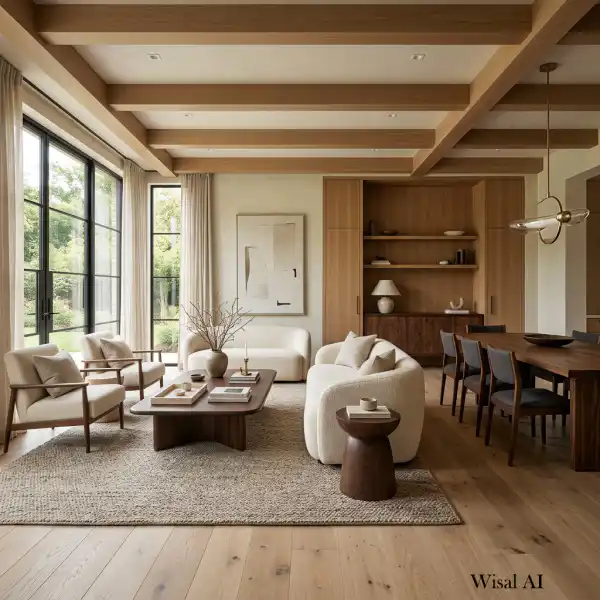
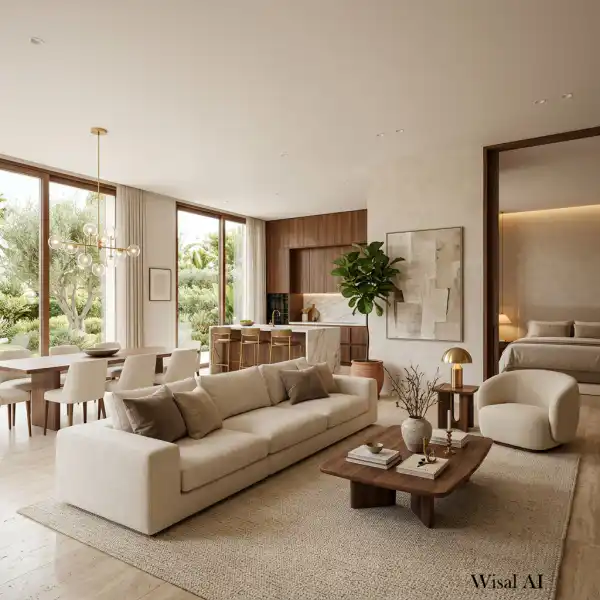
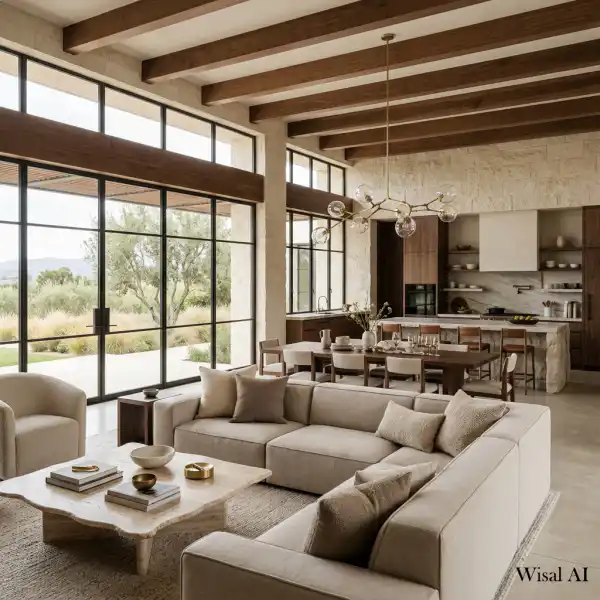
Design is a sensory dialogue between raw structure and refined comfort. In this exclusive collection, we explore the powerful synergy of Industrial Rawness and Rustic Warmth, where exposed brick, steel, and heavy timber meet the richness of burnt orange velvet and warm amber lighting.
This aesthetic is built on honesty and contrast—celebrating imperfections rather than hiding them. It transforms modern loft living into something more emotional and grounded, where double-height spaces, expansive glazing, and raw architectural elements frame interiors that feel both open and intimate.
From graphite fireplaces to biophilic corners that soften concrete and stone, each of these 50+ ideas is designed to reshape how we experience space—not just visually, but emotionally.
Name: Burnt Orange Velvet and Obsidian Stone Hearth Caption: A masterclass in color contrast, this living space features a massive sectional sofa in burnt orange velvet set against a toweringName: Rustic Exposed Brick and Timber Beam Suite Caption: This bedroom sanctuary celebrates raw materiality, pairing a distressed brick accent wall with heavy reclaimed wood ceiling beams and soft,Name: Industrial Loft Glazing and Floor-to-Ceiling Vistas Caption: Utilizing expansive black-framed windows, this design merges the interior's dark industrial tones with the natural landscape,Name: Biophilic Greenery against Charcoal Masonry Caption: Strategic placement of indoor trees against dark grey masonry provides a vital organic contrast, softening the industrial edges of the roomName: Dark Minimalist Kitchen with Warm LED Sculpting Caption: This kitchen concept uses hidden amber LED strips to highlight the grain of dark wood cabinetry and the rich texture of a stone island,Name: Industrial Loft Office with Panoramic Cityscape Caption: A focused workspace designed within the industrial aesthetic, featuring a minimalist black desk against a concrete accent wall,Name: Emerald Velvet Dining with Architectural Lighting Caption: This sophisticated dining area features a dark wood table surrounded by rich emerald green velvet chairs, highlighted by aName: Elevated Master Bedroom with Ambient Sky Glow Caption: A luxurious master bedroom boasting a grand bed, flanked by minimalist bedside tables with integrated lighting. The dark, textured wallsName: Contemporary Industrial Living Room Oasis Caption: An expansive living room designed for comfort and style, featuring a large L-shaped dark sectional sofa adorned with olive green pillows. AName: Dark Marble and Black Fixture Bathroom Retreat Caption: This sleek bathroom combines the raw elegance of a black marble vanity with modern matte black fixtures and a freestanding bathtub.Name: Minimalist Loft Office with Concrete and Wood Caption: A compact yet stylish home office nook featuring a floating dark wood desk, set against a raw concrete wall. A solitary potted plant addsName: Rustic Industrial Lounge with Mountain Vista Caption: This cozy lounge area offers plush burnt orange seating, perfect for relaxation, oriented towards large windows that frame a breathtakingName: Modern Industrial Dining with Geometric Chandelier Caption: A modern dining space featuring a robust dark wood table and chairs, illuminated by a striking geometric chandelier. Exposed brickName: Integrated Industrial Kitchen and Dining Space Caption: A seamless open-plan area combining a sleek dark kitchen with a rustic dining zone. The space is characterized by exposed brick, woodenName: Zen Industrial Bathroom with Natural Elements Caption: This bathroom offers a spa-like experience with a large soaking tub and a walk-in shower. Dark stone textures and subtle lighting create aA vast living area with double-height concrete walls and a massive burnt orange sectional sofa. Features a suspended black metal fireplace and giant floor-to-ceiling windows overlooking a tropicalA cozy sunken seating area lined with dark wood paneling and orange velvet cushions. A central black marble fire pit acts as the centerpiece under industrial track lighting.A sophisticated space with wall-to-wall black bookshelves, a rolling ladder, and two oversized orange leather armchairs facing a rusty-textured accent wall.A sleek media room with matte black acoustic panels, hidden orange LED strips, and low-profile modular seating in charcoal grey with orange throw pillows.A living room that opens entirely to a terrace, featuring dark slate flooring, exposed wooden beams, and a mix of orange fabric and black steel furniture.A grand bedroom with a charcoal grey upholstered bed and burnt orange silk bedding. The headboard wall is made of large oxidized metal plates with warm backlighting.Featuring a low-platform black oak bed, this room has a full glass wall facing dense greenery, contrasted by warm wood ceilings and an orange accent rug.Located on a glass-railed mezzanine, this room features a brick accent wall painted black, orange velvet curtains, and minimalist industrial pendant lights.A blend of industrial and Zen styles, with concrete floors, a floating wooden bed frame, and orange linen textiles. Includes an indoor planter with a large palm tree.Uses black tinted mirrors on the wardrobe doors to reflect the warm orange glow of the bedside lamps and the rich wood textures of the ceiling.A minimalist kitchen with an oversized black marble island. The back cabinets are finished in burnt orange metallic lacquer with integrated black appliances.Features exposed wooden ceiling beams, a black brick backsplash, and reclaimed wood cabinetry. Orange bar stools provide a pop of color against the dark stone countertops.A sleek galley kitchen with charcoal grey cabinetry and a stunning burnt orange/copper leaf backsplash, illuminated by under-cabinet warm LED lighting.An integrated kitchen and dining area with a long dark wood table attached to a black quartz island. The walls feature the same rusty-wood texture from the original image.A ultra-modern kitchen where all appliances are hidden behind matte black panels. The breakfast nook features built-in orange leather seating and a view of the garden.A double-height living room featuring a floor-to-ceiling black natural stone wall with an integrated modern gas fireplace. A massive burnt orange L-shaped sectional sofa sits on a white faux-fur rug,A low-profile platform bed with a dark grey velvet headboard and rust-orange bedding. The accent wall is a mix of dark wood slats and recessed warm amber LED strips, with a panoramic windowA kitchen with matte black marble countertops and dark walnut cabinetry. Under-cabinet lighting highlights a black brick backsplash, complemented by burnt orange velvet bar stools that add a vibrantFloating thick wooden stairs with a seamless glass railing. The side wall is made of rough-textured black stone, illuminated from the floor to emphasize its rugged texture, with large indoor plantsA design focused on charcoal fabric wallpaper and bright orange accent pillows. The ceiling features exposed dark wood beams, and warm ambient light glows from behind large circular mirrors.A comfortable burnt orange leather lounge chair placed next to a built-in library on a charcoal-black wall. A brass floor lamp provides focused light, and heavy dark grey drapes frame a large window.A live-edge natural wood dining table surrounded by burnt orange velvet chairs. A linear modern chandelier hangs low over the table, set against a floor of large-format matte grey porcelain tiles.A freestanding matte black bathtub set against a rugged stone feature wall. The vanities are dark wood with stone vessel sinks, with towels and accessories in burnt orange to break the monochromeA massive, pivot-style dark wood door flanked by a stone wall with vertical light slits. A long burnt orange runner rug leads guests into the home, passing a large mirror with a sleek black metalWalls fully clad in black wooden acoustic panels with hidden amber LED backlighting behind the screen. Deep, oversized floor sofas in burnt orange fabric provide the ultimate comfort for movie nights.A large bedroom with industrial-chic exposed black brick walls. A minimalist platform bed with a dark grey upholstered headboard, burnt orange duvet, and luxurious fur throws. Large floor-to-ceilingA kitchen featuring a monumental island in black marble with subtle white veining, extending to form a waterfall edge. Dark wood cabinetry with integrated handles, a black textured backsplash, andA cozy guest bedroom with an accent wall paneled in dark, rustic wood. The bed features a simple, dark grey frame with crisp white linens and burnt orange throw pillows. A large window offers directA modern floating staircase crafted from dark wood treads, complemented by a minimalist glass railing. The prominent feature is a rugged black stone wall running alongside, dramatically illuminatedA bedroom designed with exposed concrete walls and a dark metal-frame bed. Burnt orange bedding and pillows add a vibrant contrast. A custom-built desk in dark wood with integrated shelving and taskA compact kitchen with high-gloss black cabinets and sleek, dark countertops. A built-in banquette seating area with burnt orange upholstery, tucked neatly under a window. Overhead, a single, modernA bedroom designed in a loft style, with a dark wood staircase leading up to it. Below, a small seating area with a burnt orange armchair. The main bedroom area features a low-profile bed, anA kitchen dominated by a full-height wall of seamless dark wood cabinetry that hides a pantry and integrated appliances. A central island with a black worktop and under-cabinet lighting accentuatingA master bedroom connected to an open-plan bathroom. The sleeping area has a serene, dark grey color scheme with a statement piece of burnt orange artwork above the bed. The bathroom features darkA kitchen designed with dramatic architectural lighting. Linear LED strips are integrated into the dark wood ceiling beams and under the black stone countertops, casting a warm glow. The cabinetry is
Conclusion
In conclusion, interior design goes far beyond selecting furniture or arranging materials—it is the art of shaping emotion within a space. When raw black stone meets warm timber and the vibrant glow of burnt orange, a powerful balance is created between strength and comfort, structure and soul.
True luxury is not about excess; it is about harmony, contrast, and intention. Each of these 50+ industrial rustic concepts demonstrates how thoughtful design can transform a home into a deeply personal experience—one that reflects identity, warmth, and timeless character.
We hope this collection inspires you to see your space differently and begin shaping a home that feels both grounded and elevated.
FAQ
1. What defines industrial rustic interior design?
It is a fusion of raw industrial elements like metal and concrete with the warmth of rustic materials such as wood, leather, and earthy tones.
2. How can I add burnt orange to my interior design?
You can introduce burnt orange through accent walls, velvet furniture, cushions, rugs, or ambient lighting.
3. Is industrial rustic design suitable for small spaces?
Yes, when balanced properly with warm lighting and minimal clutter, it can make small spaces feel cozy and stylish.
4. What materials work best in this style?
Exposed brick, reclaimed wood, black steel, concrete, and textured fabrics like linen and velvet.
5. Why is contrast important in this design style?
Because the essence of industrial rustic design lies in balancing raw, rugged textures with soft, warm elements to create visual and emotional depth.