A small bedroom doesn't have to feel cramped or restrictive. In fact, some of the most beautiful bedrooms are also the most compact because every design decision has been carefully planned. The secret isn't adding square footage it's making the most of the space you already have. Professional interior designers use a variety of visual techniques to create the illusion of a larger room. From strategic furniture placement and thoughtful lighting to carefully chosen colors and smart storage solutions, these design principles can dramatically change how spacious a bedroom feels without the need for expensive renovations or structural changes. Whether you're decorating a small apartment bedroom, a guest room, or a cozy primary suite, learning how to maximize visual space can completely transform your home's comfort and style. Even simple adjustments like repositioning furniture, hanging curtains higher, or reducing clutter can make an immediate difference. In this guide, you'll discover how to make your bedroom look bigger without moving walls. These practical ideas are easy to apply, budget-friendly, and inspired by the same techniques used by professional interior designers to create bright, open, and luxurious interiors.
1. Choose Light Colors to Open Up the Space
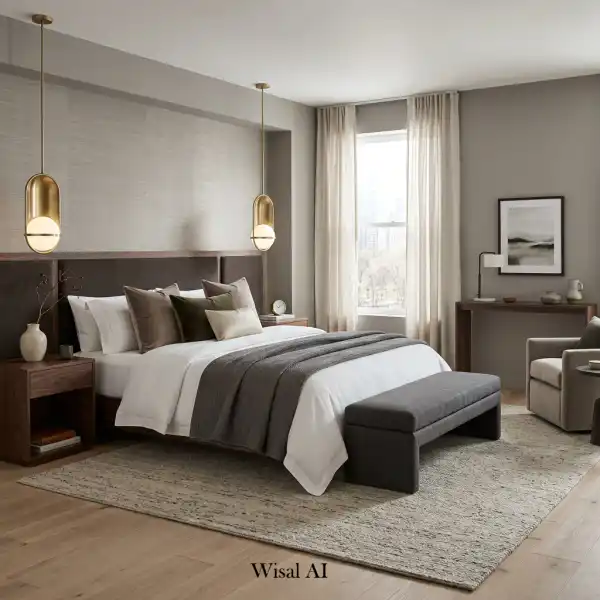
Color has one of the biggest impacts on how large a room appears. Light shades naturally reflect more light, making walls seem farther apart and creating an airy atmosphere. That's why designers often recommend whites, warm ivory, soft beige, pale gray, greige, or light taupe for smaller bedrooms. Using a consistent color palette across the walls, ceiling, bedding, and large furniture pieces also helps the eye move smoothly throughout the room. When there are fewer sharp color contrasts, the space feels more connected and visually expansive. If you want to introduce darker accents, do so sparingly through decorative pillows, artwork, or lighting fixtures rather than large furniture pieces. A bright, cohesive palette instantly gives the impression of a larger, more welcoming bedroom.
2. Select Furniture That Fits the Room's Proportions
Oversized furniture can quickly overwhelm a small bedroom. Even if each piece is beautiful on its own, a room filled with bulky furniture feels crowded and difficult to navigate. Instead, choose furniture that matches the scale of the room. Platform beds with slim frames, floating nightstands, narrow dressers, and streamlined wardrobes occupy less visual space while still providing excellent functionality. Furniture with exposed legs is another excellent choice because it allows you to see more of the floor beneath, creating the illusion of openness. Remember, leaving breathing room around furniture often makes a bedroom feel larger than filling every available inch.
3. Position the Bed to Maximize Floor Space
The bed naturally becomes the focal point of the bedroom, but its placement also affects how spacious the room feels. Whenever possible, position the bed against the longest uninterrupted wall and leave comfortable walking space on both sides. Avoid blocking windows or forcing narrow pathways that interrupt the room's flow. If your bedroom is especially compact, consider placing the bed slightly closer to one wall to create a wider walkway on the opposite side. The goal is to create an arrangement that feels balanced while preserving as much visible floor space as possible.
4. Use Mirrors to Reflect Light and Create Depth
Mirrors are among the oldest and most effective interior design tricks for making a room feel larger. A large mirror opposite or adjacent to a window reflects natural light throughout the room, instantly brightening the space while creating the illusion of additional depth. Full-length mirrors also visually extend vertical lines, making ceilings appear taller and walls feel farther apart. Whether mounted above a dresser, leaned casually against a wall, or incorporated into wardrobe doors, mirrors add elegance while dramatically increasing the sense of openness.
5. Keep Clutter Out of Sight with Smart Storage
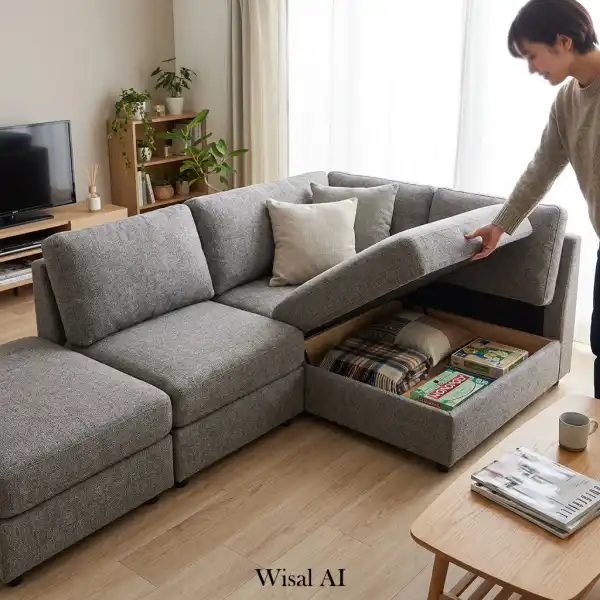
Clutter makes any room feel smaller, regardless of its actual dimensions. Instead of displaying everything on open surfaces, use storage solutions that keep everyday items organized and hidden. Under-bed storage boxes, built-in wardrobes, floating shelves, storage benches, and multifunctional furniture all help reduce visual noise. Keeping bedside tables clean and limiting decorative accessories also contributes to a calmer, more spacious atmosphere. When surfaces remain tidy, the room immediately feels brighter, larger, and more relaxing.
6. Hang Curtains Higher Than the Windows
One of the simplest tricks professional interior designers use to make a bedroom look bigger is installing curtain rods much higher than the actual window frame. Instead of mounting the rod directly above the window, place it several inches below the ceiling or even just beneath the crown molding. This simple adjustment creates the illusion of taller walls and higher ceilings. Choose curtains that extend all the way to the floor, even if the window itself is much shorter. Long, flowing curtains naturally draw the eye upward, making the room feel grander and more elegant. Floor-length panels also add softness and luxury that shorter curtains simply cannot achieve. Lightweight fabrics such as linen, cotton blends, or sheer drapes allow natural sunlight to pass through while maintaining privacy. If additional darkness is needed for sleeping, pair sheer curtains with blackout panels in similar neutral colors. Avoid heavy patterns or overly dark fabrics in smaller bedrooms, as they can visually shrink the space. Instead, select whites, creams, soft grays, or warm beige tones that blend seamlessly with the walls and create a continuous visual flow. This inexpensive upgrade often makes one of the biggest differences in how spacious a bedroom feels.
7. Keep the Floor as Visible as Possible
Visible floor space has a surprisingly powerful effect on how large a bedroom appears. The more uninterrupted flooring you can see, the more open the room will feel. Choose furniture with raised legs whenever possible. Beds, dressers, benches, and nightstands that sit several inches above the floor expose more flooring, allowing light to travel underneath and creating a lighter visual appearance. Avoid storing unnecessary boxes, baskets, or miscellaneous items around the room. Even if they're neatly organized, excessive objects covering the floor reduce the feeling of openness. If you use an area rug, choose one that fits properly beneath the bed rather than covering nearly every inch of the room. Leaving portions of the flooring visible around the edges creates balance while helping define the sleeping area. Keeping the floor clear also improves daily functionality and makes cleaning much easier.
8. Add Layered Lighting Instead of Relying on One Fixture
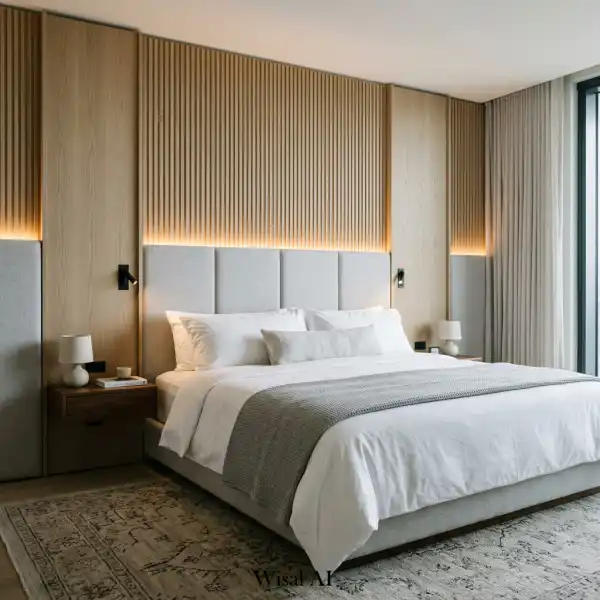
Lighting can completely change the perception of space. Many small bedrooms rely on a single ceiling fixture that creates harsh shadows and uneven illumination. These dark areas make corners disappear and cause the room to feel smaller than it really is. Instead, layer multiple light sources throughout the room. Combine ceiling lighting with bedside lamps, wall sconces, LED strips behind the headboard, and perhaps a floor lamp in one corner. Warm white bulbs between 2700K and 3000K produce a welcoming glow that softens the room and enhances every surface. Lighting different heights throughout the bedroom also adds visual depth, making the space feel richer and far more inviting than one illuminated from only a single source. Luxury hotels almost always use layered lighting because it creates warmth while visually expanding the room.
9. Decorate with Fewer but Larger Accessories
A common decorating mistake is filling a small bedroom with numerous tiny decorative items. Multiple small picture frames, candles, figurines, and accessories can quickly make shelves and surfaces feel cluttered. Instead, choose fewer decorative pieces with greater visual impact. One oversized artwork above the bed often looks much more elegant than an entire gallery wall filled with small frames. Similarly, one beautiful ceramic vase or sculptural lamp creates a stronger statement than several unrelated accessories scattered throughout the room. This principle allows the eye to focus naturally while making the bedroom feel calmer, cleaner, and significantly more spacious. Quality always has a greater impact than quantity.
10. Choose Multi-Functional Furniture
Every piece of furniture should work as efficiently as possible, especially in compact bedrooms. Storage beds with built-in drawers eliminate the need for extra cabinets. Benches at the foot of the bed can store blankets while providing comfortable seating. Floating nightstands free up floor space while still offering convenient storage. Some wardrobes even include integrated mirrors, reducing the need for additional furniture. When one item performs multiple functions, the bedroom remains uncluttered without sacrificing comfort or practicality. This approach is particularly valuable in apartments and smaller homes where every square foot matters.
11. Create Vertical Interest Instead of Horizontal Clutter
When floor space is limited, think upward. Vertical design naturally draws attention toward the ceiling, making the room feel taller and more spacious. Install floating shelves above dressers, use tall bookcases instead of wide cabinets, or incorporate vertical wall paneling behind the bed to emphasize height. Artwork arranged vertically rather than horizontally also encourages the eye to travel upward. Tall indoor plants, elongated mirrors, and slim pendant lighting all reinforce the same effect. Professional designers often use vertical elements because they visually stretch the room without occupying additional floor space.
12. Maintain a Consistent Design Style Throughout the Room
Mixing too many colors, materials, or furniture styles can make even a large bedroom feel visually chaotic. Instead, choose one consistent design direction and allow every element to support it. Whether your style is modern, Scandinavian, Japandi, minimalist, or contemporary, repeating similar colors, finishes, and materials throughout the room creates harmony. For example, if your furniture features warm oak wood, continue that warmth through picture frames, shelves, and decorative accessories. Consistency reduces visual interruptions, helping the entire bedroom feel larger and more cohesive. Luxury interiors rarely rely on dramatic contrasts—they achieve elegance through thoughtful coordination.
13. Let Natural Light Become the Main Feature
Natural light is one of the most valuable design elements in any bedroom. Avoid placing tall wardrobes, shelving units, or large decorative pieces directly in front of windows. Keep windows as open as possible during the day so sunlight reaches every corner of the room. Reflecting daylight with mirrors, glossy finishes, and light-colored fabrics further increases brightness. A naturally bright bedroom almost always feels larger than an identical room with poor lighting. If privacy is important, choose sheer curtains that soften sunlight without blocking it entirely. The more daylight you preserve, the more open your bedroom will appear.
14. Simplify the Color Palette
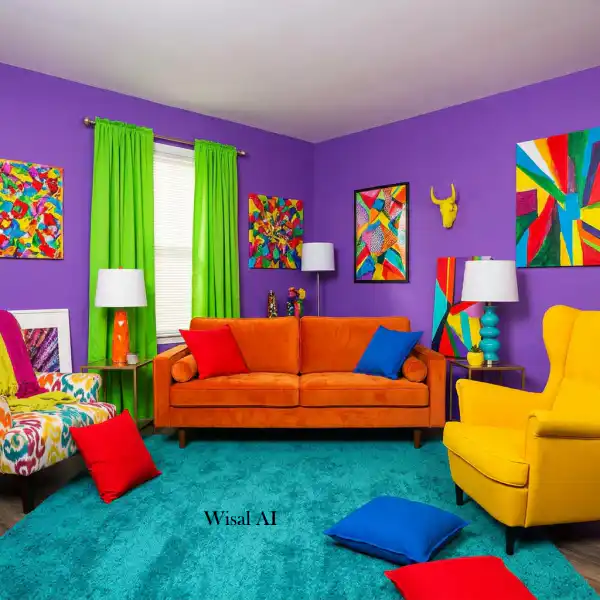
Every additional color introduces another visual boundary. Using too many colors can unintentionally divide the room into separate sections, making it appear smaller. Instead, build your bedroom around two or three complementary colors. Soft white walls, beige bedding, light oak furniture, and subtle black accents create an elegant palette that's both timeless and visually expansive. Repeating these colors across furniture, textiles, rugs, and accessories establishes continuity. This cohesive approach allows the room to feel peaceful while emphasizing its available space.
15. Edit the Room Regularly
One habit shared by beautifully designed bedrooms is regular editing. Rather than continuously adding decorative items, periodically remove anything that no longer serves a purpose. Ask yourself whether each object contributes to the room's comfort, beauty, or functionality. If the answer is no, consider relocating it elsewhere in your home. Refreshing bedding seasonally, organizing storage, clearing nightstands, and simplifying decorative displays helps maintain the spacious feeling you've worked to create. A well-designed bedroom is never defined by how much it contains it is defined by how intentionally every item has been chosen. Over time, these small improvements create a room that feels brighter, larger, calmer, and significantly more luxurious.
Conclusion
Making your bedroom look bigger doesn't require expensive remodeling or knocking down walls. In most cases, the biggest transformation comes from thoughtful design choices rather than structural changes. Light color palettes, properly scaled furniture, strategic mirror placement, layered lighting, smart storage, and uncluttered surfaces all work together to create the illusion of a much larger room. Small details also have a remarkable impact. Hanging curtains closer to the ceiling, choosing furniture with exposed legs, maximizing natural light, and maintaining a consistent design style can completely change how spacious your bedroom feels. Even simply removing unnecessary décor often makes the room appear brighter and more open. The goal isn't to fill every corner it's to create balance, improve flow, and allow each design element to breathe. By focusing on quality over quantity and making intentional decorating decisions, you can transform even the smallest bedroom into a stylish, comfortable retreat that feels far larger than its actual size. With these professional interior design techniques, your bedroom can become a space that feels open, elegant, and inviting every single day.
FAQs
1.How can I make my bedroom look bigger without remodeling?
Use light colors, add mirrors, maximize natural light, keep clutter hidden, choose furniture with exposed legs, and hang curtains higher than the windows.
2.What colors make a small bedroom appear larger?
White, ivory, beige, greige, soft gray, and other light neutral shades reflect more light and visually expand the space.
3.Do mirrors really make a bedroom look bigger?
Yes. Mirrors reflect light and create visual depth, making bedrooms feel brighter, wider, and more open.
4.What type of furniture is best for a small bedroom?
Choose streamlined, multi-functional furniture with slim profiles and raised legs to maximize both floor space and storage.
5.Should I use large or small décor in a compact bedroom?
A few larger decorative pieces usually create a cleaner and more spacious look than many small accessories.
6.What's the biggest mistake when decorating a small bedroom?
Overcrowding the room with oversized furniture, excessive décor, and poor storage solutions, which makes the space feel cramped and visually cluttered.