A well-chosen rug does far more than add softness underfoot—it helps define a room, creates visual balance, and ties furniture together into one cohesive design. While homeowners often spend weeks choosing the perfect sofa, dining table, or bed, many underestimate the importance of selecting the correct rug size. In reality, even the most beautiful rug can make a room feel awkward if it's too small or unnecessarily overwhelming if it's too large. Professional interior designers understand that a rug acts as the foundation of a room. It establishes the furniture layout, creates clear boundaries between functional areas, and introduces warmth, texture, and color. When the size is correct, the entire room feels more spacious, organized, and luxurious. When the size is wrong, furniture appears disconnected, proportions feel unbalanced, and the room can seem smaller than it actually is. Every room has different requirements. A living room rug should anchor the seating area, while a dining room rug must comfortably accommodate chairs even when they're pulled out. Bedroom rugs should add softness where it's needed most, and hallway runners should improve both comfort and visual flow without blocking movement. Understanding these differences allows you to make confident design decisions that enhance every room in your home. In this guide, you'll learn how to choose the right rug size for every room using professional interior design principles. These practical tips will help you select rugs that improve proportion, create harmony, and make every space feel beautifully finished.
1. Understand the Purpose of the Rug Before Choosing Its Size
Before measuring your room or shopping for a new rug, ask yourself one important question: What job should the rug perform? Interior designers never choose a rug based solely on color or pattern. Instead, they first determine its purpose within the room. A rug can define a seating area, separate an open-concept space into functional zones, soften hard flooring, improve acoustics, or simply add warmth and texture. For example, in a living room, the rug acts as the visual anchor that connects the sofa, chairs, and coffee table into one unified arrangement. In a bedroom, its primary role is providing softness underfoot when getting in and out of bed. In a dining room, it creates a dedicated eating area while protecting the floor beneath the table. When you understand the rug's function first, choosing the correct size becomes much easier because you'll know exactly which furniture should sit on it. Professional designers always allow function to guide decoration not the other way around.
2. Never Choose a Rug That's Too Small
The most common decorating mistake homeowners make is purchasing a rug that's too small. A small rug often floats in the center of the room without connecting to the surrounding furniture. As a result, the entire layout feels disconnected, making even expensive furniture appear randomly placed. Instead, choose the largest rug your room can comfortably accommodate. In living rooms, the front legs of the sofa and chairs should ideally rest on the rug. In larger rooms, placing all furniture completely on the rug creates an even more luxurious appearance. A larger rug visually expands the room because it unifies the furniture arrangement instead of breaking it apart. Many people hesitate to buy a larger rug because of the additional cost, but professionally designed interiors almost always prioritize generous rug proportions. When in doubt, size up rather than down.
3. Leave a Consistent Border Around the Edges
Although larger rugs generally work better, they should not completely cover the floor. Interior designers usually leave a visible border of flooring around the edges of the room to frame the rug beautifully. In most spaces, leaving approximately 12 to 24 inches (30–60 cm) of exposed flooring around the perimeter creates balanced proportions. Smaller rooms may require slightly narrower borders, while larger rooms often benefit from wider margins. This visible flooring helps define the rug as part of the overall design rather than making it appear like wall-to-wall carpeting. Consistent borders also improve visual symmetry, especially in bedrooms and formal living rooms. Maintaining equal spacing around the room contributes significantly to a clean, organized appearance.
4. Match the Rug to the Furniture Layout
A rug should support the furniture arrangement—not compete with it. Before purchasing any rug, arrange the furniture first. Measure the seating area, dining table, or bed placement so the rug complements the existing layout. Avoid selecting a rug simply because it matches your favorite color. Instead, think about how the rug will visually connect every piece of furniture. Coffee tables should comfortably sit on the rug, dining chairs should remain on the rug when pulled out, and bedroom rugs should extend beyond the sides of the bed to provide comfortable walking surfaces. The rug should always reinforce the furniture arrangement rather than appearing as an unrelated decorative accessory.
5. Choose the Right Rug Size for Living Rooms
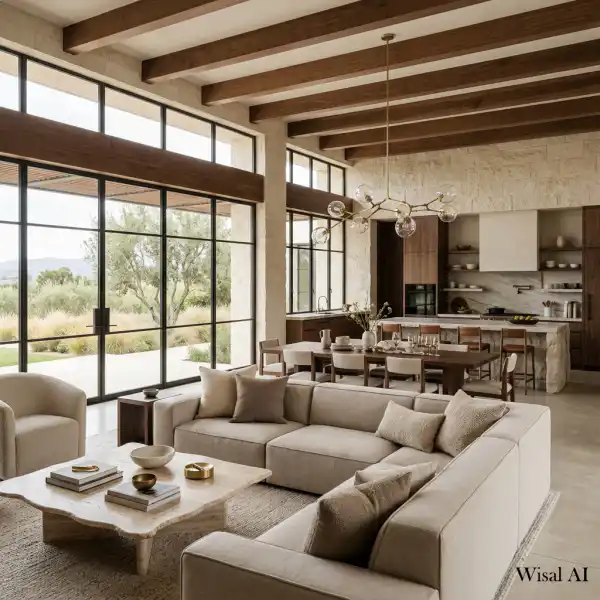
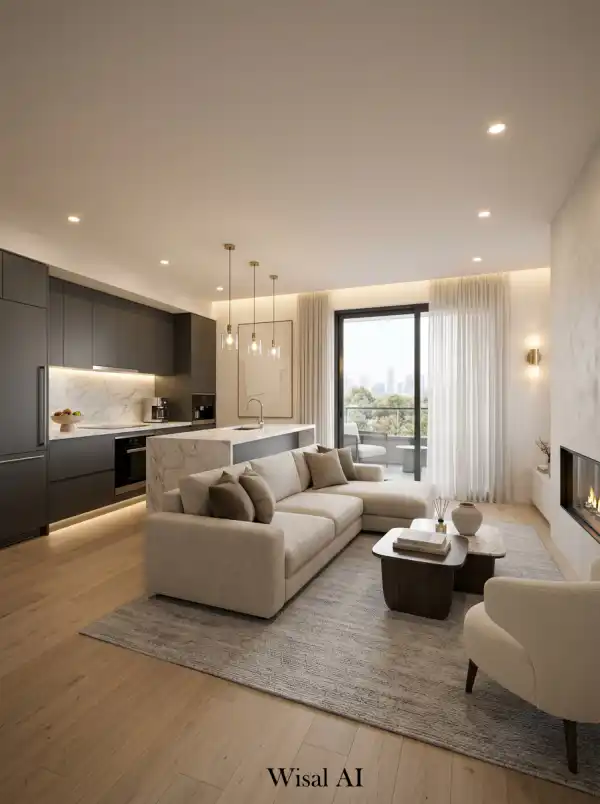
The living room is where rug size has the greatest impact. A properly sized rug anchors the entire seating arrangement and immediately makes the room feel larger. There are three common layouts that professional designers use: Large rooms: All furniture sits completely on the rug. Medium rooms: Only the front legs of sofas and chairs rest on the rug. Small rooms: At minimum, the coffee table and front legs of the main seating should be positioned on the rug. Avoid placing only the coffee table on a small floating rug while leaving every chair completely off the rug. This creates one of the most noticeable decorating mistakes in interior design. A generously sized living room rug creates visual unity while making conversations areas feel intentional, comfortable, and professionally planned.
6. Select a Rug That Extends Beyond the Bed
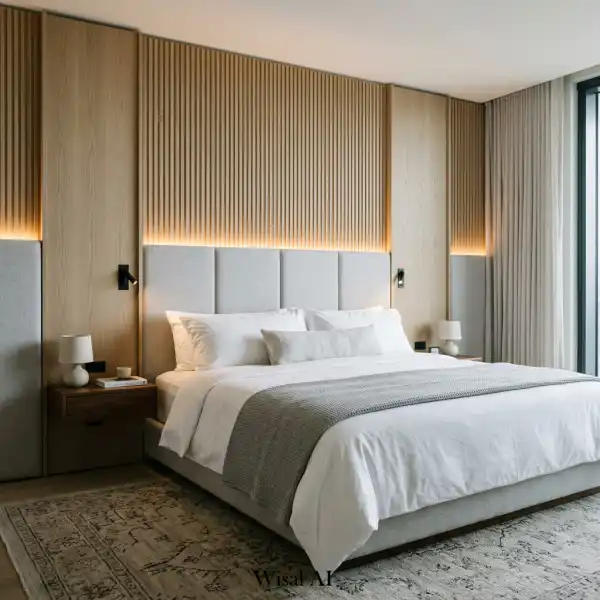
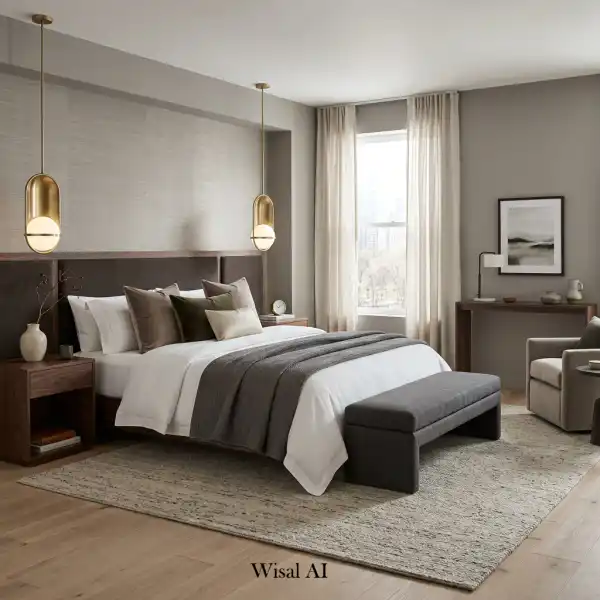
The bedroom should feel warm and comfortable from the moment you step out of bed, and the rug plays a major role in creating that experience. Professional designers rarely choose a rug that's smaller than the bed itself. Instead, they select one that extends beyond both sides and the foot of the bed. This creates a balanced appearance while providing a soft surface where your feet naturally land each morning. For queen and king-size beds, the rug should remain visible around the perimeter of the bed rather than disappearing underneath it. In larger bedrooms, placing the nightstands on the rug creates an even more luxurious, hotel-inspired look. In smaller bedrooms, it's perfectly acceptable for only the lower two-thirds of the bed to sit on the rug. Another option is to use two matching runners placed on either side of the bed. This works especially well in compact rooms where a large area rug isn't practical. No matter which layout you choose, avoid tiny rugs that barely extend beyond the foot of the bed. They tend to make the entire bedroom feel visually disconnected. A properly sized bedroom rug makes the room feel warmer, more inviting, and significantly more luxurious.
7. Make Sure Dining Chairs Stay on the Rug
Dining rooms have one simple rule that professional designers never ignore: Every chair should remain on the rug, even when pulled away from the table. Many homeowners purchase a rug that's only slightly larger than the dining table. While this may look acceptable when the chairs are tucked in, the moment someone sits down and pulls out a chair, the back legs slide off the rug. This creates an unstable seating experience while also making the room appear poorly planned. Choose a rug that extends well beyond all four sides of the dining table. This allows guests to move their chairs naturally without catching the rug's edge. Round tables generally pair best with round rugs, while rectangular dining tables typically look most balanced on rectangular rugs. The rug should visually frame both the table and chairs as one complete dining area. When properly sized, it creates an elegant setting that feels carefully designed and comfortable for everyday meals as well as special occasions.
8. Use Runners to Improve Narrow Spaces
Hallways, entryways, kitchens, and long corridors benefit greatly from runner rugs. Instead of covering the entire floor, runners guide movement through the home while adding warmth and texture. Choose a runner that leaves visible flooring along both sides. This border prevents the hallway from feeling cramped while framing the rug beautifully. The runner should also stop several inches before reaching each doorway rather than extending wall to wall. In kitchens, runners work especially well in front of sinks or islands where people spend the most time standing. Soft, durable materials improve comfort while protecting flooring in high-traffic areas. Professionally placed runners make transitional spaces feel more finished while improving the visual flow between rooms.
9. Consider Room Shape Before Rug Shape
Not every room requires a rectangular rug. Professional designers carefully evaluate the architecture before choosing a rug shape. Rectangular rugs remain the most versatile because they complement most furniture layouts. However, round rugs work beautifully beneath round dining tables, in reading corners, beneath circular coffee tables, or inside square rooms where they soften strong architectural lines. Oval rugs can introduce elegance to traditional interiors, while square rugs often suit perfectly symmetrical seating arrangements. Matching the rug shape to the room and furniture layout creates better visual balance than automatically choosing the most common option. The rug should enhance the room's geometry rather than compete with it.
10. Let the Rug Define Open-Concept Spaces
Open-concept homes often combine multiple functional areas within one large room. Without clear visual boundaries, these spaces can feel empty or poorly organized. Area rugs solve this challenge beautifully. Use one rug beneath the living room seating area and another beneath the dining table while maintaining complementary colors, textures, or patterns. Each rug establishes its own functional zone while contributing to the overall harmony of the larger space. Avoid using identical rugs everywhere. Instead, choose designs that coordinate without matching perfectly. This layered approach creates visual organization while allowing each area to maintain its own identity. Professional designers rely heavily on rugs to structure open floor plans without adding physical walls.
11. Think About Furniture Legs, Not Just Floor Coverage
Many homeowners focus only on the amount of floor the rug covers. Professional designers focus on where the furniture legs actually sit. The relationship between furniture and rug determines whether the room feels connected or fragmented. Ideally, major furniture pieces should share a relationship with the rug. At minimum, the front legs of sofas, chairs, or benches should rest comfortably on the rug. In larger spaces, placing all furniture completely on the rug creates an even stronger sense of unity. Floating furniture completely away from the rug often causes the room to feel disconnected regardless of how beautiful the rug itself may be. Furniture placement always comes before decorative patterns.
12. Match Rug Size to Ceiling Height and Room Scale
The proportions of a room influence more than just furniture selection. Ceiling height, architectural details, and overall room dimensions should also guide rug size. Large rooms with high ceilings generally benefit from larger rugs because they visually support the scale of the architecture. Smaller rooms often require carefully proportioned rugs that leave enough visible flooring to maintain openness. Likewise, oversized rugs inside tiny rooms may reduce visual definition, while undersized rugs inside expansive rooms create empty, disconnected areas. Everything should feel balanced. Professional designers constantly evaluate proportion rather than relying on fixed measurements alone.
13. Choose Rug Patterns That Suit the Room Size
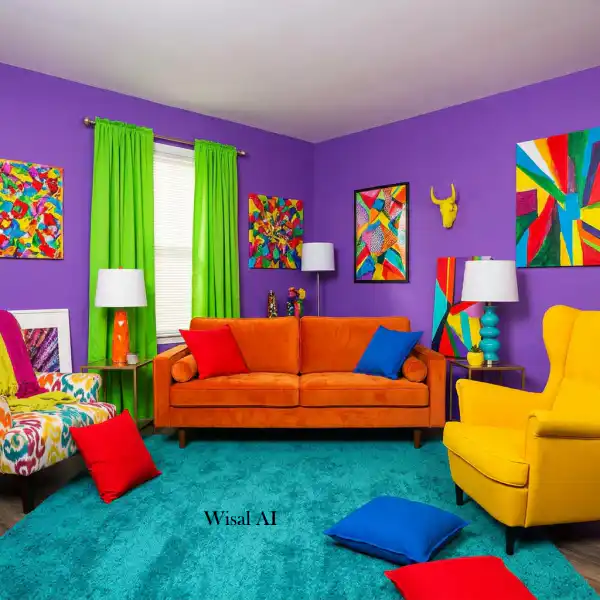
Pattern affects how spacious a room appears. Large bold patterns often work beautifully inside spacious living rooms where they become statement pieces. Smaller rooms generally benefit from subtle textures, understated geometric designs, or low-contrast patterns that don't overwhelm the space. Neutral rugs remain among the safest long-term choices because they coordinate easily with changing furniture and décor. If your furniture already includes strong colors or patterns, a quieter rug usually creates better balance. On the other hand, neutral rooms may benefit from a patterned rug that introduces gentle visual interest. Balance should always guide the final decision.
14. Layer Rugs for Added Depth and Personality
Layering rugs has become one of the most popular techniques used by professional interior designers. Instead of relying on a single rug, combine a large neutral base rug with a smaller decorative rug placed on top. For example, a natural jute rug can serve as the foundation while a patterned wool rug introduces color and texture. This technique works particularly well in living rooms, bedrooms, and reading corners. Layering also allows homeowners to experiment with seasonal colors without replacing the primary rug. Beyond appearance, layered rugs create additional softness while making interiors feel collected rather than purchased all at once. The result is a home with greater warmth, character, and visual depth.
15. Measure Twice Before You Buy
Perhaps the simplest yet most valuable advice professional designers follow is this: Always measure before shopping. Never estimate rug size by memory. Use painter's tape to outline potential rug dimensions directly on the floor before making a purchase. Walk around the taped area, arrange your furniture, and evaluate how the proportions feel. This simple exercise often reveals that a larger rug works much better than originally expected. Measuring first also prevents expensive purchasing mistakes and eliminates unnecessary returns. Professional designers spend considerable time planning layouts before selecting furniture, rugs, or decorative accessories. Careful preparation almost always produces better results than relying on guesswork. The few extra minutes spent measuring can completely transform how successful your finished room feels.
Conclusion
Choosing the right rug size is one of the most important decisions in interior design because it influences how every piece of furniture relates to the room. A well-proportioned rug creates structure, defines functional areas, improves comfort, and helps every space feel more cohesive. Whether you're decorating a living room, bedroom, dining room, or hallway, selecting the proper size allows the rug to support the layout rather than simply filling empty floor space. The most successful interiors always prioritize proportion over decoration. Larger rugs generally create a more luxurious appearance, while thoughtful placement beneath furniture strengthens the overall design. Leaving consistent borders, matching the rug to the room's purpose, and considering both shape and scale all contribute to a home that feels balanced and professionally designed. Remember that a rug isn't just an accessory—it's the foundation that brings an entire room together. By measuring carefully, planning your furniture layout first, and choosing a rug that complements the space, you can create interiors that feel warmer, more organized, and effortlessly elegant for years to come.
FAQs
1. What is the biggest mistake when choosing a rug?
The most common mistake is buying a rug that's too small, leaving the furniture disconnected and making the room feel unbalanced.
2. Should all furniture sit on the rug?
Not always. In many living rooms, having the front legs of sofas and chairs on the rug is enough, while larger rooms often look best with all furniture fully on the rug.
3. How much floor should show around a rug?
Leaving about 12 to 24 inches (30–60 cm) of visible flooring around the edges usually creates balanced proportions, depending on the room size.
4. Can I use a round rug in a square room?
Yes. Round rugs soften straight architectural lines and work especially well beneath round tables or in reading corners within square rooms.
5. Should a dining room rug be larger than the table?
Yes. The rug should extend beyond the table far enough that every chair remains fully on the rug when pulled out.
6. Is it okay to layer rugs?
Absolutely. Layering a decorative rug over a larger neutral base rug adds warmth, texture, and visual depth while creating a more designer-inspired interior.