A well-designed bedroom isn't just about beautiful furniture or stylish décor—it's about how every piece works together. Even the most luxurious bed or expensive dresser can feel out of place if the layout isn't carefully planned. A thoughtful bedroom furniture layout improves comfort, enhances functionality, and creates a space that feels balanced and inviting every day. Whether you're furnishing a spacious primary suite, a compact guest room, or a small apartment bedroom, the right layout can make your room appear larger, brighter, and more organized. It also helps improve traffic flow, maximize storage, and highlight the room's best architectural features. The perfect bedroom layout isn't determined by size alone. Instead, it depends on understanding how you use the room and arranging furniture to support both relaxation and daily routines. From bed placement and nightstand spacing to dresser positioning and seating areas, every decision contributes to the overall feel of the space. In this guide, you'll learn how to choose the perfect bedroom furniture layout, avoid common design mistakes, and create a bedroom that feels both practical and beautifully designed.
1. Start with the Bed as the Main Focal Point
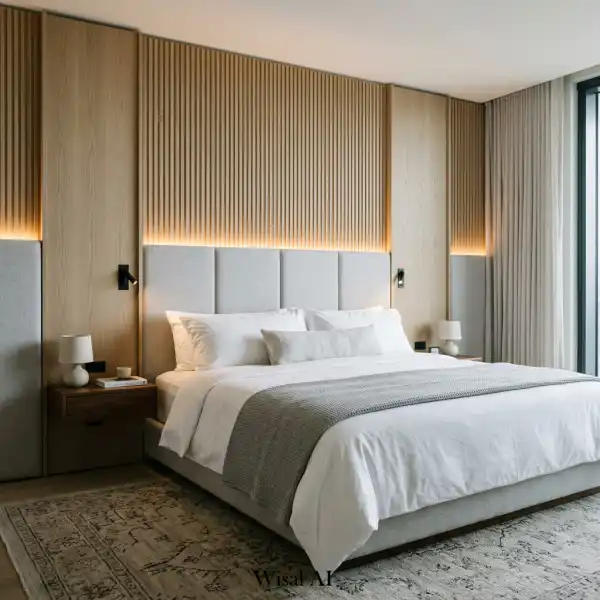
The bed is the largest and most important piece of furniture in any bedroom, so it should always be the starting point when planning the layout. In most rooms, placing the bed against the longest uninterrupted wall creates the strongest visual balance. Whenever possible, position the bed so it's visible immediately after entering the room. This creates an elegant focal point similar to what you'll find in luxury hotels and professionally designed homes. Avoid placing the bed directly in front of the bedroom door if another arrangement is possible. Likewise, try not to block windows unless the room's size leaves no alternative. Once the bed is positioned correctly, arranging the remaining furniture becomes much easier because every other element naturally supports the main centerpiece.
2. Leave Comfortable Walking Space Around the Bed
One of the biggest mistakes in bedroom design is overcrowding the room with furniture. Even beautiful furniture feels uncomfortable if movement becomes difficult. Ideally, leave about 24 to 36 inches (60–90 cm) of walking space along both sides of the bed and at the foot whenever possible. Generous pathways make the bedroom feel larger while improving everyday functionality. You'll appreciate the extra space when making the bed, cleaning, or simply moving around comfortably. If you're working with a smaller bedroom, prioritize maintaining clear walking paths instead of adding unnecessary furniture.
3. Balance the Room with Matching Furniture
Visual balance plays a major role in creating an attractive bedroom layout. Matching bedside tables placed on either side of the bed immediately establish symmetry and make the room feel calm and organized. Complement them with identical table lamps or wall sconces to reinforce the balanced arrangement. Even if every piece doesn't perfectly match, choosing furniture with similar proportions, colors, or materials creates harmony throughout the room. Balanced layouts tend to feel more spacious because the eye naturally flows through the room without distraction.
4. Position Storage Furniture Where It's Most Practical
Dressers, wardrobes, and storage cabinets should support your daily routine without interrupting movement. Place dressers where drawers can open fully without hitting the bed or other furniture. Large wardrobes work best along uninterrupted walls where they don't dominate the room. If your bedroom includes built-in closets, arrange surrounding furniture so closet doors remain fully accessible. Keeping storage near dressing areas also makes everyday organization much more convenient.
5. Consider Natural Light Before Finalizing the Layout
Natural light dramatically influences how a bedroom feels throughout the day. Avoid placing tall wardrobes directly in front of windows because they block sunlight and make the room feel darker. Instead, allow daylight to reach as much of the room as possible. Position mirrors where they can reflect natural light, making the bedroom appear brighter and more spacious. A well-lit room always feels more open than one with identical dimensions but poor furniture placement.
6. Create a Functional Layout Based on How You Use the Room
Before arranging furniture, think carefully about how you actually use your bedroom each day. While sleeping is its primary purpose, many modern bedrooms serve several functions. You may read before bed, work remotely, get ready each morning, relax with a cup of coffee, or even exercise. Instead of filling every corner with furniture simply because there is available space, divide the room into practical zones. Keep the sleeping area centered around the bed, create a dressing area near the wardrobe, and if space allows, dedicate a quiet corner to reading or relaxing. This approach makes the bedroom feel intentional rather than crowded. Every piece of furniture has a purpose, and the room naturally feels more organized. Luxury hotel suites follow this principle exceptionally well. Rather than squeezing in unnecessary furniture, they focus on comfort, functionality, and spaciousness. When every activity has its own place, your bedroom becomes more enjoyable to use throughout the day instead of only at bedtime.
7. Choose Furniture That Fits the Scale of the Bedroom
One of the quickest ways to ruin a bedroom layout is choosing furniture that's either too large or too small. Oversized furniture can overwhelm the room, making movement difficult and creating a cramped appearance. On the other hand, furniture that's too small often makes the room feel unfinished and lacks visual impact. Instead, think about proportion. A king-size bed naturally requires larger nightstands and a wider dresser, while a compact bedroom usually benefits from slimmer furniture with clean lines. Pay attention to ceiling height as well. Tall wardrobes work beautifully in rooms with high ceilings because they emphasize vertical space. In lower rooms, shorter furniture often creates a more open feeling. Maintaining proper scale allows every piece to complement the others, resulting in a balanced and harmonious design.
8. Don't Push Every Piece of Furniture Against the Walls
Many people believe pushing all furniture against the walls automatically creates more space. Surprisingly, the opposite is often true. Leaving small breathing spaces between furniture pieces can make the room feel lighter and more thoughtfully designed. For example, a bench positioned slightly away from the bed or an accent chair placed at an angle creates depth and visual interest. In larger bedrooms, floating furniture arrangements work especially well. A reading chair with a side table placed near a window creates a comfortable retreat without relying on the walls for support. Professional interior designers often use furniture placement to define areas within a room rather than simply filling empty walls. The result is a bedroom that feels curated, spacious, and far more luxurious.
9. Take Advantage of Corners Instead of Leaving Them Empty
Bedroom corners are frequently overlooked, yet they offer valuable opportunities to improve both function and style. A comfortable accent chair instantly transforms an unused corner into a cozy reading nook. A tall indoor plant adds height while bringing natural freshness into the room. Floating corner shelves provide display space without occupying valuable floor area. If storage is limited, a slim corner cabinet can hold decorative objects, books, or everyday essentials while maintaining a clean appearance. Even something as simple as a floor lamp positioned beside an armchair creates a welcoming atmosphere. Instead of allowing corners to feel forgotten, use them to add personality and functionality to the bedroom.
10. Use Mirrors to Expand the Sense of Space
Mirrors are among the most effective design tools for improving a bedroom layout. When positioned thoughtfully, they reflect both natural and artificial light, making the room appear brighter and significantly larger. A full-length mirror leaning against the wall near the wardrobe creates both function and style. Large framed mirrors above dressers add elegance while visually doubling the surrounding space. Avoid placing mirrors where they create visual clutter by reflecting storage or busy shelves. Instead, position them to reflect windows, artwork, or beautiful architectural features. Luxury hotels frequently use mirrors because they instantly increase the feeling of openness without requiring additional square footage.
11. Create a Comfortable Seating Area Whenever Space Allows
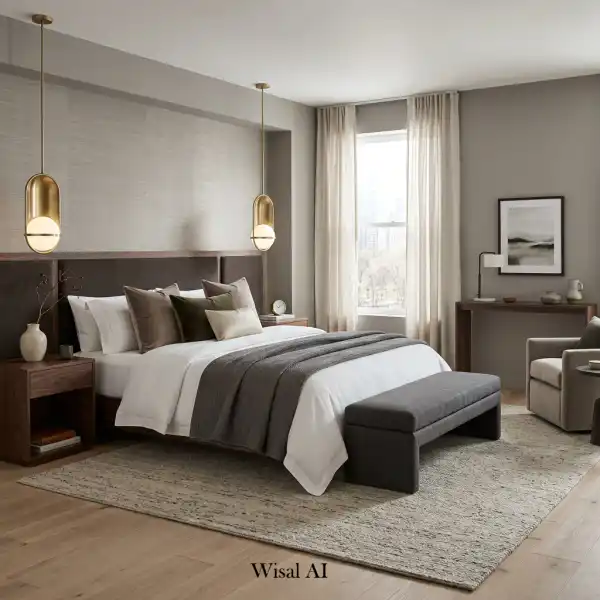
A bedroom becomes much more inviting when it offers somewhere to sit besides the bed. Even relatively small rooms can accommodate a compact accent chair or upholstered stool near a window. Larger bedrooms may include a pair of chairs with a side table, creating an elegant conversation area. Another timeless option is placing a cushioned bench at the foot of the bed. Besides adding visual balance, it provides practical seating while dressing and offers a convenient place for extra blankets or decorative pillows. A thoughtfully designed seating area transforms the bedroom into a true retreat rather than simply a place to sleep.
12. Think About Door and Drawer Clearance
Beautiful furniture placement means very little if doors and drawers cannot open properly. Before finalizing your layout, check that wardrobe doors, dresser drawers, bedside cabinets, and bedroom doors all have enough clearance. Walk through your room as if you're following your daily routine. Can you comfortably open every drawer? Is there enough space to access your closet without moving furniture? These practical considerations often determine whether a layout remains enjoyable for years or becomes frustrating after only a few weeks. Luxury interiors succeed because they combine beauty with effortless functionality.
13. Keep the Layout Simple Instead of Filling Every Empty Space
Many homeowners assume an empty corner means another piece of furniture should be added. In reality, empty space is an important part of good design. Professional designers intentionally leave breathing room throughout a bedroom because it allows the eye to rest and makes the furniture appear more valuable. Instead of adding another cabinet, focus on improving the quality of the furniture you already own. A spacious layout feels calmer, cleaner, and far more luxurious than a room packed with unnecessary pieces. Remember, negative space is a design element not wasted space.
14. Plan for Future Flexibility
Your bedroom needs may change over time, so choose a layout that can adapt easily. Perhaps you'll purchase a larger bed, add a nursery corner, include a home office desk, or simply want to rearrange furniture in the future. Leaving some flexibility in your layout prevents expensive redesigns later. Modular furniture, movable nightstands, lightweight accent chairs, and versatile storage solutions make future adjustments much easier. Designing with flexibility in mind ensures your bedroom continues to meet your needs for years to come.
15. Step Back and Evaluate the Room from Every Angle
Before considering your bedroom complete, spend time viewing it from different perspectives. Stand at the doorway, sit on the bed, relax in the reading chair, and observe the room from each position. Ask yourself simple questions: Does the room feel balanced? Is the bed clearly the focal point? Can you walk comfortably throughout the space? Does natural light reach most of the room? Is every piece of furniture both attractive and useful? Making small adjustments moving a chair a few inches, repositioning a lamp, or shifting a rug can dramatically improve the overall layout. The best bedroom layouts rarely happen by accident. They're refined through careful observation and thoughtful changes until everything feels effortless.
Conclusion
Choosing the perfect bedroom furniture layout is about much more than deciding where the bed should go. A successful layout creates harmony between comfort, functionality, and visual balance, allowing every piece of furniture to serve a purpose while contributing to the overall atmosphere. Start by placing the bed in the strongest focal position, then build the room around it using balanced furniture arrangements, generous walking space, and practical storage solutions. Pay close attention to natural light, room proportions, and the flow of movement so the space feels open rather than crowded. Remember that luxury doesn't come from filling a bedroom with expensive furniture. It comes from thoughtful planning, quality over quantity, and creating an environment that supports both relaxation and everyday living. Whether your bedroom is large or small, modern or traditional, the right furniture layout can completely transform how the space looks, feels, and functions. By applying these design principles, you'll create a bedroom that's not only beautiful but also comfortable, practical, and enjoyable for years to come.
FAQs
1.What is the best position for a bed in a bedroom?
The best position is usually centered on the longest uninterrupted wall, allowing easy access from both sides while creating a strong focal point.
2.How much space should I leave around the bed?
Aim for 24–36 inches (60–90 cm) of walking space around the sides and foot of the bed whenever possible.
3.Should bedroom furniture always match?
Not necessarily. Furniture should complement one another in scale, material, and style, but identical matching sets are no longer required.
4.Can a small bedroom have a seating area?
Yes. A compact accent chair, upholstered stool, or slim bench can provide comfortable seating without overcrowding the room.
5.How do I make my bedroom layout feel larger?
Keep walking paths clear, avoid oversized furniture, maximize natural light, use mirrors strategically, and limit unnecessary décor.
6.What's the biggest bedroom layout mistake?
Overcrowding the room with furniture. Leaving open space creates better flow, improves functionality, and makes the bedroom feel significantly larger and more luxurious.