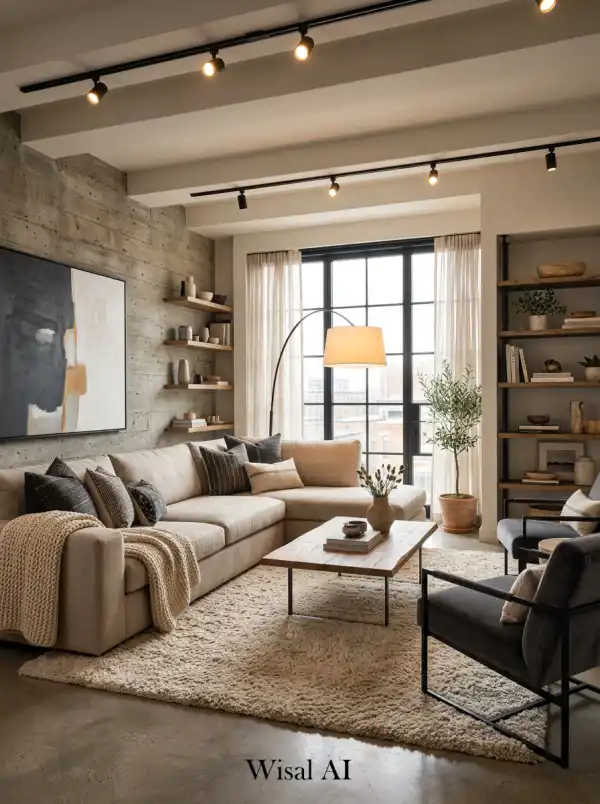
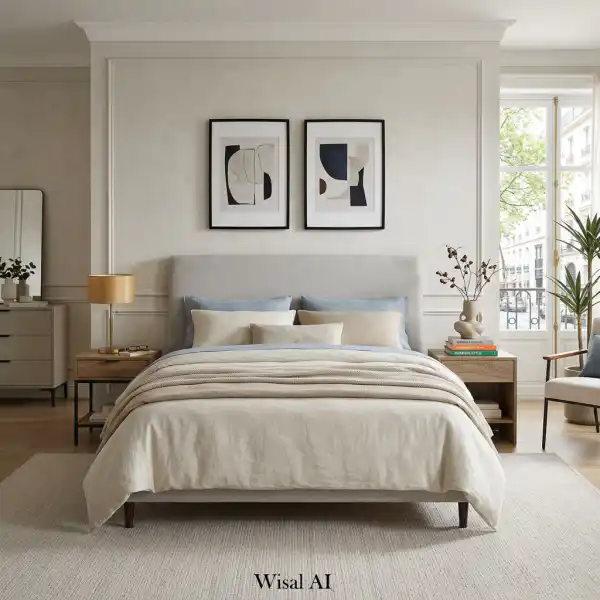
Neutral bathroom design has become one of the most influential directions in modern interior design. In 2026, bathrooms are no longer seen as purely functional spaces used for quick routines—they are now designed as personal wellness environments where calmness, simplicity, and emotional balance take priority. A neutral bathroom is built on the idea of removing visual noise. Instead of strong colors or overwhelming contrasts, it relies on soft, natural tones such as beige, ivory, cream, warm gray, taupe, sand, and off-white. These colors do not compete for attention. Instead, they create a quiet background where materials, lighting, and texture become the real design language. What makes neutral bathrooms so powerful is their psychological effect. Soft tones naturally calm the mind, reduce visual stress, and create a spa-like atmosphere that feels timeless and comfortable. This is why luxury hotels, high-end spas, and modern architectural homes increasingly rely on neutral palettes. However, neutral design is not about being “simple” or “empty.” In fact, the most successful neutral bathrooms are deeply layered. They combine natural stone, wood textures, soft lighting, and matte finishes to create depth without relying on color contrast. In this guide, we will explore 20 Neutral Bathroom Ideas for a Soft Luxury Spa Look, each one showing how subtle variations in tone and material can completely change the atmosphere of a space.
1. Warm Beige Stone Bathroom Serenity
Warm beige stone bathrooms create an immediate sense of natural calmness. The use of stone as a primary material adds organic texture, while the beige tone ensures warmth and softness. This type of bathroom feels like a natural spa environment inspired by desert landscapes and soft earth tones. The texture of stone prevents the design from feeling flat, while beige keeps it visually comforting. When combined with warm lighting, the entire space feels soft, grounded, and timeless. Design Tips: Use beige natural stone tiles Keep surfaces matte and textured Add warm ambient lighting Avoid sharp contrast colors Keep decor minimal and organic
2. Cream and Soft White Luxury Spa Bathroom
Cream and soft white create one of the cleanest and most calming bathroom palettes. This combination is widely used in luxury spas because it creates a bright yet gentle environment. Cream adds warmth and prevents the space from feeling too sterile, while soft white keeps everything fresh and open. The key to this design is layering—without texture, it can feel too flat. Design Tips: Use cream for walls or cabinetry Keep white for sinks and ceramics Add linen or cotton textures Use soft indirect lighting Avoid glossy overpowering finishes
3. Sand Beige and Light Stone Organic Bathroom Design
Sand beige paired with light stone creates a deeply organic bathroom inspired by natural environments. This palette reflects desert landscapes, coastal sand, and soft natural erosion textures. It is ideal for creating a spa-like bathroom that feels connected to nature. Design Tips: Use sand beige tiles Add stone basins or counters Keep finishes natural and raw Use warm diffused lighting Avoid synthetic materials
4. Soft Gray and Ivory Minimal Bathroom Harmony
Soft gray and ivory create a balanced modern bathroom that feels structured but still soft. Gray adds subtle architectural depth, while ivory maintains brightness and clarity. This palette is especially effective in modern apartments where space efficiency and clean aesthetics matter. Design Tips: Use ivory as dominant tone Add soft gray in structure or cabinetry Keep lines clean and minimal Use matte finishes only Maintain soft lighting balance
5. Taupe and Warm White Elegant Bathroom Flow
Taupe and warm white create one of the most elegant neutral bathroom combinations. Taupe introduces depth and sophistication, while warm white keeps the environment light and airy. This palette is often used in boutique hotels and high-end residential bathrooms. Design Tips: Use taupe for main surfaces Add warm white accents Keep materials soft and natural Avoid harsh contrast Use layered lighting
6. Beige and Off-White Spa Inspired Bathroom
Beige and off-white create a soft, continuous flow that feels extremely calming. There is no visual interruption in this palette, which makes it ideal for relaxation spaces. The design focuses more on atmosphere than contrast. Design Tips: Layer different beige tones Use off-white ceramics Add warm indirect lighting Avoid strong shadows Keep decor minimal
7. Warm Gray and Sand Minimal Bathroom Composition
This combination blends warm gray structure with sandy natural tones, creating a balanced and grounded bathroom environment. It feels slightly more architectural but still soft and livable. Design Tips: Use warm gray walls Add sand beige accents Keep finishes matte Use stone textures Maintain soft lighting
8. Ivory and Natural Wood Neutral Bathroom Style
Ivory and natural wood create a perfect balance between softness and organic warmth. Wood introduces texture and life into an otherwise calm palette. This is one of the most popular spa-style combinations today. Design Tips: Use ivory walls Add wooden vanity units Keep materials natural Avoid glossy finishes Use warm lighting
9. Cream Monochrome Layered Bathroom Design
A monochrome cream bathroom focuses entirely on tonal variation rather than contrast. Different shades of cream are layered to create depth. The result is a seamless and highly calming environment. Design Tips: Layer multiple cream tones Focus on texture variation Avoid dark accents Keep lighting soft Maintain consistency
10. Beige and Soft Gray Balanced Spa Bathroom
Beige and soft gray create a perfectly balanced bathroom that feels neither too warm nor too cold. It is one of the most versatile neutral combinations. This palette is ideal for long-term design stability. Design Tips: Use beige as base tone Add gray in structure Keep materials natural Use warm lighting Avoid sharp contrast
11. Soft Gray and Warm Beige Spa Bathroom Balance
Soft gray and warm beige create one of the most emotionally balanced bathroom palettes in modern interior design. This combination works because it avoids extremes. Instead of relying on high contrast or bold visual statements, it builds harmony through subtle tonal transitions. Soft gray introduces a sense of structure and architectural clarity. It feels grounded, stable, and modern, but when softened with warm undertones, it loses its industrial coldness. Warm beige, on the other hand, brings emotional comfort. It is a color associated with skin tones, natural sand, and organic warmth, which makes the space feel human and inviting. When these two tones are layered correctly, the bathroom begins to feel like a calm breathing space. There is no visual pressure, no aggressive contrast—just a soft dialogue between warmth and neutrality. This type of bathroom design is especially effective in modern homes where stress reduction and mental relaxation are priorities. It supports a spa-like atmosphere without needing excessive decoration or luxury materials. Design Strategy: Use soft gray for walls or large architectural surfaces Introduce warm beige in cabinetry or textiles Avoid glossy finishes; prefer matte or natural textures Add warm indirect lighting to soften transitions Keep the palette consistent across all surfaces
12. Ivory and Sandstone Natural Minimal Bathroom
Ivory and sandstone create a bathroom environment that feels deeply connected to nature. This combination is inspired by natural landscapes such as coastal cliffs, desert formations, and ancient stone architecture. Ivory represents purity, light, and openness. It expands the visual perception of space and creates a clean architectural canvas. Sandstone adds depth, texture, and geological character. Unlike artificial finishes, sandstone carries organic imperfections that make the design feel alive and authentic. Together, these materials create a space that feels almost sculptural. The bathroom becomes less of an interior room and more of a natural extension of the environment. This approach is widely used in high-end spa resorts and luxury wellness retreats because it encourages mental stillness and sensory grounding. Design Strategy: Use sandstone tiles or textured wall finishes Keep ivory as the dominant base tone Emphasize natural imperfections in materials Use soft daylight or warm ambient lighting Avoid synthetic or overly polished surfaces
13. Beige Monochrome Layered Luxury Bathroom
A beige monochrome bathroom is built entirely on the concept of tonal layering rather than color contrast. Instead of using multiple different hues, the design focuses on variations within a single color family—ranging from soft cream beige to deeper sand and taupe tones. This creates a highly sophisticated visual rhythm. The eye moves gently across the space without interruption, resulting in a calming and cohesive experience. What makes this approach powerful is its reliance on texture rather than color. Stone, plaster, ceramic, linen, and matte finishes all become essential tools for creating depth. In luxury interior design, monochrome beige bathrooms are often considered the most timeless because they do not follow trends—they rely on natural harmony principles. Design Strategy: Use at least 3–4 shades of beige Layer different textures (stone, fabric, plaster) Keep lighting warm and diffused Avoid black or strong accent colors Focus on continuity across surfaces
14. Cream and Light Oak Scandinavian Spa Bathroom
This combination is one of the most iconic representations of modern Scandinavian spa design. Cream provides a soft luminous background, while light oak wood introduces organic warmth and tactile depth. The key strength of this palette lies in its simplicity. It does not try to impress through complexity, but rather through calmness and natural material honesty. Light oak prevents the cream from feeling too sterile, while cream keeps the wood from becoming visually heavy. Together, they create a balanced environment that feels both fresh and grounded. This design is often used in wellness-focused interiors because it promotes mental relaxation and clarity. Design Strategy: Use cream for walls and ceramic surfaces Introduce light oak in vanities or shelving Keep geometry simple and clean Avoid decorative clutter Use natural or warm LED lighting
15. Off-White and Textured Stone Serenity Bathroom
Off-white paired with textured stone creates a bathroom that feels architectural and emotionally quiet. Unlike smooth modern surfaces, textured stone introduces depth and imperfection, which makes the space feel more natural and grounded. Off-white acts as a soft reflective background that enhances natural light. It is less stark than pure white, which helps maintain warmth and visual comfort. The combination of these two elements creates a spa-like atmosphere where the focus shifts from decoration to material experience. Design Strategy: Use textured stone on feature walls or floors Apply off-white on surrounding surfaces Highlight natural shadows with lighting Avoid overly symmetrical designs Keep accessories minimal
16. Warm Neutral Floating Architecture Bathroom
This concept focuses on spatial lightness. Instead of heavy grounded structures, elements like vanities, storage units, and sinks appear to “float” within the space. Warm neutral tones enhance this effect by softening the architectural structure. The goal is to make the bathroom feel open, airy, and weightless. Floating elements also improve visual flow, especially in smaller bathrooms where floor continuity is important. Design Strategy: Use wall-mounted vanities Maintain visible floor space Keep color palette warm and soft Integrate hidden lighting under elements Avoid bulky storage units
17. Soft Beige and Matte Stone Luxury Bathroom
Soft beige combined with matte stone creates a highly tactile and natural luxury experience. Unlike glossy or reflective surfaces, matte stone absorbs light, giving the bathroom a calm and grounded presence. Beige adds warmth, while stone adds structural authenticity. Together, they create a space that feels both refined and raw at the same time. This design approach is often associated with modern organic luxury interiors. Design Strategy: Use matte stone for walls or floors Introduce beige in cabinetry or textiles Avoid shiny or reflective materials Focus on tactile surfaces Use soft ambient lighting
18. Light Gray and Cream Contemporary Spa Bathroom
Light gray and cream create a balanced contemporary bathroom that feels modern but not cold. Light gray provides subtle architectural definition, while cream softens the entire composition. This palette is highly versatile and works well in both small and large bathrooms. It supports a clean aesthetic while still maintaining emotional warmth. Design Strategy: Use cream as the dominant tone Add light gray in structural areas Keep lines minimal and precise Use layered lighting Avoid high contrast elements
19. Sand Beige and Natural Linen Texture Bathroom
This design concept is deeply rooted in organic living principles. Sand beige represents earth and nature, while linen textures introduce softness and human touch. The bathroom feels almost like a natural retreat rather than a built interior space. This approach prioritizes sensory experience over visual complexity. Design Strategy: Use sand beige as base palette Add linen-inspired textiles Keep finishes raw and natural Avoid synthetic materials Maintain warm soft lighting
20. Perfect Neutral Spa Bathroom Harmony Concept
The final idea represents the ultimate goal of neutral bathroom design: complete harmony between material, light, texture, and space. Instead of focusing on individual elements, the design becomes a unified experience. Every surface contributes to the overall atmosphere rather than standing out on its own. The result is a bathroom that feels timeless, calming, and emotionally restorative. Design Strategy: Combine neutral tones seamlessly Focus on lighting as the main design tool Avoid visual noise or clutter Use natural materials only Maintain spatial balance and flow
Conclusion
Neutral bathroom design is not simply a visual style—it is a design philosophy built around calmness, balance, and timeless simplicity. In a world where interiors are often overloaded with trends, colors, and visual noise, neutral bathrooms offer something increasingly rare: emotional silence. What makes neutral palettes so powerful is their ability to adapt without losing identity. Whether the space is designed with warm beige, soft gray, ivory, cream, taupe, or natural stone tones, the result is always the same—an environment that feels stable, grounded, and deeply relaxing. Unlike bold color schemes that may feel outdated over time, neutral bathrooms remain relevant because they are not driven by trends, but by nature itself. These tones are inspired by sand, stone, wood, light, and organic materials—elements that never lose their aesthetic value. Another important aspect of neutral bathroom design is how it interacts with light and texture. In these spaces, lighting becomes just as important as color. Soft indirect lighting, warm tones, and layered illumination bring depth and atmosphere to even the simplest compositions. Meanwhile, materials like stone, plaster, wood, and matte finishes introduce tactile richness that prevents the design from feeling flat. Ultimately, a neutral bathroom is not about doing less—it is about doing things with intention. Every surface, every material, and every tone has a purpose. The goal is not to impress with complexity, but to create a space that supports daily rituals, relaxation, and mental clarity. This is why neutral bathrooms continue to dominate modern interior design in 2026. They are not just beautiful—they are functional, emotional, and timeless.
FAQ
1. Why are neutral bathrooms so popular in modern interior design?
Neutral bathrooms are popular because they create a calm, timeless environment that feels clean, balanced, and emotionally relaxing. They also work with almost any architectural style.
2. Are neutral bathrooms boring or too simple?
No. When properly designed, neutral bathrooms are highly layered and textured. They rely on materials, lighting, and depth rather than strong colors, which makes them visually rich and sophisticated.
3. What are the best neutral colors for a bathroom?
The most effective neutral colors include beige, warm white, ivory, cream, taupe, soft gray, and sand tones. These colors work well because they feel natural and balanced.
4. How do I make a neutral bathroom feel luxurious?
Luxury in neutral bathrooms comes from materials and lighting. Using natural stone, wood, matte finishes, and layered warm lighting can instantly elevate the space.
5. Do neutral bathrooms work in small spaces?
Yes. Neutral tones actually make small bathrooms feel larger, brighter, and more open by reflecting light and reducing visual clutter.
6. Can I mix different neutral colors together?
Absolutely. Mixing neutrals is actually recommended. Combining beige, gray, ivory, and cream creates depth and prevents the design from feeling flat.
7. What type of lighting is best for neutral bathrooms?
Warm, diffused lighting is best. It enhances soft tones and creates a spa-like atmosphere without harsh shadows or cold effects.
8. Is natural wood suitable in neutral bathrooms?
Yes. Natural wood is one of the best materials to pair with neutral tones because it adds warmth, texture, and organic balance.