Your bedroom should be the most comfortable and relaxing room in your home. It's where you begin each morning and unwind after a long day, making it one of the most important spaces to design thoughtfully. Yet many bedrooms fail to provide the comfort, functionality, and peaceful atmosphere people expect—not because of a lack of budget, but because of common design mistakes that affect both appearance and practicality. A beautiful bedroom is about much more than choosing an attractive bed or a trendy paint colour. Every element, from the furniture layout and lighting to the storage solutions and textiles, plays a role in shaping how the room looks and feels. Even small decisions, such as the size of a bedside table or the placement of a rug, can have a significant impact on everyday comfort. One of the biggest misconceptions in bedroom design is that adding more furniture and decorative accessories automatically creates a luxurious space. In reality, the opposite is often true. Bedrooms that feel calm, organised, and inviting usually follow simple design principles focused on balance, proportion, natural light, quality materials, and thoughtful organisation. Another common mistake is following short-lived trends without considering long-term functionality. Bold colours, oversized furniture, poor lighting, or impractical layouts may look appealing initially but can quickly become frustrating in daily life. Professional interior designers instead prioritise timeless design choices that remain beautiful and functional for years. The good news is that most bedroom design mistakes are surprisingly easy to fix. Small adjustments to furniture placement, lighting, colour palettes, storage, and accessories can dramatically improve both the appearance and usability of your space without requiring a complete renovation. In this guide, we'll explore 15 of the biggest bedroom design mistakes and how to avoid them. Whether you're designing a new bedroom or updating your current one, these practical tips will help you create a room that feels comfortable, elegant, and perfectly suited to everyday living.
1. Choosing a Bed That's Too Large for the Room
The bed is naturally the focal point of every bedroom, but selecting one that's too large is one of the most common design mistakes. An oversized bed can dominate the room, leaving little space for comfortable movement or additional furniture. The result is a cramped layout that feels cluttered rather than luxurious. Before buying a bed, carefully measure your room and leave enough space to walk comfortably on both sides. Ideally, there should be at least 60–75 cm (24–30 inches) of clearance around the bed where possible. Professional designers always prioritise proportion over size. A properly scaled bed makes the entire bedroom feel larger, more balanced, and significantly more comfortable.
2. Ignoring the Importance of Lighting
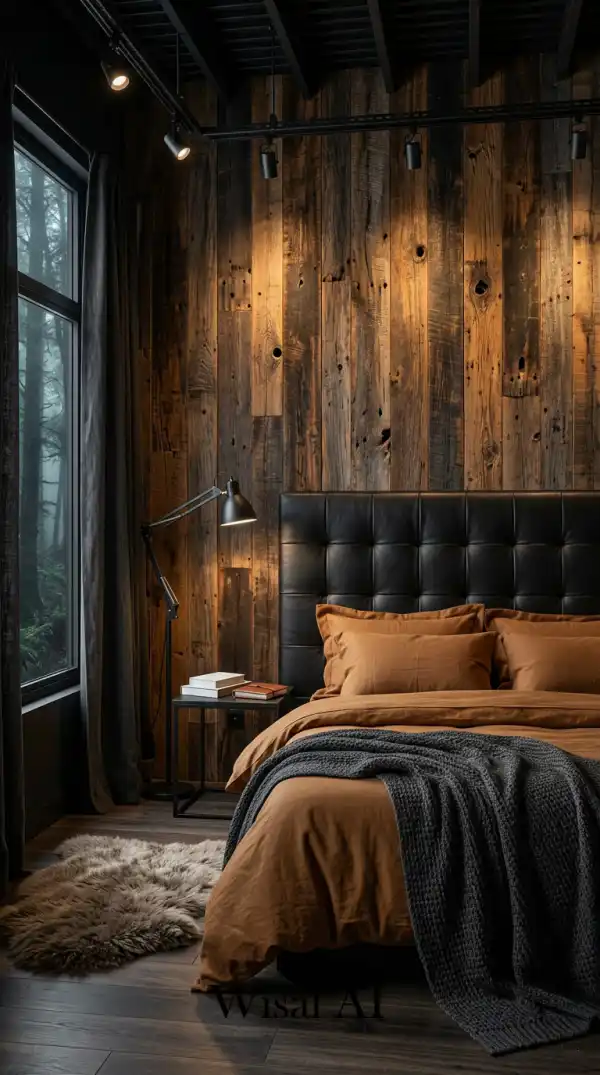
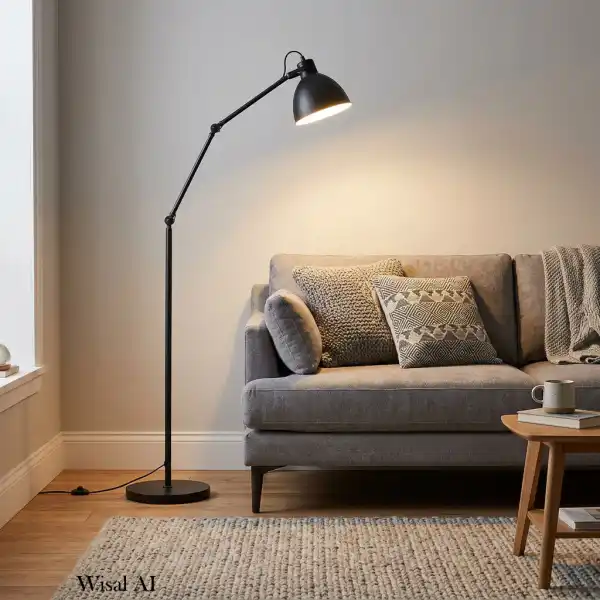
Lighting has a greater influence on a bedroom's atmosphere than almost any other design element. Many bedrooms rely solely on one central ceiling light, creating harsh illumination that feels cold and uninviting. Instead, layer multiple light sources including bedside lamps, wall sconces, pendant lights, floor lamps, and subtle ambient lighting. Warm white bulbs between 2700K and 3000K create a relaxing environment that supports rest and complements soft furnishings beautifully. Professional designers also recommend dimmer switches to adjust lighting throughout the day. Well-planned lighting transforms the bedroom into a calm retreat rather than simply a place to sleep.
3. Using Too Many Bold Colours
Bright colours can add personality, but using too many strong shades often makes a bedroom feel busy rather than peaceful. Bedrooms should encourage relaxation, making softer colour palettes a more practical choice. Warm whites, greige, taupe, soft blues, muted greens, gentle earth tones, and warm neutrals create a calming atmosphere while remaining timeless. Professional designers often introduce colour through cushions, artwork, throws, or decorative accessories instead of large permanent features. A restrained colour palette creates flexibility while helping the room feel larger and more sophisticated.
4. Pushing Every Piece of Furniture Against the Wall
Many homeowners assume that pushing furniture against every wall makes the bedroom feel larger. In reality, this often creates awkward empty spaces in the centre while making the layout feel disconnected. Instead, arrange furniture according to function. Position bedside tables close to the bed, create balanced symmetry where possible, and allow furniture groupings to feel intentional. Professional designers focus on circulation rather than simply maximising empty floor space. A thoughtful layout improves both comfort and visual harmony.
5. Neglecting Bedroom Storage
Clutter quickly ruins even the most beautiful bedroom. Without sufficient storage, clothes, books, accessories, and everyday items accumulate on chairs, dressers, and bedside tables, making the room feel chaotic. Choose wardrobes that maximise vertical space, use under-bed storage where appropriate, and incorporate drawers, baskets, or built-in cabinetry to keep belongings organised. Professional designers believe hidden storage is one of the easiest ways to make a bedroom appear more luxurious. An organised room always feels calmer and more inviting.
6. Hanging Curtains Too Low
Curtains may seem like a small detail, but they have a huge impact on how a bedroom feels. Many people install curtain rods directly above the window frame, which visually shortens the walls and makes the ceiling appear lower. Instead, mount curtain rods as close to the ceiling as possible and let the curtains extend all the way to the floor. Professional designers also recommend extending the rod beyond both sides of the window so the curtains can open fully without blocking natural light. Choose linen or linen-blend fabrics in neutral colours to create a soft, elegant appearance. This simple adjustment instantly makes the room feel taller, brighter, and more luxurious.
7. Choosing the Wrong Rug Size
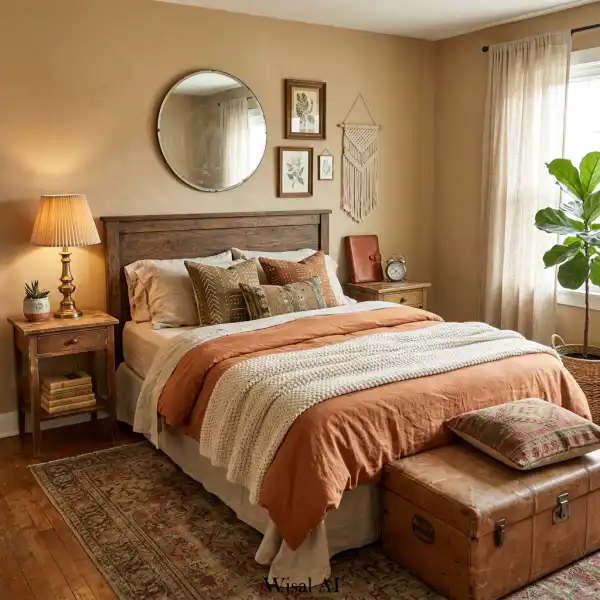
A rug should connect the furniture rather than look like an afterthought. One of the biggest mistakes is selecting a rug that's too small. Tiny rugs make the room feel visually disconnected and can make even expensive furniture look less impressive. Ideally, the rug should extend underneath the lower portion of the bed while reaching beyond both sides. This creates a balanced foundation that anchors the entire room. Soft wool or textured rugs in neutral shades add warmth and comfort while enhancing the overall design. The right rug makes every step out of bed feel more comfortable while improving the room's proportions
8. Overdecorating Every Surface
Luxury bedrooms rarely feel crowded. Many homeowners fill every shelf, dresser, and bedside table with decorative objects, leaving little room for the eye to rest. Professional designers carefully edit accessories, displaying only a few meaningful pieces such as ceramic vases, candles, framed artwork, or fresh flowers. Leaving empty space allows each decorative object to stand out while making the room feel organised and intentional. Remember, luxury often comes from restraint rather than abundance.
9. Forgetting to Create a Focal Point
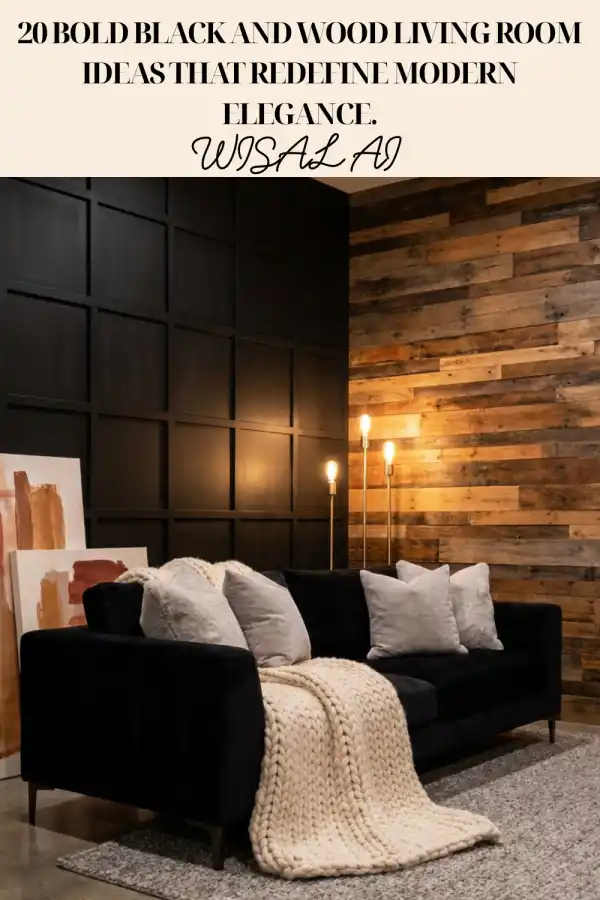
Every bedroom should have one feature that immediately draws attention. Usually, this is the bed and its headboard. However, without thoughtful styling, the room can feel flat and lacking in character. A statement headboard, textured wall panelling, oversized artwork, elegant wallpaper, or feature lighting behind the bed creates a clear focal point. Professional designers build the rest of the room around this feature, ensuring every element supports the overall composition. A strong focal point gives the bedroom identity and visual balance.
10. Ignoring Layered Textures
Even neutral bedrooms can feel dull if every material looks the same. Layer linen bedding, knitted throws, velvet cushions, wool rugs, upholstered benches, woven baskets, and natural wood furniture to introduce depth and warmth. Professional designers rely on texture rather than bold colours to create visual richness. Mixing smooth, soft, and natural surfaces makes the bedroom feel comfortable while adding subtle sophistication. Texture transforms a simple bedroom into one that feels professionally designed.
11. Using Furniture That Doesn't Match the Scale
Scale matters just as much as style. Oversized wardrobes in compact rooms or tiny bedside tables beside a large bed create visual imbalance. Professional designers carefully consider the proportions of every furniture piece in relation to both the room and the surrounding furniture. Instead of buying furniture individually, think about how each piece works together. Balanced proportions create harmony and improve the room's functionality.
12. Blocking Natural Light
Natural light makes bedrooms feel healthier, brighter, and more spacious. Avoid placing tall wardrobes directly in front of windows or filling windowsills with large decorative objects that block sunlight. Choose light-coloured curtains and reflective finishes that help distribute daylight throughout the room. Professional designers position mirrors opposite or adjacent to windows to bounce light deeper into the space. Maximising daylight creates a fresher and more relaxing environment.
13. Ignoring Personal Comfort
A bedroom should support your daily routine—not just look good in photographs. Choosing a mattress based solely on price, buying decorative cushions that constantly need moving, or selecting uncomfortable seating often reduces everyday comfort. Professional designers always prioritise practical living alongside aesthetics. Comfortable bedding, supportive seating, quality pillows, and soft textiles create a room you'll genuinely enjoy spending time in. True luxury begins with comfort.
14. Following Every Design Trend
Trends change quickly, but bedrooms should remain timeless. Highly fashionable colours, novelty furniture, or overly themed décor may feel exciting initially but often become dated within a few years. Professional designers recommend building the room around classic furniture, neutral colours, and quality materials, then introducing trends through accessories that are easy to replace. This approach keeps the room feeling current without requiring frequent renovations. Timeless design always offers better long-term value.
15. Skipping the Final Editing Process
One of the biggest differences between professionally designed bedrooms and ordinary ones is editing. Once everything is in place, step back and evaluate the room objectively. Remove unnecessary furniture, simplify decorative displays, organise visible surfaces, and ensure every item serves a purpose. Professional designers regularly refine layouts several times before considering a room complete. Editing creates visual clarity while allowing the room's best features to shine. Sometimes removing one item improves the space more than adding three new ones.
Conclusion
A beautiful bedroom is created through thoughtful decisions rather than expensive purchases. By avoiding common design mistakes such as poor lighting, oversized furniture, cluttered layouts, weak storage solutions, and mismatched proportions, you can transform your bedroom into a space that feels calm, functional, and timeless. Small improvements—like raising curtain rods, introducing layered textures, choosing the correct rug size, and maximising natural light—often have a greater impact than major renovations. Professional interior designers focus on creating bedrooms that support everyday life while maintaining a refined appearance. They carefully balance comfort with style, use high-quality materials, embrace neutral colour palettes, and eliminate unnecessary clutter. These principles ensure that a bedroom not only looks beautiful but also feels relaxing and practical every day. Ultimately, the best bedroom is one that promotes better sleep, reduces stress, and reflects your personal style without sacrificing functionality. By avoiding these 15 common mistakes and applying timeless design principles, you can create a bedroom that feels more spacious, organised, welcoming, and effortlessly elegant for years to come.
FAQs
1. What is the biggest bedroom design mistake?
Choosing furniture that is too large for the room is one of the most common mistakes. Oversized furniture limits movement and makes the bedroom feel cramped.
2. Which bedroom colours are best for relaxation?
Warm whites, cream, beige, taupe, greige, soft sage green, dusty blue, and other muted earth tones help create a calm and restful atmosphere.
3. Should a bedroom have more than one light source?
Yes. Layering ceiling lights, bedside lamps, wall sconces, and ambient lighting creates a more comfortable and flexible environment than relying on a single overhead fixture.
4. How can I make a small bedroom look bigger?
Use light colours, maximise natural light, choose furniture that fits the room properly, install floor-to-ceiling curtains, add mirrors, and keep clutter to a minimum.
5. Is a large rug necessary in a bedroom?
A properly sized rug helps anchor the bed, improves visual balance, adds warmth, and makes the room feel more cohesive and luxurious.
6. How often should I update my bedroom design?
Instead of following every trend, build your bedroom around timeless furniture and quality materials. Small updates such as new bedding, artwork, cushions, or decorative accessories every few years are usually enough to keep the room feeling fresh and stylish.