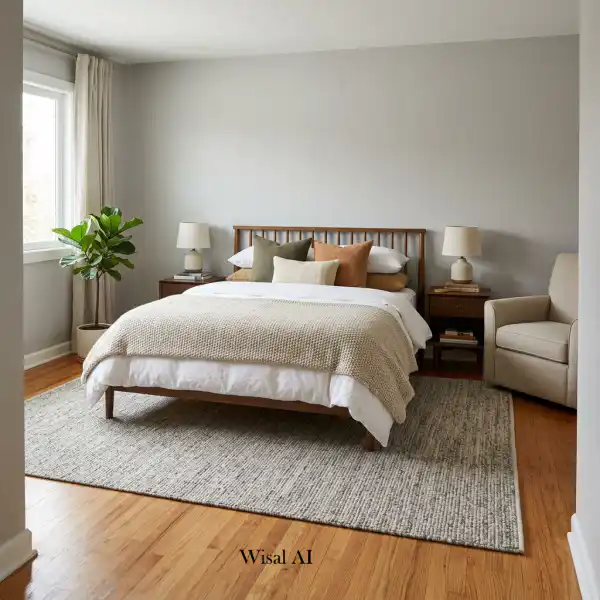
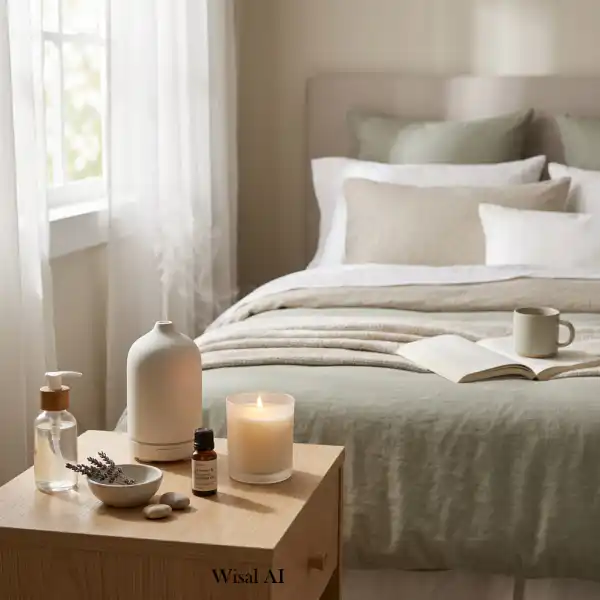
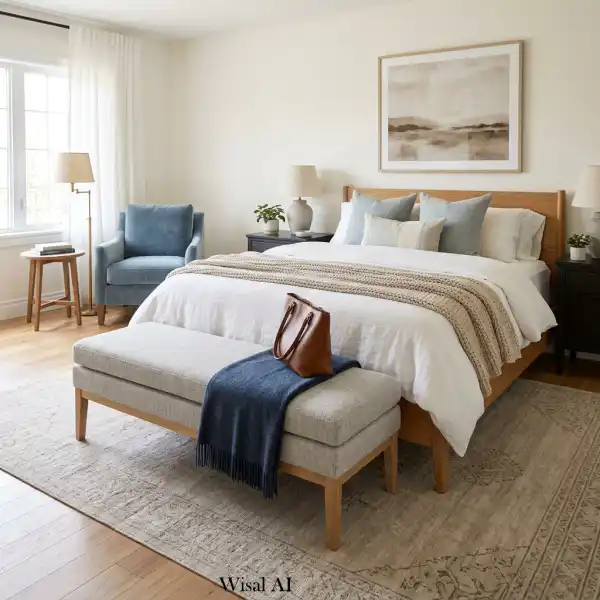
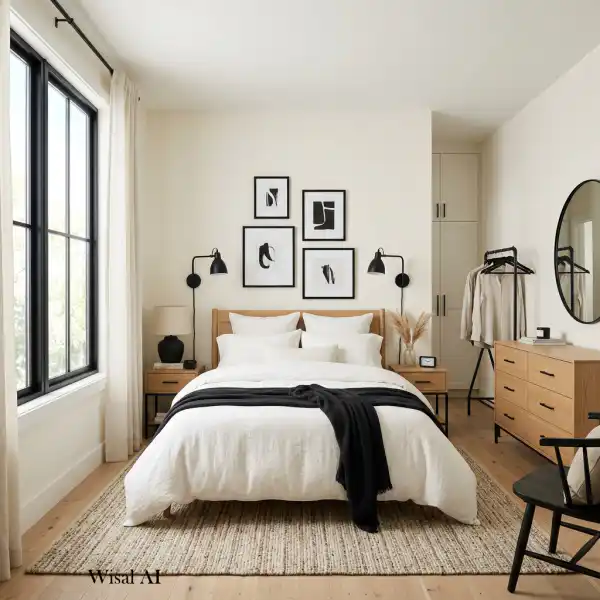
Introduction: The Soul of Modern Minimalism In the fast-paced digital era of 2026, the bedroom has evolved from a mere sleeping quarters into a vital sanctuary for mental restoration. Among the various design philosophies emerging to meet this need, none are as profound or enduring as Japandi. This aesthetic is not just a trend; it is a masterful hybrid of Japanese functionalism and Scandinavian Hygge comfort. The Japandi style marries the rustic, warm elements of Northern Europe with the polished, Zen-like minimalism of Japan. It emphasizes Wabi-Sabi—finding beauty in imperfection—alongside the Scandi focus on practicality and light. In this article, we explore 15 breathtaking Japandi bedroom ideas that redefine luxury through simplicity, organic textures, and a deep connection to nature.
Why Japandi is the Ultimate Choice for Bedrooms The bedroom is the one place where visual noise should be silenced. Japandi excels here because it prioritizes a neutral palette that calms the nervous system. By stripping away excess furniture and focusing on high-quality, natural materials, a Japandi bedroom encourages a slower heart rate and better sleep hygiene. The importance of this style lies in its balance. While pure minimalism can sometimes feel cold or clinical, the Scandi influence introduces soft textiles, plush rugs, and warm wood tones that make the space feel lived-in and welcoming. It is the perfect antidote to the clutter of modern life.
Mastering the Color Palette: Earth, Ash, and Charcoal A powerful Japandi bedroom starts with its color story. Unlike the stark whites of traditional minimalism, Japandi leans into muddied neutrals. Think of oatmeals, stone greys, and muted beiges. To add depth, designers often incorporate Dark Mode elements—charcoal accent walls, matte black steel light fixtures, or dark basalt stone surfaces. These darker tones provide a grounded, masculine edge that prevents the room from feeling too ethereal. When paired with light oak or walnut furniture, the contrast creates a sophisticated visual rhythm that is both modern and timeless.
Materials That Breathe: The Role of Wood and Stone Texture is the secret language of Japandi design. To achieve a strong look, one must move beyond paint and look toward architectural materials. Slatted wood wall panels (shoji-inspired) are a hallmark of this style, providing both acoustic insulation and visual interest. The use of raw, unpolished stone or concrete flooring—softened by a hand-woven jute or wool rug—adds a tactile layer that feels connected to the earth. In a Japandi bedroom, every surface should invite touch. The goal is to create a space that feels curated rather than decorated, where the quality of the material speaks louder than any ornament.
Functionality Meets Zen: Furniture and Layout In Japanese design, space is often referred to as Ma (the space between things). A powerful Japandi bedroom is never overcrowded. Every piece of furniture must serve a purpose. Low-profile platform beds are essential; they keep the visual center of gravity low, making the ceilings feel higher and the room more expansive. Storage is typically hidden behind seamless, handle-less cabinetry to maintain a clean horizon line in the room. This lack of clutter is psychologically proven to reduce cortisol levels, allowing the mind to transition into sleep mode more effectively.
The Final Touch: Lighting and Biophilic Design Lighting in a Japandi bedroom should be layered. During the day, natural light is filtered through sheer linen curtains or paper screens. In the evening, the focus shifts to mood lighting. Use oversized paper lanterns (Noguchi style) or sleek, industrial matte black lamps to create warm pools of light rather than harsh overhead illumination. Finally, no Japandi space is complete without a touch of nature. A single, sculptural Bonsai tree, a dried pampas grass arrangement, or a potted olive tree brings the Biophilic element to life. This connection to the outdoors reinforces the sense of peace and continuity that defines this world-class interior style.
Conclusion
Choosing a Japandi style for your bedroom goes far beyond aesthetics it is ultimately a decision to prioritize your well-being. It reflects a desire to slow down, simplify your surroundings, and create a space that supports rest, clarity, and emotional balance. What makes Japandi so powerful is its quiet duality. It blends the warmth and comfort of Scandinavian living with the calm discipline of Japanese minimalism, resulting in a style that feels both grounded and refined. It does not rely on visual noise or excess decoration; instead, it builds beauty through intention, space, and simplicity. As you explore these 15 Japandi bedroom designs, one thing becomes clear: this style is not about following strict rules, but about creating harmony. Every soft texture, neutral tone, and natural material works together to shape an environment that feels peaceful in both appearance and experience. In the end, a Japandi bedroom is not just a place to sleep it is a personal sanctuary. A space where your mind can rest, your senses can soften, and your daily life can feel a little more balanced, one intentional design choice at a time.
FAQ
1. What is Japandi bedroom design?
Japandi is a design style that blends Japanese minimalism with Scandinavian warmth, focusing on simplicity, natural materials, and calm aesthetics.
2. Why is Japandi popular for bedrooms?
Because it creates a peaceful, clutter-free environment that promotes better sleep, relaxation, and mental clarity.
3. What colors are best for a Japandi bedroom?
Neutral and earthy tones such as beige, cream, warm gray, soft brown, and muted green work best.
4. Can Japandi work in small bedrooms?
Yes. Japandi is ideal for small spaces because it emphasizes simplicity, open space, and functional design.
5. What furniture suits a Japandi bedroom?
Low-profile beds, wooden furniture, simple nightstands, and minimal storage pieces with natural finishes.
6. Is Japandi an expensive design style?
Not necessarily. Japandi focuses more on simplicity and quality than expensive décor, making it achievable on different budgets.
7. How do I make my bedroom feel Japandi instantly?
Start by removing clutter, using neutral colors, adding natural textures, and switching to soft warm lighting.
8. What is the main goal of Japandi design?
To create a calm, balanced, and functional space that supports relaxation and a mindful lifestyle.