Introduction
Let’s be honest for a second…
Most of us don’t wake up in a bedroom that feels like a luxury hotel suite. We wake up in a space that works—but doesn’t inspire us.
The funny thing is: luxury bedrooms aren’t actually about luxury budgets. They’re about decisions. Small, intentional choices that change how a space feels, not just how it looks.
I used to think upgrading a bedroom meant buying new furniture or doing a full makeover. But after testing simple design tricks (some of them ridiculously cheap), I realized something important:
A $10 detail can change the mood of a $1000 room.
In this guide, you’ll learn 10 designer-approved secrets that can transform your bedroom into a calm, expensive-looking retreat for under $100—without renovation, stress, or overthinking.
1. The “Hotel Pillow” Trick (Instant Luxury Feel)
Walk into any high-end hotel room and you’ll notice something immediately: the bed looks sculpted, not messy.
That effect comes from one simple thing—pillows.
Most bedrooms look flat because the pillows collapse over time. Luxury bedrooms always look full, structured, and intentionally styled.
What to do:
Use pillow inserts slightly larger than your covers (1–2 inches bigger)
Mix 2–3 layers of pillows (sleep + decorative)
Lightly “shape” them by hand for structure
Personal insight:
I tried this in my own room and the change was insane. Nothing else changed—but suddenly the bed looked like it belonged in a boutique hotel.
This is the cheapest “luxury illusion” you can create.
2. Upgrade the “Invisible Jewelry” (Hardware Matters More Than You Think)
Most people ignore drawer handles, lamps, and small fixtures.
But designers don’t.
They treat hardware like jewelry.
What to do:
Replace basic knobs with:
Brushed brass
Matte black
Glass crystal
Even if your furniture is cheap, upgraded hardware makes it feel custom-built.
Why it works:
Your brain reads small metal details as “quality signals.” That’s why luxury spaces always feel intentional.
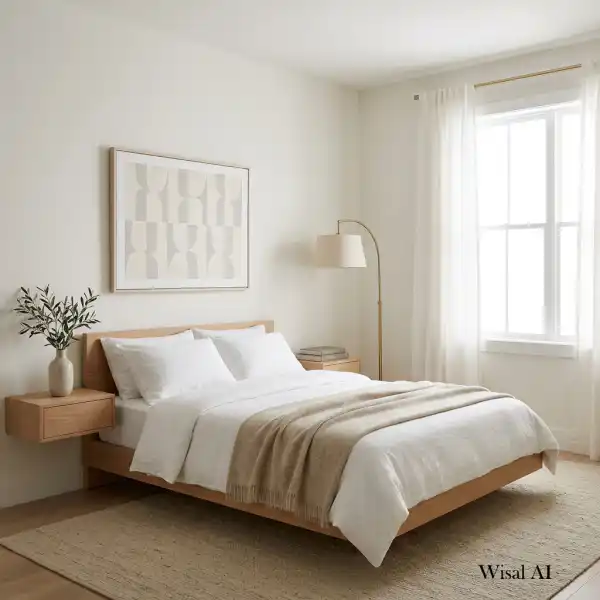
3. The Curtain Height Secret (Architectural Illusion Hack)
This is one of the most powerful tricks in interior design.
Luxury designers don’t.
They hang them close to the ceiling.
What to do:
Mount curtain rods 10–20 cm below the ceiling
Extend rods slightly beyond window width
Extend rods slightly beyond window width
Why it works:
It creates the illusion of:
Taller ceilings Bigger windows More expensive architecture
I’ve never seen a single “luxury bedroom” ignore this rule.
4. Layered Lighting (The Real Luxury Secret)
If I had to choose ONE thing that makes a room feel expensive, it would be lighting.
Harsh ceiling light = cheap feel Soft layered lighting = hotel vibe
What to do:
Use at least 3 light sources:
Bedside lamps
Warm ambient light (2700. K bulbs)
Optional LED strip or wall sconce
Real insight:
Luxury rooms don’t feel bright… they feel glowing.
If your room feels flat at night, lighting is the reason.
5. The “Styled Mess” Tray Trick
Clutter makes a room feel chaotic.
But grouping items together makes it feel designed.
What to do:
Place a tray on your:
Nightstand
Dresser
Desk
Add:
Candle
Book
Small plant or perfume
Why it works:
Instead of scattered items, your brain sees a “curated moment.”
I like to call this:
Controlled clutter = luxury illusion
6. Wall Molding (Fake Architecture That Feels Real)
One of the easiest ways to fake a luxury apartment is wall detailing.
What to do:
Use peel-and-stick molding or lightweight trim
Create simple rectangular frames
Paint everything the same color
Why it works:
It adds:
Depth
Shadow play
Architectural character
Even a plain wall suddenly feels like a designer space in Paris.
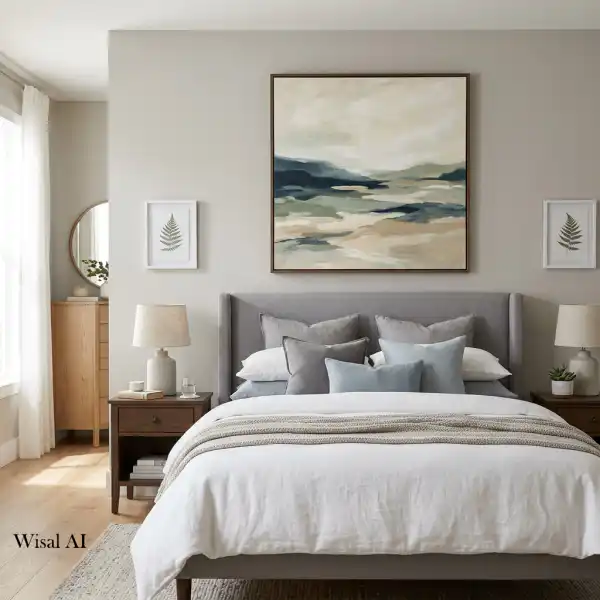
7. One Big Art Piece (Stop Using Small Frames)
Most people over-decorate walls.
Luxury spaces do the opposite.
What to do:
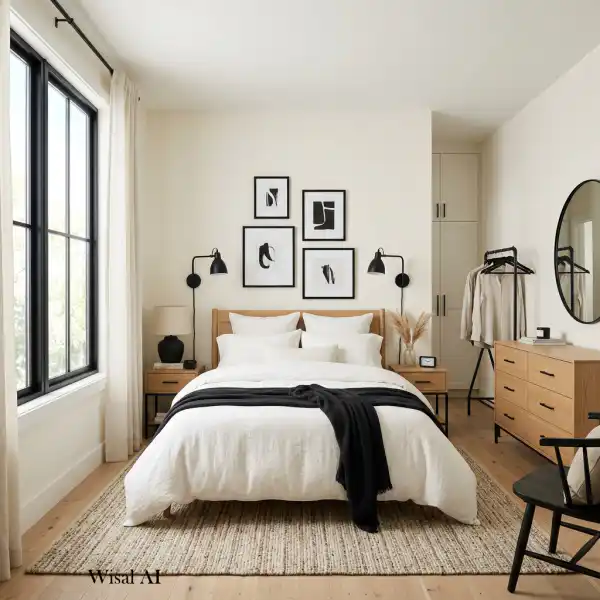
Choose ONE large artwork
Keep colors neutral (beige, black, white)
Center it above the bed
Personal note:
When I replaced 5 small frames with one large canvas, the room instantly felt 3. x more expensive.
Scale = luxury signal
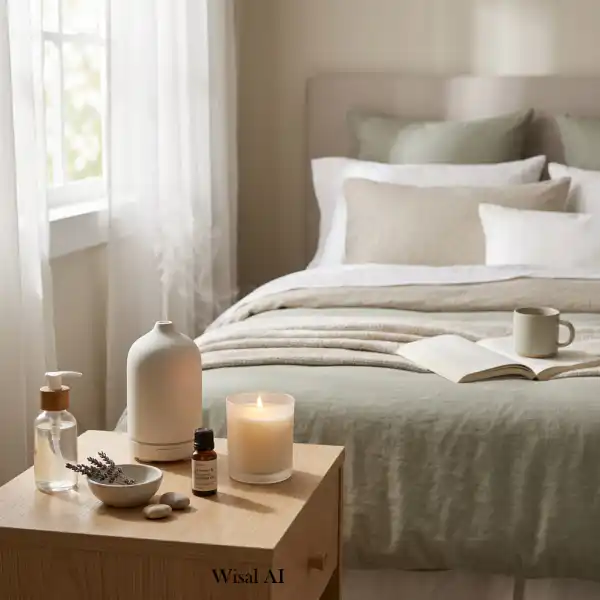
8. The Invisible Luxury: Scent
This is the most underrated design trick.
You don’t just see luxury—you smell it.
What to do:
Use:
Reed diffusers Minimal candles Clean scents like: Sandalwood Linen Eucalyptus
Why it matters:
Your brain connects scent + environment = emotional memory.
A good smell makes a room feel like a hotel instantly.
9. One Statement Plant (Not a Jungle)
Plants add life—but too many add chaos.
What to do:
Choose ONE:
Monstera
Snake plant
Fiddle leaf fig
Place it in a corner with natural light.
Why it works:
It adds:
Organic texture Height variation Calm energy
One plant = luxury Ten plants = clutter
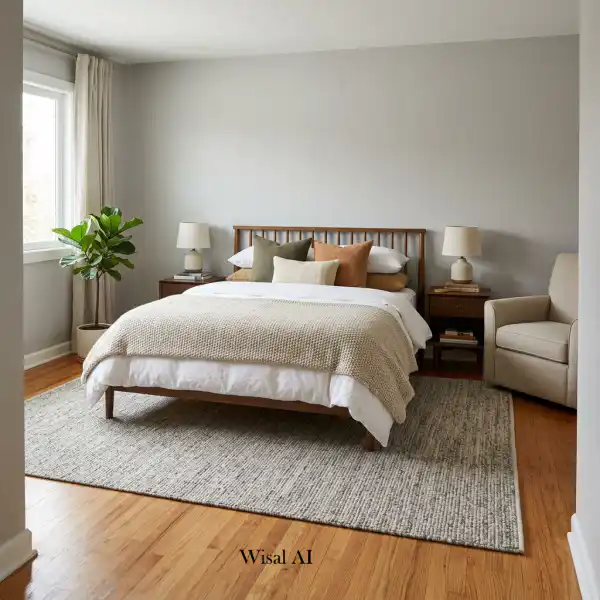
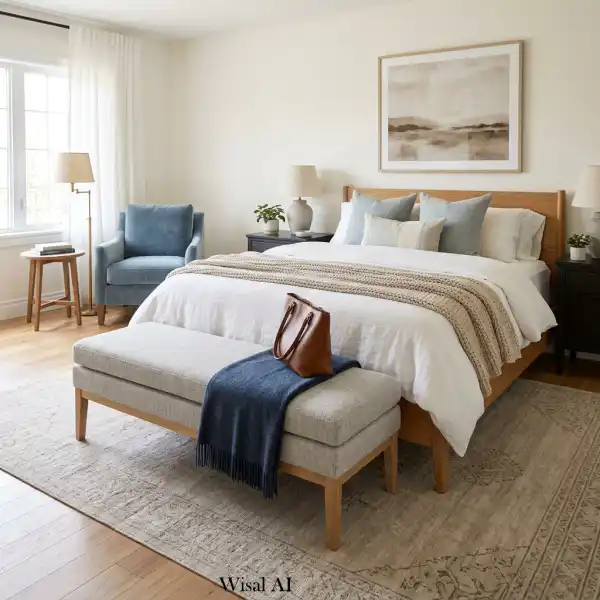
10. Layer Your Bed Like a Designer
A flat bed looks unfinished.
A layered bed looks intentional.
What to do:
Start with neutral sheets Add textured blanket (linen or cotton) Finish with chunky knit throw
Personal experience:
This is the trick that made my room feel like a hotel suite more than anything else.
Texture is what creates “expensive comfort.”
Bonus Insight: Remove Before You Add
Here’s the truth most people ignore:
Luxury is not about adding more things.
It’s about removing what doesn’t belong.
Ask yourself:
Do I need this here?
Does it add calm or noise?
Sometimes the most expensive-looking rooms are just… simple.
FAQ
How can I make my bedroom look expensive on a budget?
Focus on lighting, texture layering, and small upgrades like pillows, curtains, and hardware.
What is the cheapest bedroom upgrade?
Lighting and bedding—these two change everything instantly.
Why do hotel rooms feel more luxurious?
Because they use layered lighting, consistent textures, and minimal clutter.
Final Thoughts
You don’t need a new bedroom.
You need a new way of seeing your bedroom.
Once you understand that luxury is built from small intentional details, everything changes.
Start with one upgrade today… and your room will slowly transform into a space that actually feels like a retreat—not just a place to sleep.