Winter is the season where the living room becomes more than just a space it becomes a refuge. As temperatures drop and daylight shortens, the way a room feels becomes just as important as how it looks. People naturally start spending more time indoors, seeking warmth, comfort, and a sense of calm that balances the cold outside world. This is where Winter Living Room design takes on a different role. It is no longer about minimal decoration or open, airy layouts. Instead, it is about layers layers of texture, light, and warmth that create a feeling of emotional comfort. Soft lighting replaces harsh brightness. Heavy fabrics bring depth and coziness. Warm tones like beige, brown, caramel, and deep greys define the atmosphere. Every element works together to turn the living room into a space that feels inviting, intimate, and quietly luxurious. These 25 Winter Living Room Ideas explore how to design a space that doesn’t just look beautiful, but feels warm, grounded, and deeply comfortable during the coldest months of the year.
1. Warm Layered Lighting Living Room for Winter Ambience
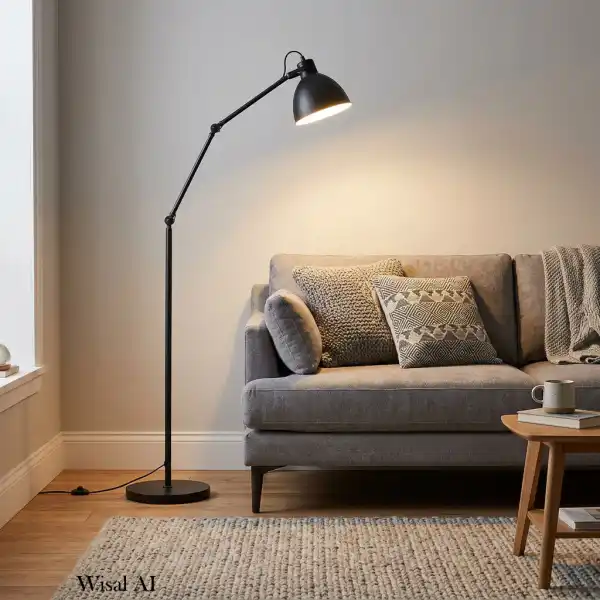
Lighting is the foundation of any winter living room. Instead of relying on a single overhead source, layered lighting creates depth and warmth throughout the space. Table lamps, floor lamps, and hidden LED strips work together to eliminate harsh shadows while building a soft glowing atmosphere. This makes the room feel more intimate and visually rich, especially during long winter nights. The key is to avoid brightness and instead focus on warm diffusion that wraps the room in comfort. Design Tip: Use warm white bulbs (2700K–3000K) to maintain a cozy golden tone.
2. Cozy Textured Sofa Living Room for Winter Comfort
A sofa becomes the centerpiece of winter living room design. Choosing the right texture can completely transform the atmosphere of the space. Bouclé, velvet, and thick woven fabrics add tactile warmth and visual depth. These materials naturally invite relaxation and make the room feel more lived-in and comfortable. When combined with soft cushions and throws, the sofa becomes a true winter retreat within the home. Design Tip: Layer different fabric textures rather than using a single material.
3. Winter Living Room with Deep Earth Tone Palette
Color plays a major role in shaping winter mood. Earth tones such as chocolate brown, terracotta, olive, and warm taupe create a grounded and calming environment. These colors reflect warmth instead of light, making the space feel naturally cozy even without heavy decoration. When balanced correctly, deep tones can feel luxurious rather than dark or heavy. Design Tip: Pair dark tones with soft beige or cream accents to maintain visual balance.
4. Fireplace-Focused Winter Living Room Design
A fireplace instantly becomes the emotional center of any winter living room. Whether traditional or modern, it creates both physical warmth and visual comfort. The gentle movement of fire adds a natural rhythm to the space, making it feel alive and calming at the same time. Furniture placement around the fireplace enhances intimacy and encourages gathering. Even in modern apartments, an electric or bioethanol fireplace can achieve a similar effect. Design Tip: Keep the surrounding décor minimal to let the fireplace stand out as the focal point.
5. Soft Winter Living Room with Heavy Curtains and Drapery
Curtains are often underestimated in interior design, but in winter they become essential for both comfort and atmosphere. Heavy fabrics like velvet or thick linen help retain warmth while also adding visual softness to the room. When they filter natural light, they create beautiful shadow gradients that enhance the winter mood. This simple addition can instantly make a living room feel more luxurious and enclosed in warmth. Design Tip: Choose curtain colors slightly darker than your wall tones for depth and contrast.
6. Winter Living Room with Plush Area Rugs for Extra Warmth
An area rug becomes essential in winter, not just as a decorative element but as a layer of physical and visual warmth. Thick wool or shaggy rugs help soften the floor and create a cozy foundation for the entire living room. They also absorb sound, making the space feel quieter and more intimate. A well-chosen rug can visually anchor the seating area and tie all winter elements together. Design Tip: Choose neutral or warm-toned rugs with subtle patterns to avoid visual heaviness.
7. Elegant Winter Living Room with Candle Lighting Atmosphere
Candles bring a unique kind of winter luxury that no electric lighting can fully replace. Their soft flicker creates a sense of calm and intimacy, especially during evening hours. When grouped in different heights and placed on coffee tables or shelves, they add depth and warmth to the room. This simple detail transforms the living room into a peaceful winter retreat. Design Tip: Mix scented and unscented candles, but keep fragrances soft and natural like vanilla or amber.
8. Modern Winter Living Room with Natural Wood Accents
Wood plays a key role in grounding winter interiors and balancing colder tones. Whether used in coffee tables, shelving, or wall paneling, natural wood adds organic warmth and texture. Lighter oak brings softness, while darker walnut adds richness and depth. The combination of wood and warm lighting creates a timeless cozy atmosphere. Design Tip: Avoid over-polished finishes matte or natural textures feel more authentic in winter design.
9. Layered Textile Living Room for Winter Depth and Comfort
Layering textiles is one of the most effective ways to achieve a warm winter atmosphere. Throws, cushions, blankets, and upholstered furniture in different fabrics create visual richness and physical comfort. Mixing materials like wool, linen, and velvet adds subtle contrast without breaking harmony. This approach makes the living room feel lived-in, warm, and deeply inviting. Design Tip: Stick to a consistent color palette while varying textures for balance.
10. Winter Living Room with Statement Coffee Table Styling
A coffee table becomes a focal point in winter interiors when styled thoughtfully. Using books, candles, small sculptures, and natural elements like dried branches or pine accents creates a layered visual story. This makes the center of the room feel curated yet effortless. It’s a small detail that significantly enhances the overall mood of the space. Design Tip: Keep styling minimal but intentional avoid overcrowding the surface.
11. Cozy Winter Living Room with a Bouclé Accent Chair
A bouclé accent chair introduces texture and softness while creating an inviting corner for relaxation. Its tactile surface instantly adds warmth to the room, making it the perfect companion to a cozy reading nook or fireplace seating area. The fabric’s rich texture also complements winter palettes beautifully, adding visual interest without overwhelming the space. In luxury interiors, a single statement chair often has more impact than multiple decorative accessories. Design Tip: Choose a bouclé chair in cream, oatmeal, or warm beige for a timeless winter look.
12. Winter Living Room with Dark Walnut Furniture
Dark walnut furniture brings a sense of richness and sophistication that feels particularly appropriate during the colder months. Its deep tones create contrast against lighter walls and textiles while adding visual weight that makes the room feel grounded. Combined with warm lighting, walnut develops a luxurious glow that enhances the overall atmosphere. The result is elegant, welcoming, and timeless. Design Tip: Balance dark wood pieces with lighter fabrics to keep the room from feeling too heavy.
13. Luxury Winter Living Room with Velvet Accents
Velvet naturally enhances winter interiors thanks to the way it interacts with light. Whether used on sofas, pillows, or accent chairs, the fabric creates subtle shifts in tone that add depth and richness throughout the room. Its soft surface also contributes to the cozy atmosphere that defines winter living spaces. A few velvet elements can elevate an entire room without requiring a major redesign. Design Tip: Choose colors like caramel, olive green, deep taupe, or warm gray for a sophisticated winter palette.
14. Winter Living Room with Floor-to-Ceiling Bookshelves
Bookshelves bring both visual warmth and personality to a living room during winter. Filled with books, decorative objects, and personal treasures, they create a layered backdrop that makes the space feel lived-in and welcoming. The vertical lines also draw the eye upward, making the room feel larger and more refined. Nothing feels quite as cozy as spending a winter evening surrounded by books and soft lighting. Design Tip: Incorporate warm accent lighting within shelves to highlight objects and create depth.
15. Warm Neutral Winter Living Room with Layered Beige Tones
A neutral palette can feel incredibly cozy when multiple shades are layered thoughtfully. Combining ivory, cream, oatmeal, taupe, and sand tones creates subtle variation while maintaining a calm and harmonious appearance. This approach allows textures and lighting to become the stars of the design. The result feels luxurious, soothing, and effortlessly elegant. Design Tip: Use at least three different neutral shades to create depth without relying on bold colors.
16. Winter Living Room with a Marble and Wood Combination
Marble and wood create a beautiful balance between sophistication and warmth. While marble introduces elegance and refinement, wood softens its appearance and prevents the room from feeling cold. Together, these materials create a timeless luxury aesthetic that works exceptionally well in winter interiors. The contrast between smooth stone and natural wood adds richness without clutter. Design Tip: Choose warm-toned marble varieties or pair cooler marble with walnut finishes for balance.
17. Cozy Living Room with Oversized Knit Throws
Few elements communicate winter comfort more effectively than oversized knit blankets. Draped casually over a sofa or armchair, they add texture, warmth, and a relaxed atmosphere that immediately makes a room feel more inviting. Their chunky texture also introduces visual softness that complements winter design perfectly. Sometimes the simplest additions create the biggest impact. Design Tip: Select throws in neutral or earthy colors to maintain a cohesive look.
18. Winter Living Room with Soft Ambient Wall Lighting
Wall sconces and indirect lighting create a gentle glow that transforms the mood of a room. Unlike harsh overhead fixtures, ambient wall lighting spreads warmth evenly while preserving cozy shadow zones. This layered approach makes the space feel more intimate during long winter evenings. The effect is subtle but incredibly effective. Design Tip: Install dimmable wall fixtures to adjust the atmosphere throughout the day.
19. Modern Winter Living Room with Stone Feature Walls
A stone feature wall introduces texture, character, and a sense of permanence. Natural stone feels especially appropriate during winter because of its connection to nature and its ability to create visual depth. When illuminated with warm lighting, the texture becomes even more striking. The combination of stone, wood, and soft textiles creates a balanced luxury aesthetic. Design Tip: Choose warm-toned stone finishes rather than cool gray varieties for a cozier appearance.
20. Winter Living Room with a Hotel-Inspired Luxury Atmosphere
Luxury hotels often master the balance between comfort and elegance, making them an excellent source of inspiration for winter interiors. Plush seating, layered lighting, premium fabrics, and carefully curated décor create an environment that feels both sophisticated and relaxing. The goal is to make every moment spent in the room feel special. This approach prioritizes experience over decoration. Design Tip: Focus on quality materials and consistent styling rather than filling the room with accessories.
21. Winter Living Room with Warm Metallic Accents
Metallic finishes can make a winter living room feel more refined when used in moderation. Warm metals such as brushed brass, antique bronze, and aged gold reflect light softly and add subtle elegance throughout the space. Unlike highly polished finishes, these muted metals contribute warmth without appearing flashy. They pair beautifully with wood, velvet, and natural stone, creating a balanced luxury atmosphere. Design Tip: Use metallic accents through lighting fixtures, coffee table details, or decorative accessories rather than large statement pieces.
22. Cozy Winter Living Room with a Dedicated Reading Nook
Winter is the perfect season to create a quiet corner designed for relaxation. A comfortable armchair, a soft throw blanket, and a warm reading lamp can transform an unused area into one of the most inviting spots in the home. The focused pool of light creates intimacy while enhancing the room’s cozy atmosphere. This small addition often becomes a favorite retreat during colder months. Design Tip: Position the reading nook near a window to enjoy natural daylight during winter afternoons.
23. Winter Living Room with Nature-Inspired Décor
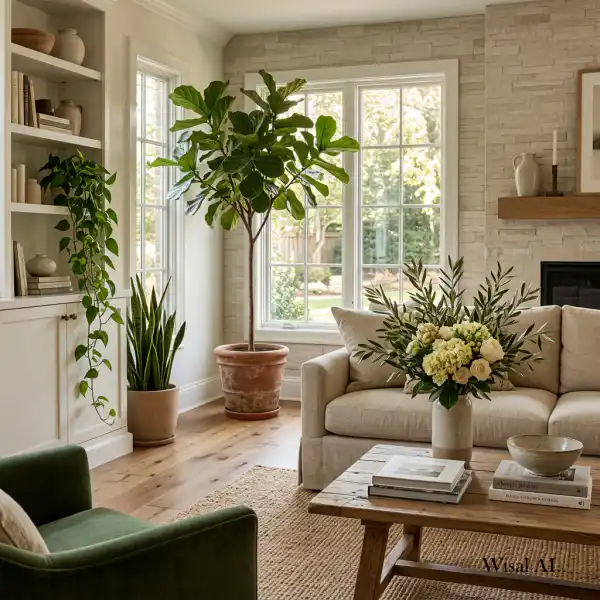
Bringing natural elements indoors helps create a warm and grounded environment during winter. Dried branches, pine arrangements, wooden bowls, woven baskets, and organic textures add character while maintaining a calm aesthetic. These elements connect the interior to the season without relying on overly themed decorations. The result feels timeless rather than temporary. Design Tip: Stick to natural colors and textures to keep the look elegant and sophisticated.
24. Dark and Moody Winter Living Room with Soft Lighting
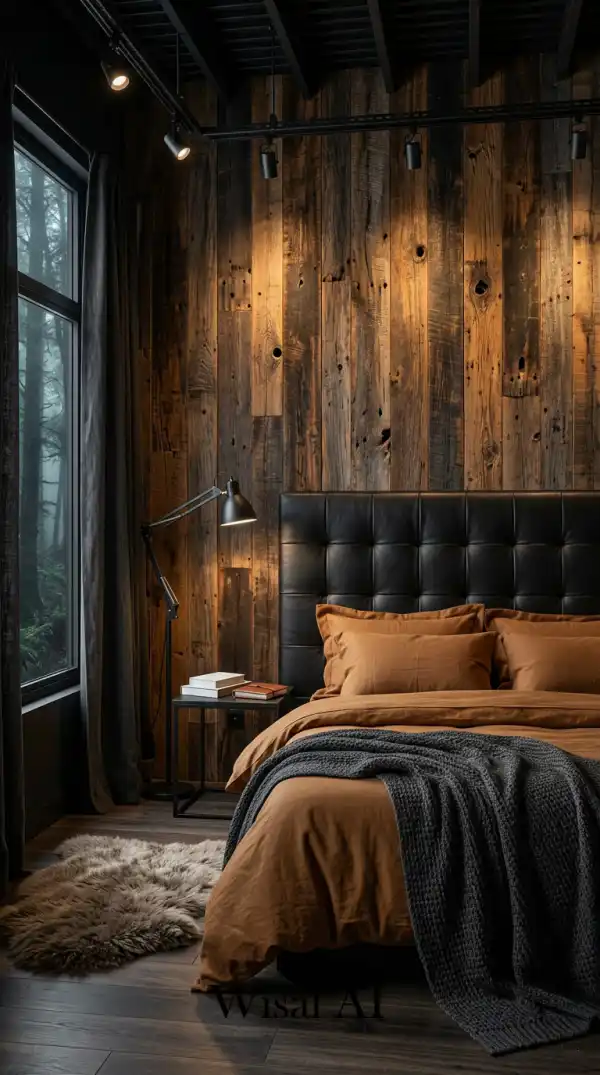
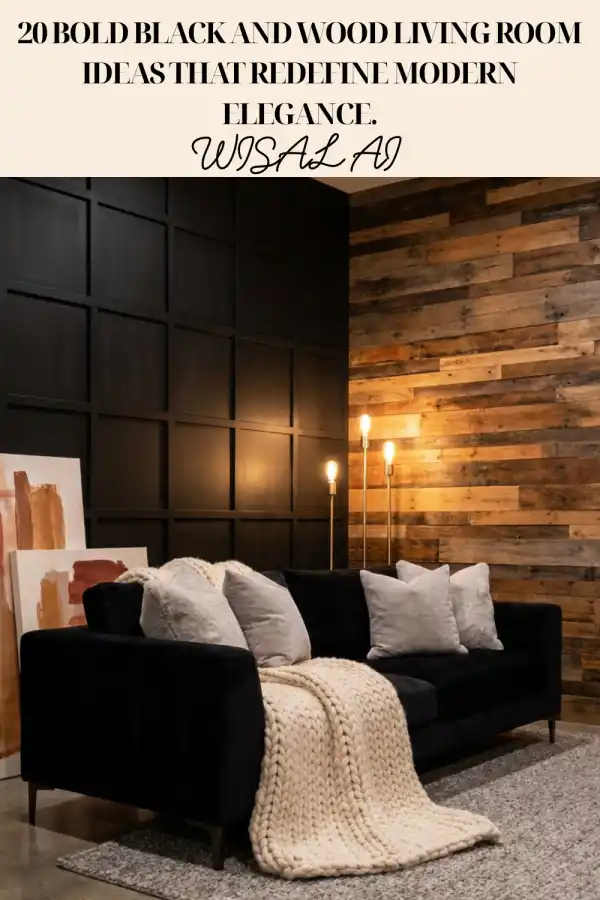
A darker color palette can feel incredibly luxurious during winter when paired with the right lighting. Deep charcoal, chocolate brown, warm black, and rich taupe tones create a cocoon-like atmosphere that feels intimate and comforting. Soft lamps and indirect lighting prevent the space from feeling too heavy while emphasizing depth and texture. This design approach is perfect for homeowners who prefer dramatic yet cozy interiors. Design Tip: Balance darker walls with lighter upholstery and layered lighting to maintain visual harmony.
25. Ultimate Winter Living Room Retreat with Layered Comfort
The final winter living room combines everything that makes the season feel special. Warm lighting, rich textures, natural materials, comfortable seating, layered textiles, and a calming color palette work together to create a space that encourages relaxation. Every detail contributes to a feeling of warmth and comfort without sacrificing elegance. Rather than focusing on trends, this approach prioritizes atmosphere and well-being. The result is a living room that feels welcoming throughout the entire season a place where cold winter days become something to enjoy rather than escape. In many ways, the best winter living rooms are not the most decorated. They are the ones that make you want to stay a little longer, settle into a comfortable chair, and enjoy the simple luxury of being at home.
Conclusion
Winter has a unique way of changing how we experience our homes. As the days become shorter and the temperatures drop, comfort becomes just as important as style. The most successful winter living rooms are not necessarily the largest or the most expensive. They are the spaces that make people feel welcome the moment they walk in. Through warm lighting, layered textures, natural materials, and thoughtfully chosen colors, a living room can become a true seasonal retreat. Whether you prefer modern minimalism, timeless elegance, or a cozy cabin-inspired atmosphere, the key is creating a space that encourages relaxation and connection. Every blanket, lamp, rug, and furniture piece should contribute to a feeling of warmth and ease. Ultimately, winter luxury is not about impressing guests. It is about creating an environment where you can slow down, recharge, and enjoy the simple pleasures of the season. With the right design choices, your living room can become the most inviting space in your home all winter long.
FAQs
1. How can I make my living room feel cozy for winter?
Start by layering warm lighting, soft textiles, area rugs, and comfortable seating. Adding natural materials such as wood and wool can instantly create a warmer atmosphere.
2. What colors work best for a winter living room?
Warm neutrals like beige, taupe, cream, caramel, and chocolate brown are popular choices. Deep greens, warm grays, and earthy tones also work beautifully during winter.
3. What type of lighting is best for a winter living room?
Layered lighting is ideal. Combine table lamps, floor lamps, wall sconces, and candles with warm white bulbs to create a soft and inviting glow.
4. How do I create a luxury winter living room on a budget?
Focus on atmosphere rather than expensive furniture. Adding textured throws, warm lighting, decorative pillows, and natural materials can dramatically improve the look and feel of a space.
5. Are dark colors suitable for winter living rooms?
Yes. Dark colors like charcoal, espresso brown, and deep taupe can create a cozy and sophisticated environment when balanced with warm lighting and lighter accents.
6. What materials are popular in winter living room design?
Wood, wool, velvet, bouclé, linen, marble, and natural stone are commonly used because they add warmth, texture, and timeless appeal.
7. How can I make a small living room feel cozy during winter?
Use layered textiles, warm lighting, and a consistent color palette. Avoid clutter and focus on creating comfortable seating areas that feel intimate and inviting.
8. What is the biggest winter living room trend in 2026?
The biggest trend is creating warm luxury through layered textures, natural materials, soft lighting, and calming color palettes rather than relying on seasonal decorations.