A custom-designed living room has a distinctive quality that immediately sets it apart from an ordinary space. It feels intentional, balanced, and uniquely tailored to the home rather than assembled from a collection of unrelated furniture pieces. While many people assume this level of sophistication requires a large renovation budget, the reality is that thoughtful design decisions often have a much greater impact than expensive décor alone. Professional interior designers create custom-looking living rooms by focusing on proportion, material selection, architectural details, and cohesive styling. Instead of relying on trends, they build spaces around timeless elements such as natural wood, layered lighting, integrated storage, premium fabrics, and carefully planned furniture layouts. Every piece has a purpose, and every detail contributes to the overall harmony of the room. One of the defining characteristics of a custom-designed interior is continuity. Materials, colors, and finishes flow naturally throughout the space, making the room feel complete from every angle. Built-in features replace unnecessary furniture, statement lighting highlights architectural elements, and carefully layered textures add richness without overwhelming the design. In this guide, you'll discover 20 living room ideas that look custom designed. Whether you're updating a small apartment or planning a complete renovation, these inspiring ideas will help you create a living room that feels elegant, personalized, and professionally designed for years to come.
1. Build a Floor-to-Ceiling TV Wall
One of the quickest ways to make a living room feel custom designed is by replacing a standard television stand with a full-height media wall. Instead of treating the television as a separate object, integrate it into a feature wall that becomes part of the room's architecture. Custom TV walls often combine wood paneling, natural stone, floating cabinets, open shelving, and concealed storage into one cohesive design. White oak slats, fluted panels, travertine, marble, or textured plaster can all be incorporated to create visual depth while maintaining a clean, modern appearance. Integrated LED lighting behind shelving or along floating cabinets adds warmth and highlights architectural details during the evening. Hidden cable management keeps the entire installation looking neat and uncluttered. Beyond improving aesthetics, a built-in media wall provides valuable storage for electronics, books, decorative objects, and everyday essentials without introducing bulky furniture. The result is a living room that feels sophisticated, organized, and professionally customized specifically for your home.
2. Use Built-In Shelving Instead of Freestanding Bookcases
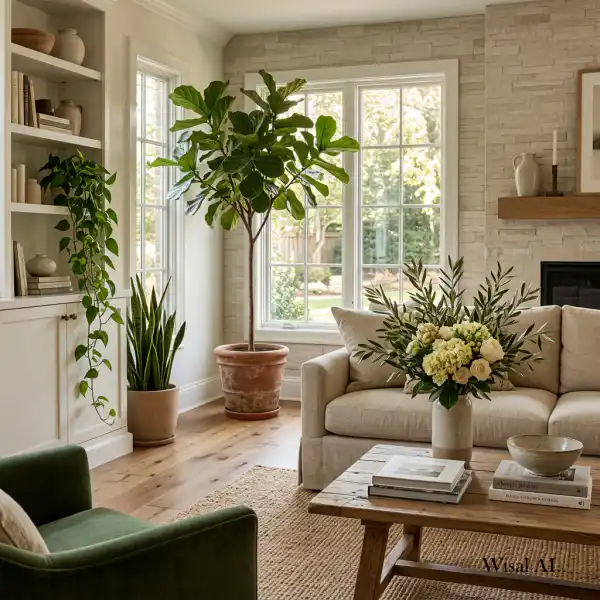
Custom interiors rarely rely on standard bookcases placed against the wall. Instead, designers often incorporate built-in shelving that appears to be part of the home's original architecture. Floor-to-ceiling shelving frames fireplaces, media walls, or large windows while providing both display space and concealed storage. Closed cabinets below keep clutter hidden, while carefully styled open shelves showcase books, ceramics, artwork, and collected objects without appearing overcrowded. Painting the shelving the same color as the walls creates a seamless appearance, while natural wood shelves introduce warmth and texture that soften contemporary interiors. Built-ins maximize vertical space, reduce visual clutter, and give the living room a bespoke quality that freestanding furniture rarely achieves. The result is a living room that feels timeless, refined, and intentionally designed.
3. Create a Custom Feature Wall
Every professionally designed living room benefits from a strong focal point, and one of the most effective ways to achieve this is with a custom feature wall. Instead of relying solely on artwork, introduce architectural materials that add depth and texture. Wood slat panels, limewash finishes, decorative plaster, stone cladding, fluted paneling, or elegant wall moldings all transform a plain wall into a statement element. These treatments create visual interest through craftsmanship rather than excessive decoration. Keeping the color palette neutral allows the materials themselves to become the focus. Soft lighting positioned to wash across textured surfaces further enhances their natural beauty throughout the day. A custom feature wall immediately gives the impression that the room was designed specifically for the home rather than furnished after construction. The result is a living room with stronger architectural character and lasting visual appeal.
4. Choose Furniture That Fits the Room Perfectly
One of the biggest differences between professionally designed interiors and ordinary living rooms is proportion. Custom spaces feel balanced because every furniture piece appears perfectly scaled for the room. Rather than selecting furniture based solely on appearance, consider how each piece relates to the dimensions of the space. A large sectional may anchor an open-plan living room beautifully, while a compact apartment benefits from slimmer sofas with raised legs that maintain visual openness. Coffee tables, accent chairs, side tables, and rugs should also work together proportionally. Maintaining comfortable circulation paths ensures the room remains practical without feeling crowded. When every furniture piece feels intentionally selected for its location, the entire living room immediately appears more luxurious and custom designed.
5. Layer Natural Materials
Luxury custom interiors rarely depend on color to create interest. Instead, they combine multiple premium materials that add warmth, texture, and depth while maintaining a calm and sophisticated atmosphere. White oak, walnut, travertine, marble, limestone, linen, wool, leather, woven baskets, and handcrafted ceramics all contribute to a layered aesthetic inspired by nature. Because each material reflects light differently, the room feels visually dynamic without requiring bold colors or busy patterns. Combining wood furniture with stone surfaces and soft textiles creates balance between warmth and refinement. Matte finishes generally reinforce a contemporary custom appearance more effectively than highly polished surfaces. The beauty of natural materials is that they continue developing character over time, making the living room feel even more personal as the years pass. The result is a living room that feels rich, elegant, and unmistakably custom designed.
6. Add Layered Lighting Throughout the Living Room
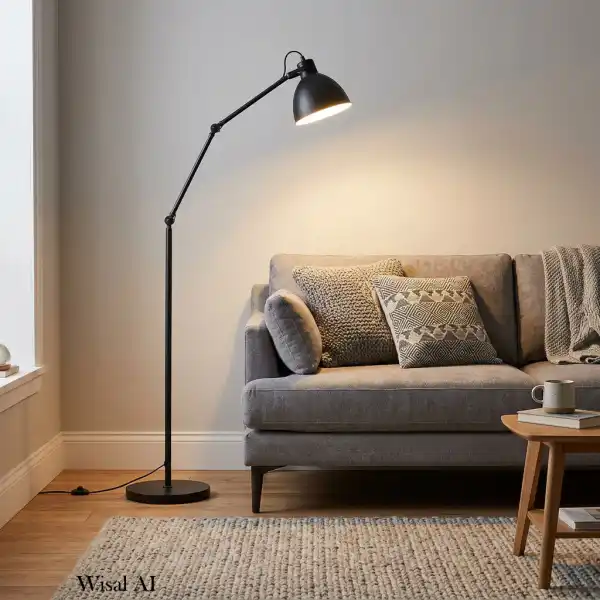
Lighting is one of the defining characteristics of a professionally designed interior. Instead of relying on a single ceiling fixture, custom living rooms combine multiple layers of light that work together to create depth, warmth, and flexibility. Start with ambient lighting such as recessed ceiling lights or a sculptural chandelier to illuminate the entire room. Then introduce task lighting through floor lamps beside seating areas and table lamps on consoles or side tables. Finally, incorporate accent lighting inside built-in shelving, beneath floating cabinets, or above artwork to highlight architectural details and decorative objects. Warm white bulbs between 2700K and 3000K create a welcoming atmosphere that complements natural wood, stone, and soft fabrics. Installing dimmer switches allows you to adjust the brightness throughout the day, making the room equally suitable for entertaining guests, watching movies, reading, or relaxing. Lighting should never feel like an afterthought. When layered correctly, it shapes the mood of the entire space and gives every material a richer, more luxurious appearance. The result is a living room that feels warm, inviting, and thoughtfully designed at every hour of the day.
7. Incorporate Custom Window Treatments
Windows deserve just as much attention as furniture. In custom-designed living rooms, window treatments are carefully selected to enhance the room's proportions while improving comfort and privacy. Install curtains from ceiling to floor rather than directly above the window frame. This simple design technique creates the illusion of higher ceilings while making the windows appear much larger. Layer sheer curtains with heavier drapes so the room remains bright during the day while offering complete privacy in the evening. Neutral linen, cotton blends, and textured woven fabrics complement modern interiors without overwhelming the design. Choosing curtain rods that extend beyond the window frame also allows more natural light to enter when the curtains are open. Beautiful window treatments soften the architecture, improve acoustics, and contribute to the polished appearance typically associated with professionally designed homes. The result is a living room that feels brighter, taller, and more elegant.
8. Mix Furniture Shapes
Many living rooms become visually repetitive because every furniture piece follows the same straight lines. Professional designers introduce contrast by mixing geometric and organic shapes, creating a space that feels more dynamic and balanced. Pair a rectangular sofa with a round coffee table, curved accent chairs, an oval side table, or sculptural lighting fixtures. These softer forms break up rigid architectural lines while improving the natural flow of the room. Curved furniture also encourages conversation by creating a more welcoming seating arrangement. Combined with neutral upholstery and natural materials, these shapes introduce elegance without sacrificing comfort. Maintaining a balance between straight and curved elements ensures the room feels carefully composed rather than predictable. The result is a living room that feels modern, comfortable, and visually engaging from every angle.
9. Use Oversized Area Rugs
A generously sized rug is one of the easiest ways to make a living room look custom designed. Small rugs often make furniture appear disconnected, while a large rug visually anchors the entire seating arrangement. Ideally, the front legs of the sofa, accent chairs, and coffee table should all sit on the rug. This creates one unified conversation area and helps define the living room within an open-concept layout. Natural wool rugs, flat-weave designs, or subtle textured patterns provide warmth while allowing furniture and architectural features to remain the focus. Neutral colors such as ivory, oatmeal, greige, and taupe contribute to a timeless appearance that adapts easily as décor evolves. Besides improving comfort underfoot, an oversized rug reduces echo and adds another layer of texture that enhances the room's overall richness. The result is a living room that feels larger, more cohesive, and professionally planned.
10. Design Around One Strong Focal Point
Every custom-designed living room tells a clear visual story. Rather than competing for attention with multiple statement pieces, successful interiors establish one dominant focal point that naturally draws the eye. A fireplace, built-in media wall, oversized artwork, panoramic window, or sculptural stone feature wall can all serve as the room's centerpiece. Once the focal point has been established, arrange seating and decorative accessories to support it instead of creating unnecessary distractions. Avoid placing several oversized decorative pieces in different parts of the room. Too many competing elements can make the space feel cluttered, even if every item is beautiful on its own. Allowing one feature to lead the composition creates a stronger sense of balance and reinforces the room's architectural identity. The result is a living room that immediately feels intentional, refined, and custom built.
11. Include Statement Ceiling Details
The ceiling is often called the fifth wall because it plays a significant role in defining the atmosphere of a room. Yet it is frequently overlooked in standard living room designs. Custom homes often feature coffered ceilings, subtle wood beams, recessed ceiling details, or elegant perimeter lighting that introduces depth without overwhelming the space. Even a simple ceiling treatment painted in the same tone as the walls can create a more cohesive appearance. Statement ceiling lighting further enhances these architectural features by emphasizing height and drawing the eye upward. By giving equal attention to the ceiling, the living room gains another layer of sophistication that distinguishes it from ordinary interiors. The result is a space that feels complete from floor to ceiling.
12. Invest in Custom Storage Solutions
Storage is essential, but in custom interiors it should feel invisible. Rather than relying on multiple freestanding cabinets, integrate storage into the architecture of the room. Floating sideboards, concealed cabinets beneath windows, built-in benches with hidden compartments, and custom shelving keep everyday belongings organized while preserving a clean visual appearance. These solutions reduce clutter without sacrificing accessibility, allowing books, electronics, games, and seasonal décor to remain neatly stored out of sight. When storage blends seamlessly into the room, the overall design feels more intentional and significantly more luxurious. The result is a living room that stays organized while maintaining a sophisticated aesthetic.
13. Display Oversized Artwork
Instead of filling walls with numerous small frames, professional designers often choose one or two oversized artworks that immediately establish visual impact. Large artwork creates a gallery-like atmosphere while reinforcing the room's scale. Abstract paintings, textured canvases, black-and-white photography, or minimalist compositions work particularly well in contemporary interiors. Position artwork so that its center sits approximately at eye level, allowing it to connect naturally with the surrounding furniture. Oversized pieces simplify the design while giving the impression that the living room has been carefully curated rather than casually decorated. The result is a stronger focal point and a more refined overall composition.
14. Keep Decorative Styling Intentional
Luxury custom interiors are never overcrowded with accessories. Every decorative object is selected with purpose and contributes to the room's overall narrative. Coffee tables can be styled with a stack of beautiful books, a sculptural bowl, and a small arrangement of greenery. Shelves may display handcrafted ceramics, framed artwork, or collected travel pieces with generous spacing between each item. Avoid filling every shelf or tabletop. Empty space allows individual objects to stand out while creating a calmer visual experience. Intentional styling communicates confidence because it emphasizes quality over quantity. The result is a living room that feels curated rather than cluttered.
15. Introduce Warm Wood Accents
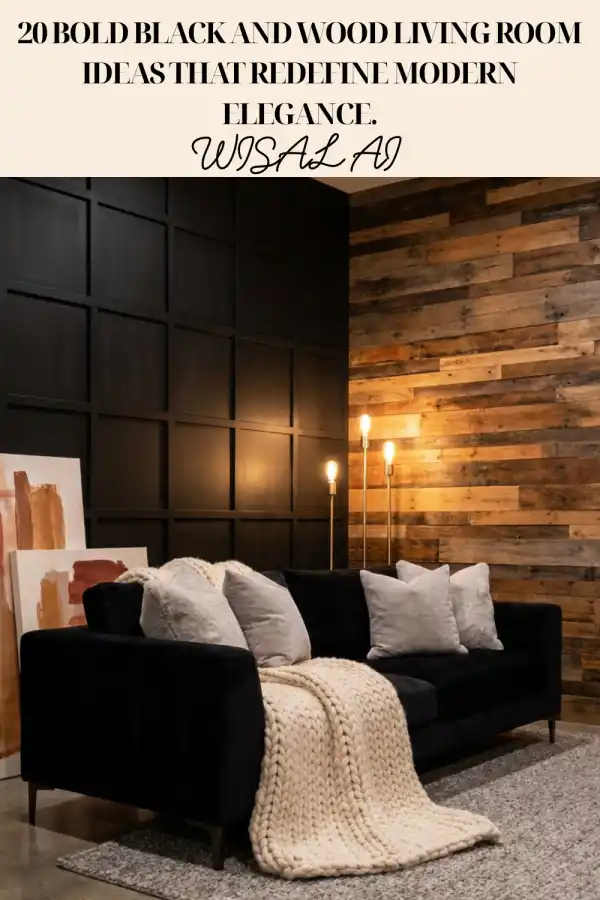
Natural wood immediately softens contemporary interiors while adding authenticity and warmth. White oak and walnut are particularly popular because they complement a wide variety of neutral color palettes. Wood can appear in coffee tables, media walls, shelving, ceiling beams, sideboards, or decorative accessories. Repeating the same wood tone throughout the room strengthens visual continuity and reinforces the custom-designed appearance. Combining wood with stone, linen, wool, and matte black accents creates a timeless material palette inspired by luxury residential architecture. The result is a living room that feels balanced, inviting, and full of natural character.
16. Add Hidden Technology
One characteristic shared by many designer living rooms is that technology never dominates the space. Televisions, speakers, charging stations, routers, and cables are carefully concealed whenever possible. Hidden cable management, integrated charging drawers, motorized television panels, and discreet sound systems preserve the room's clean architectural lines while maintaining full functionality. Reducing visible technology allows beautiful materials and furniture to become the primary focus. The result is a calmer, cleaner living room that feels both modern and sophisticated.
17. Bring Nature Indoors
Natural elements introduce life and movement while making the living room feel healthier and more relaxing. Large indoor trees, sculptural olive trees, fiddle leaf figs, or carefully selected greenery soften hard architectural surfaces while improving the room's visual balance. Pair them with ceramic, stone, or woven planters that complement the overall material palette. Natural light further enhances these organic elements, creating subtle changes throughout the day that make the room feel dynamic. The result is a living room that feels fresh, welcoming, and connected to nature.
18. Maintain Clear Circulation Paths
A beautifully furnished room loses much of its appeal if moving through it feels difficult. Professional designers always prioritize comfortable circulation by leaving generous pathways between furniture pieces. Arrange seating so people can walk naturally through the room without navigating around obstacles. Coffee tables, side tables, and chairs should support conversation while maintaining comfortable distances. A well-planned layout improves everyday living while making the space feel larger and more functional. The result is a living room that combines elegance with exceptional usability.
19. Repeat Materials Throughout the Space
Consistency is one of the biggest secrets behind custom-designed interiors. Repeating the same materials across different furniture pieces creates continuity that makes the room feel cohesive. For example, the white oak used on a media wall can also appear on floating shelves and side tables. The stone selected for a coffee table may be echoed in decorative accessories or a fireplace surround. This repetition creates rhythm throughout the room without becoming repetitive because the materials appear in different forms and scales. The result is a living room that feels unified, balanced, and professionally designed.
20. Prioritize Timeless Design Over Trends
The most impressive custom interiors remain beautiful long after design trends have changed. Rather than chasing every new style, focus on decisions that will continue looking elegant for years. Choose neutral color palettes, high-quality materials, durable furniture, and classic silhouettes that can evolve naturally with changing accessories and artwork. Timeless interiors also provide greater long-term value because they require fewer major updates while continuing to feel current. A living room designed around enduring principles becomes more than a fashionable space it becomes a lasting reflection of thoughtful design. The result is a custom-inspired living room that feels sophisticated today and will continue to do so for many years.
Conclusion
A living room that looks custom designed is not defined by an unlimited budget or extravagant furniture. Instead, it reflects thoughtful planning, carefully selected materials, balanced proportions, and attention to every detail. From floor-to-ceiling media walls and built-in shelving to layered lighting, oversized rugs, and natural wood finishes, each design decision contributes to a space that feels cohesive and intentionally crafted. The 20 living room ideas in this guide demonstrate that achieving a custom look is possible in homes of every size. By focusing on timeless materials, integrated storage, architectural features, and furniture that fits the room perfectly, you can create an interior that feels elegant, functional, and uniquely personal. Rather than filling the space with unnecessary décor, allow quality craftsmanship and thoughtful styling to become the defining features of the room. Whether you're planning a complete renovation or making gradual improvements over time, these ideas provide a lasting foundation for a living room that feels professionally designed from every angle. The result is a welcoming space that combines everyday comfort with the refined character of a truly custom home.
FAQs
1. What makes a living room look custom designed?
Built-in features, cohesive materials, layered lighting, quality furniture, and thoughtful architectural details create a custom-designed appearance.
2. Are built-ins worth the investment?
Yes. Built-in shelving, media walls, and storage maximize space while giving the room a seamless and personalized look.
3. Which materials create a custom luxury feel?
White oak, walnut, travertine, marble, limestone, linen, wool, leather, and handcrafted ceramics are all excellent choices.
4. How important is lighting?
Layered lighting is one of the most important elements because it improves functionality while highlighting architectural features and creating atmosphere.
5. Should I use one large rug or several small rugs?
A single oversized rug usually creates a cleaner, more cohesive seating arrangement than multiple smaller rugs.
6. How do I avoid a cluttered living room?
Use hidden storage, built-in cabinetry, and intentional styling while leaving enough negative space between decorative objects.
7. Is natural wood still in style?
Yes. White oak and walnut remain timeless materials that complement both modern and classic interiors.
8. Can a small living room look custom designed?
Absolutely. Built-ins, floating furniture, oversized mirrors, layered lighting, and a well-planned layout can dramatically elevate even compact spaces.
9. What color palette works best?
Warm neutrals such as ivory, beige, greige, taupe, soft gray, and natural wood tones provide a timeless foundation.
10. What's the biggest mistake to avoid?
Mixing too many unrelated styles, materials, or furniture scales often prevents a living room from feeling cohesive and professionally designed.