A luxurious living room isn't defined by an unlimited budget or expensive designer furniture. In fact, many of the most elegant interiors achieve their sophisticated appearance through thoughtful design choices rather than costly renovations. It's often the smallest details—carefully layered textures, balanced lighting, timeless materials, and refined styling—that transform an ordinary living room into one that feels polished, inviting, and professionally designed. Walk into any high-end home, boutique hotel, or designer showroom, and you'll notice that nothing feels accidental. Every piece of furniture has a purpose, every decorative accessory complements the overall palette, and every material contributes to a cohesive atmosphere. The result isn't simply a beautiful room—it's a space that feels calm, comfortable, and effortlessly luxurious. Many homeowners focus on buying larger furniture pieces while overlooking the finishing details that truly define the room. A beautiful sofa alone won't create a high-end look if it's paired with poor lighting, undersized rugs, cluttered surfaces, or mismatched accessories. Luxury is created through harmony, proportion, and careful attention to every visible element. Fortunately, achieving this refined appearance doesn't require a complete remodel. Small upgrades—such as replacing outdated hardware, introducing layered lighting, styling your coffee table with intention, or choosing richer textures—can dramatically elevate the overall design without requiring major construction or a significant investment. In this guide, you'll discover 15 living room details that make your home look high-end. These designer-approved ideas focus on timeless elegance, comfort, and functionality, helping you create a living room that feels sophisticated, welcoming, and beautifully finished every day.
1. Start with a Cohesive Neutral Color Palette
Color is one of the first things people notice when entering a living room, making it the foundation of a refined interior. High-end spaces rarely rely on loud contrasts or too many competing colors. Instead, professional designers build the room around a calm, cohesive palette that creates visual harmony. Warm white, ivory, beige, greige, taupe, soft gray, and muted earth tones remain popular because they reflect light beautifully while creating a timeless backdrop for furniture and accessories. Rather than introducing many unrelated colors, choose three or four complementary shades and repeat them throughout the room. Your sofa, curtains, rug, artwork, cushions, and decorative objects should all feel connected through a consistent palette. Texture becomes the star when colors remain restrained. Linen, boucle, wool, natural wood, stone, and ceramic surfaces provide richness without making the room feel busy. A carefully balanced neutral palette immediately gives the living room a sophisticated appearance that never goes out of style.
2. Invest in Properly Scaled Furniture
Luxury interiors always feel balanced because every furniture piece fits the scale of the room. Oversized sofas can overwhelm compact spaces, while tiny furniture often looks lost in larger rooms. Before purchasing new pieces, consider the room's dimensions and how people move through it. Choose seating that leaves comfortable walkways while maintaining an intimate conversation area. Coffee tables should feel proportional to the sofa, and side tables should be easy to reach without disrupting circulation. Furniture with exposed legs often appears lighter than bulky pieces resting directly on the floor, making the room feel more spacious. Professional designers prioritize proportion over quantity, allowing each furniture piece enough space to breathe. Well-scaled furniture instantly creates the polished balance associated with luxury interiors.
3. Layer Your Lighting Like a Designer
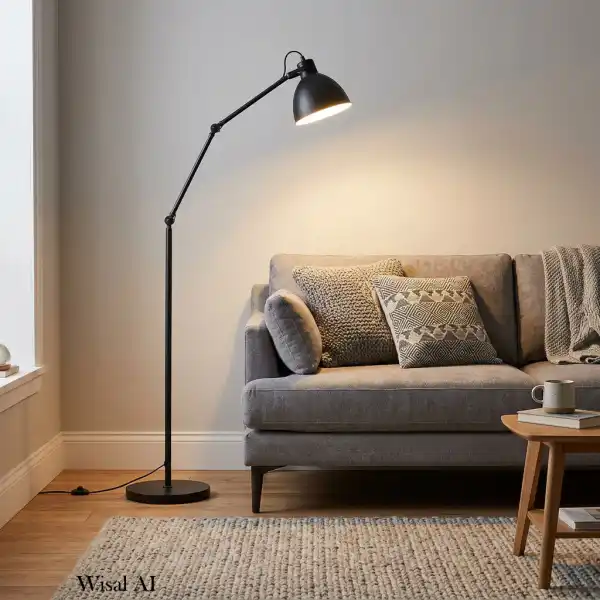
Lighting is one of the defining characteristics of high-end living rooms. Instead of relying solely on one ceiling fixture, designers create several layers of illumination that work together throughout the day. Combine recessed ceiling lights with table lamps, floor lamps, wall sconces, and subtle accent lighting placed inside shelving or beneath cabinets. Warm white bulbs between 2700K and 3000K produce the most inviting atmosphere while enhancing natural materials and neutral colors. Adding dimmer switches provides complete flexibility, allowing bright lighting for entertaining and softer lighting for relaxing evenings. Layered lighting creates visual depth, highlights architectural features, and makes the room feel considerably more luxurious.
4. Choose a Large Area Rug
One of the easiest ways to make a living room look inexpensive is using a rug that's too small. Professional designers almost always recommend choosing the largest rug that comfortably fits the space. Ideally, the front legs of every seating piece should rest on the rug, visually connecting the sofa, chairs, and coffee table into one cohesive arrangement. Natural wool, textured woven fibers, or high-quality synthetic blends add warmth, reduce noise, and introduce another layer of texture. Neutral rugs with subtle patterns generally age more gracefully than bold designs. A properly sized rug anchors the room while making the furniture arrangement appear intentionally planned.
5. Style Your Coffee Table with Purpose
The coffee table sits at the center of most living rooms, making it an ideal place to introduce elegant finishing touches. Rather than filling every inch with decorations, create a carefully balanced arrangement. Combine a stack of beautiful books, a ceramic vase, a decorative tray, candles, or a small sculptural object. Mix heights and textures while leaving enough empty space for practicality. Grouping objects in odd numbers often creates more natural compositions than perfectly symmetrical arrangements. A thoughtfully styled coffee table communicates attention to detail while maintaining functionality. This simple upgrade immediately contributes to a more refined overall appearance.
6. Incorporate Floor-to-Ceiling Curtains
Curtains are often underestimated, yet they are one of the most influential details in a luxury living room. Well-designed window treatments frame the architecture, soften the room, and make ceilings appear noticeably higher. Professional interior designers almost always install curtain rods close to the ceiling instead of directly above the window frame. This simple adjustment creates the illusion of taller walls and larger windows, making the room feel brighter and more spacious. Choose curtains that gently touch the floor or slightly puddle for a sophisticated finish. Linen, cotton blends, velvet, and textured woven fabrics all add richness without overwhelming the design. Neutral shades remain the safest choice because they coordinate easily with changing furniture and seasonal décor. Layering sheer curtains behind heavier drapes gives you flexibility throughout the day. During daylight hours, the sheers maintain privacy while allowing sunlight to filter into the room. In the evening, the outer drapes create warmth, improve insulation, and make the space feel cozy. Beautiful curtains act like a tailored suit for your living room—they complete the design while adding elegance that immediately catches the eye.
7. Display Oversized Artwork
Artwork has the power to completely transform the character of a living room. High-end interiors rarely rely on many small, unrelated pieces. Instead, they often feature one or two large-scale artworks that become the room's visual centerpiece. Oversized artwork creates a strong focal point and makes the walls feel more intentional. Whether you choose abstract paintings, soft landscapes, black-and-white photography, or minimalist prints, the artwork should complement the room's color palette rather than compete with it. Frames are equally important. Thin black metal, warm oak, white wood, or brushed brass frames provide a timeless appearance that works across many design styles. Leave enough empty wall space around the artwork to allow it to stand out. Crowding the wall with too many decorative pieces can reduce its visual impact. Thoughtfully selected artwork adds personality while giving the entire room the curated feeling of a professionally designed interior.
8. Introduce Rich Natural Materials
Luxury interiors are built around authentic materials rather than artificial imitations. Natural wood, marble, limestone, travertine, linen, leather, ceramic, wool, and woven fibers all introduce subtle imperfections that make a room feel warm and sophisticated. Rather than replacing every piece of furniture, simply introduce a few carefully selected natural materials. A marble tray, a solid oak coffee table, a woven storage basket, or handmade ceramic accessories can significantly elevate the room. These materials age beautifully over time, developing character instead of appearing worn out. Professional designers often combine smooth surfaces with textured finishes to create visual contrast. A soft linen sofa paired with a polished stone coffee table and warm wood shelving creates depth while maintaining balance. Natural materials give the living room an understated elegance that never feels forced.
9. Add Layered Decorative Pillows
Decorative pillows are much more than colorful accessories—they help define the overall style and comfort of the living room. Instead of purchasing matching pillow sets, combine different fabrics, sizes, and textures while keeping the color palette cohesive. Mix linen, velvet, boucle, cotton, and woven textiles to create subtle variation. Combining square cushions with lumbar pillows also creates a more dynamic arrangement. Avoid overcrowding the sofa. A few thoughtfully selected pillows create a refined appearance, while too many can make seating uncomfortable. Repeating accent colors found elsewhere in the room helps unify the overall design. Layered pillows make even a simple sofa feel luxurious and inviting.
10. Bring Greenery into the Room
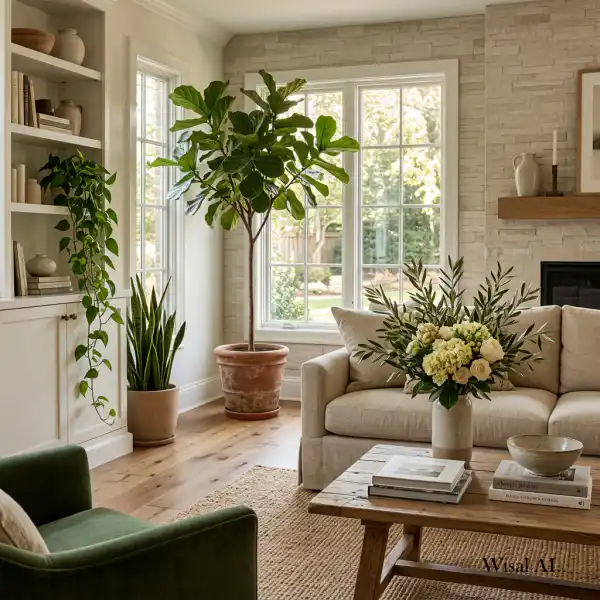
Fresh greenery is one of the most affordable ways to make a living room feel elegant and alive. Large plants such as olive trees, fiddle-leaf figs, bird of paradise plants, or rubber trees create beautiful sculptural forms that soften architectural lines. Smaller plants can be placed on coffee tables, shelves, sideboards, or window ledges to add touches of natural color throughout the room. Choose high-quality ceramic or stone planters that complement the rest of the décor. Plants improve visual balance by introducing organic shapes among straight furniture lines, helping the room feel calmer and more welcoming. Even one carefully positioned plant can dramatically increase the feeling of freshness and luxury.
11. Upgrade Decorative Lighting Fixtures
Lighting fixtures themselves should be treated as decorative elements rather than simply functional necessities. A sculptural pendant light, elegant chandelier, designer table lamp, or sophisticated floor lamp can become an important design feature even when switched off. Look for clean silhouettes, quality finishes, and timeless materials such as brass, matte black metal, frosted glass, or natural stone. Avoid fixtures that appear overly trendy or excessively ornate. Beautiful lighting fixtures contribute personality while reinforcing the room's architectural character. Professional designers often use statement lighting to create subtle drama without overwhelming the space.
12. Keep Surfaces Carefully Styled
Luxury living rooms rarely appear crowded. Instead of filling every shelf, side table, or console with decorative objects, professional designers carefully edit each display. Use decorative trays to group smaller accessories together. Combine books, candles, ceramics, and sculptural objects while leaving generous empty space around each grouping. Bookshelves should include both decorative items and negative space to prevent visual clutter. This thoughtful restraint allows every accessory to stand out while making the room feel calm and organized. The absence of unnecessary clutter is often one of the defining characteristics of high-end interiors.
13. Create Depth with Layered Textures
One reason luxury living rooms feel so visually interesting is the variety of textures they contain. Rather than relying on bold colors, designers combine soft fabrics, woven materials, polished stone, natural wood, boucle upholstery, knitted throws, and textured rugs. Each surface interacts differently with light, creating subtle depth throughout the room. For example, a velvet cushion reflects light differently than linen upholstery, while woven baskets contrast beautifully against smooth ceramic vases. Layering texture allows a neutral living room to feel rich and sophisticated without becoming visually overwhelming. The result is a space that feels warm, inviting, and beautifully balanced.
14. Upgrade Small Hardware and Finishes
Luxury often reveals itself through the smallest details. Replacing cabinet handles, drawer pulls, shelving brackets, curtain rods, switch plates, and door hardware can dramatically refresh the appearance of a living room. Choose finishes that remain consistent throughout the space. Brushed brass introduces warmth, matte black creates contemporary elegance, while satin nickel offers timeless versatility. Matching these finishes across lighting fixtures, furniture hardware, and decorative accents creates visual continuity that makes the room feel professionally designed. These subtle improvements require relatively little investment yet produce surprisingly noticeable results.
15. Edit Every Corner Until It Feels Intentional
Perhaps the most important luxury detail isn't something you buy—it's something you remove. Professional designers continuously evaluate each room, asking whether every visible object contributes beauty or function. If an item feels unnecessary, outdated, or visually distracting, it is removed. Leave enough breathing room between furniture pieces. Avoid overcrowding shelves. Maintain balanced proportions. Keep decorative objects meaningful rather than excessive. Luxury isn't created through abundance—it comes from thoughtful restraint. When every element has a clear purpose, the room naturally feels more elegant, more spacious, and far more expensive than it actually is. The most memorable living rooms are those where every detail appears intentional.
Conclusion
A high-end living room is not defined by the price of its furniture but by the quality of its design decisions. Carefully selected colors, properly scaled furniture, layered lighting, natural materials, elegant curtains, and meaningful decorative accessories all work together to create a space that feels refined and timeless. Rather than relying on trends, focus on details that improve both beauty and everyday comfort. The smallest upgrades often deliver the greatest impact. A larger rug can unify the entire seating area, oversized artwork can establish a strong focal point, layered textures add warmth, and thoughtfully styled surfaces create a sense of calm sophistication. Even replacing outdated hardware or adding a single statement light fixture can dramatically elevate the overall appearance of your living room. Ultimately, luxury is about intention. When every element is chosen with care and every corner serves a purpose, the room feels balanced, welcoming, and professionally designed. By investing in timeless details instead of temporary trends, you can create a living room that not only looks high-end today but continues to feel elegant for many years to come.
FAQs
1. What makes a living room look expensive?
A cohesive color palette, layered lighting, quality materials, well-proportioned furniture, and carefully styled accessories create a luxurious appearance.
2. Do I need expensive furniture to achieve a high-end look?
No. Thoughtful styling, good proportions, natural textures, and attention to detail often have a greater impact than costly furniture.
3. What's the biggest mistake that makes a living room look cheap?
Using rugs that are too small, overcrowding the space with décor, and relying on a single overhead light are common design mistakes.
4. Which materials look the most luxurious?
Natural wood, marble, linen, wool, leather, ceramic, travertine, and quality woven textiles all contribute to a timeless high-end aesthetic.
5. Should every living room have large artwork?
Large artwork creates a strong focal point and often looks more sophisticated than several unrelated small pieces.
6. How can I make my living room feel more luxurious on a budget?
Upgrade lighting, add layered textures, style surfaces thoughtfully, introduce indoor plants, and replace outdated hardware with timeless finishes.