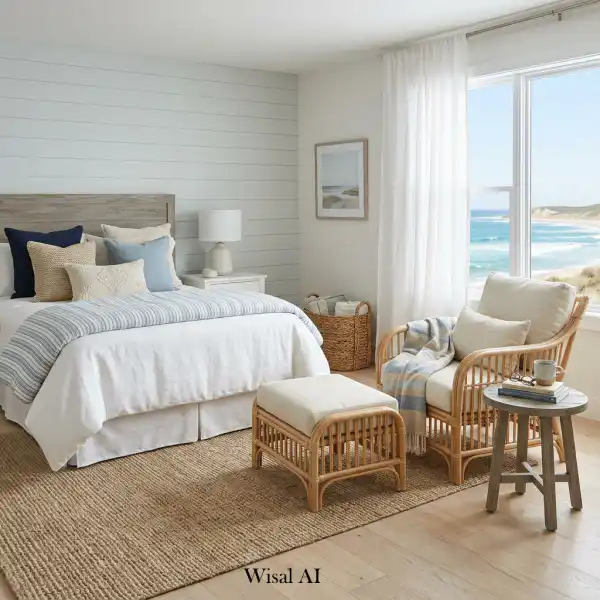
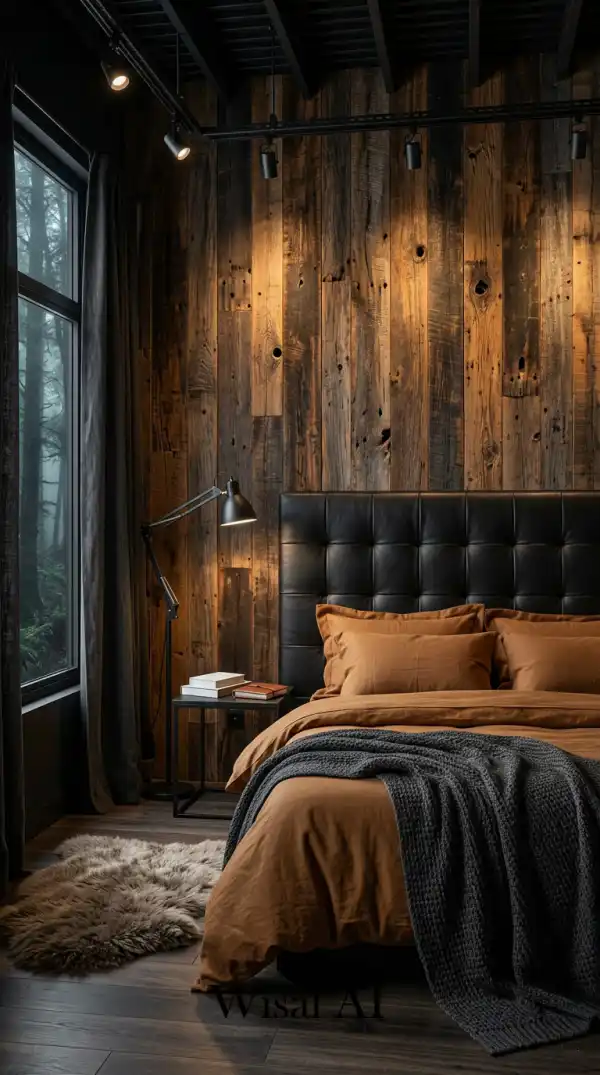
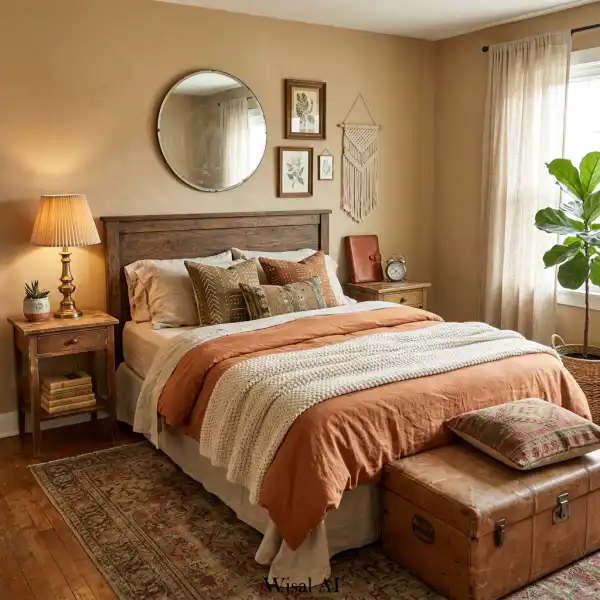
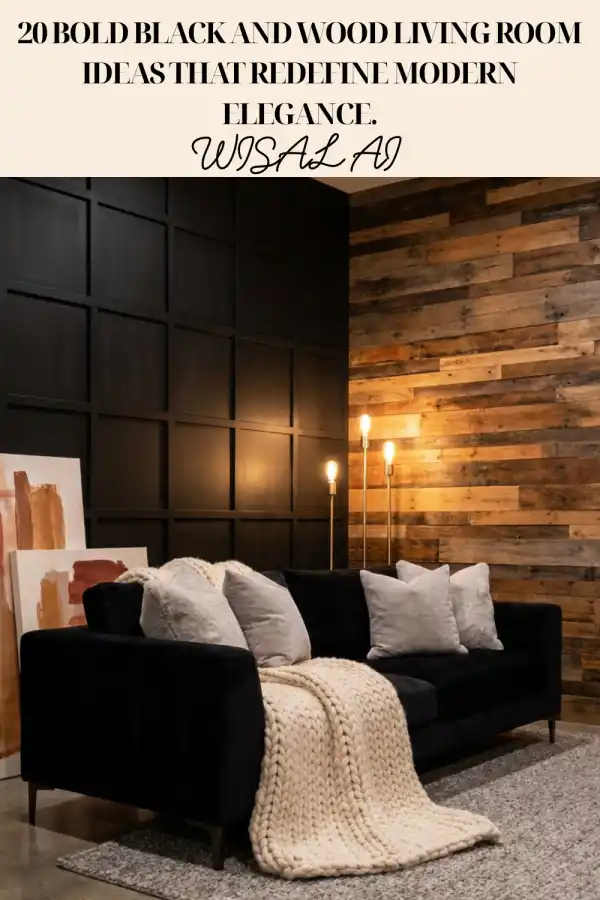
A beautifully designed living room isn't defined by expensive furniture or the latest decorating trends. Instead, it's the small, carefully considered details that make a space feel polished, balanced, and professionally designed. Interior designers understand that luxury comes from thoughtful composition rather than excess, combining furniture, lighting, textures, colors, and accessories in ways that create harmony throughout the room. Many homeowners focus on major purchases such as sofas, coffee tables, or entertainment units while overlooking the finishing touches that truly transform a space. In reality, details like the height of your curtains, the placement of lighting, the layering of textiles, and the styling of decorative objects often have a greater visual impact than buying new furniture. Professional living rooms also avoid feeling cluttered. Instead of filling every shelf or surface, designers carefully edit each space, allowing beautiful materials and meaningful accessories to stand out. Every object has a purpose, whether it contributes to comfort, functionality, or visual balance. Another defining characteristic of designer-inspired interiors is consistency. Rather than mixing unrelated colors, finishes, or furniture styles, successful living rooms follow a cohesive design language. Repeated materials, complementary color palettes, and balanced proportions help create a calm environment that feels elegant without appearing overly decorated. Fortunately, achieving this look doesn't require a complete renovation or a luxury budget. Many designer details can be introduced gradually through thoughtful styling, improved lighting, better furniture placement, and carefully selected decorative elements. Small changes often produce the biggest transformation because they influence how the entire room feels. In this guide, you'll discover 15 living room details that create a designer look. These timeless ideas are used by professional interior designers to build living rooms that feel sophisticated, welcoming, and effortlessly stylish while remaining practical enough for everyday life.
1. Start with a Balanced Furniture Layout
Before adding decorative accessories, focus on the arrangement of your furniture. Professional designers begin by creating a layout that feels balanced, comfortable, and easy to navigate. The sofa should relate naturally to the room's focal point, while accent chairs and tables should support conversation without blocking movement. Avoid pushing every furniture piece against the walls. Instead, create an intentional seating area that encourages interaction and makes the room feel more inviting. A well-balanced layout instantly gives the living room a more refined appearance because every piece feels like it belongs exactly where it is. Beautiful styling always begins with good planning.
2. Use a Large Area Rug
One of the easiest ways to make a living room look professionally designed is by choosing the correct rug size. A rug that's too small can make even expensive furniture feel disconnected. Instead, select a rug large enough for at least the front legs of the sofa and chairs to rest comfortably on it. This visually connects the seating arrangement while adding warmth, texture, and softness underfoot. Professional designers almost always choose larger rugs because they make the room feel more spacious and cohesive. The rug acts as the foundation that ties the entire design together.
3. Layer Your Lighting
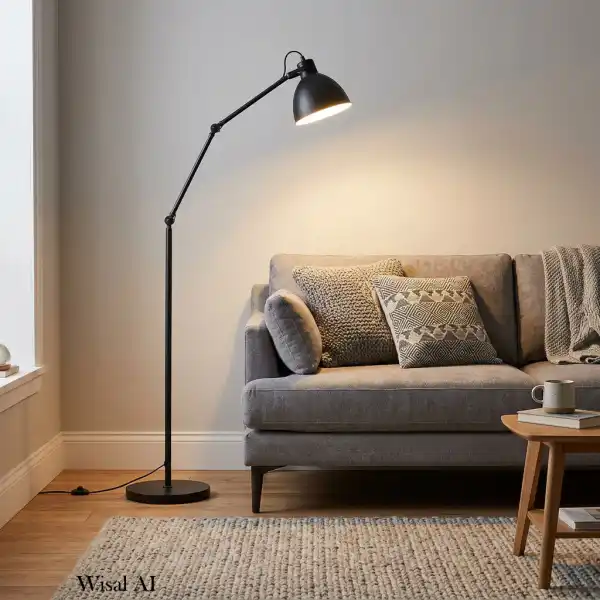
Lighting is one of the most powerful designer tools. Rather than depending on a single ceiling light, combine multiple lighting sources throughout the room. Use overhead fixtures for general illumination, table lamps for warmth, floor lamps beside seating, and accent lighting to highlight artwork or shelving. Warm white bulbs between 2700K and 3000K create the inviting atmosphere commonly found in professionally designed interiors. Layered lighting allows the mood of the room to change throughout the day while adding depth and visual interest.
4. Hang Curtains Higher Than the Windows
Professional designers rarely install curtain rods directly above the window frame. Instead, they mount rods closer to the ceiling and allow curtains to extend all the way to the floor. This simple technique creates the illusion of taller ceilings and larger windows while making the living room feel more elegant. Choose full, softly textured fabrics such as linen or cotton blends for a timeless appearance. Long curtains also soften architectural lines while introducing another layer of texture into the room. It's one of the easiest upgrades with the biggest visual impact.
5. Add Decorative Pillows with Different Textures
Designer living rooms rarely rely on matching pillow sets. Instead, they combine different textures, sizes, and subtle patterns while maintaining a cohesive color palette. Mix linen, velvet, bouclé, woven fabrics, and soft cotton to create depth without introducing visual clutter. Odd-number groupings often feel more natural than perfectly symmetrical arrangements. The goal isn't to add as many pillows as possible, but to create comfort while enhancing the overall design. Layered textiles immediately make a living room feel warmer and more luxurious.
6. Style Your Coffee Table with Intention
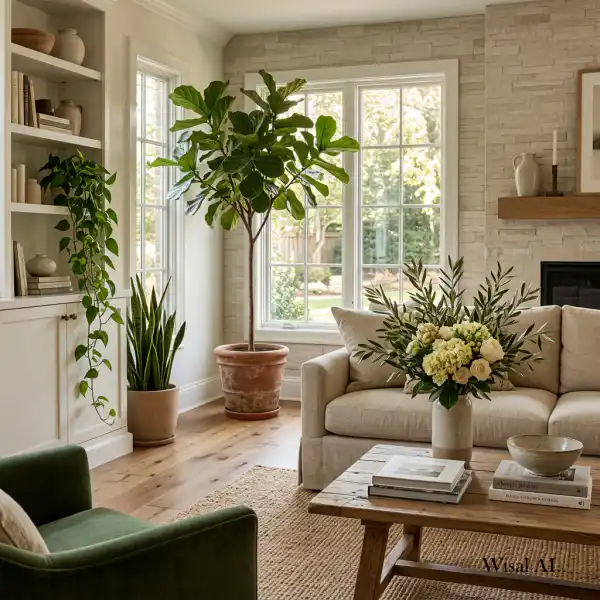
A coffee table is much more than a functional surface—it's often the visual centerpiece of the seating area. Professional designers treat it as an opportunity to add personality while maintaining a clean and organized appearance. Instead of filling the table with random decorative objects, create a balanced composition using a few carefully chosen accessories. A stack of beautiful coffee table books, a ceramic bowl, a sculptural object, fresh flowers, or a scented candle is often all that's needed. Vary the height, shape, and texture of the accessories to create visual interest. Leave generous empty space between items so the arrangement feels refined rather than crowded. A thoughtfully styled coffee table immediately gives the entire living room a more polished, designer-inspired appearance.
7. Introduce Natural Materials
Luxury interiors feel warm because they balance modern finishes with natural materials. Wood, marble, stone, woven baskets, ceramic décor, linen fabrics, leather accents, and natural fiber rugs all add texture without overwhelming the room. Rather than using many different colors, professional designers often rely on contrasting materials to create depth. For example, combining an oak coffee table with a marble tray, ceramic vase, and linen curtains creates subtle richness that feels timeless. Natural materials also age beautifully, ensuring the living room remains stylish for years instead of following short-lived trends.
8. Include Statement Artwork
Every professionally designed living room benefits from one memorable focal point. Large-scale artwork often creates a stronger visual impact than multiple small frames spread across a wall. Abstract paintings, textured canvases, landscape photography, or minimalist prints all work beautifully depending on the overall design style. Choose artwork that complements your color palette while introducing subtle contrast. Hang it at eye level and center it above the sofa or fireplace whenever possible. Oversized artwork immediately elevates the room while making the walls feel intentional rather than empty.
9. Mix Different Lighting Fixtures
Using only one type of lighting often makes a room feel flat. Professional designers combine chandeliers, table lamps, floor lamps, wall sconces, and accent lighting to build depth throughout the room. Each fixture serves a different purpose while contributing to the overall atmosphere. Floor lamps create comfortable reading corners. Table lamps introduce warmth. Wall sconces highlight architectural details. Pendant lighting defines specific areas. This layered approach makes the living room feel welcoming during both daytime and evening hours.
10. Keep Shelves Carefully Styled
Open shelving should never feel overcrowded. Instead of displaying every decorative object you own, curate your shelves with a limited selection of books, ceramics, framed artwork, greenery, candles, and sculptural accessories. Professional designers often alternate vertical and horizontal arrangements while leaving empty space between objects. This prevents shelves from becoming visually overwhelming. The goal is to create a display that feels collected over time rather than filled all at once. Carefully edited shelving always looks more sophisticated than crowded displays.
11. Add Greenery Throughout the Room
Plants introduce life, softness, and natural movement into interior spaces. Luxury living rooms almost always include greenery because it balances furniture, improves visual freshness, and softens hard architectural lines. Large indoor trees fill empty corners beautifully, while smaller plants work well on side tables, shelves, and consoles. Choose low-maintenance varieties such as olive trees, rubber plants, fiddle-leaf figs, snake plants, or peace lilies depending on available light. Natural greenery makes the room feel healthier, brighter, and considerably more inviting.
12. Coordinate Metal Finishes
One detail that often separates professional interiors from ordinary rooms is consistency. Instead of mixing many unrelated metal finishes, choose one primary finish and one complementary accent. Brushed brass, matte black, polished nickel, bronze, and chrome all work beautifully when used consistently. Repeat these finishes across lighting fixtures, furniture hardware, curtain rods, picture frames, and decorative accessories. Coordinated metals quietly unify the room without drawing unnecessary attention. These subtle repetitions contribute significantly to a designer-quality appearance.
13. Leave Some Empty Space
Not every wall, shelf, or tabletop needs decoration. Professional designers understand that empty space allows beautiful furniture and accessories to breathe. Avoid the temptation to fill every available surface. Generous spacing creates visual balance while making the room feel calmer and more spacious. Negative space also helps important design features receive the attention they deserve. Luxury interiors often appear elegant precisely because they avoid unnecessary decoration. Sometimes removing decorative items has a greater impact than buying new ones.
14. Repeat Colors and Materials
One secret to cohesive interior design is repetition. Instead of introducing entirely new colors in every corner, repeat key tones and materials throughout the room. If your coffee table features natural oak, incorporate similar wood tones elsewhere. If brass appears in one light fixture, repeat it in cabinet hardware or decorative objects. Likewise, echo accent colors through pillows, artwork, throws, or vases. These repeated elements quietly connect different parts of the room, creating visual harmony that feels effortless. Professional designers rely heavily on repetition to achieve balanced interiors.
15. Prioritize Comfort Without Sacrificing Style
The most beautiful living room is one people genuinely enjoy using. Designer-inspired interiors are never created for appearance alone. Comfortable seating, soft textiles, practical furniture placement, warm lighting, and organized storage all contribute to a room that supports everyday life. Luxury isn't measured by price—it comes from thoughtful decisions that improve daily comfort while maintaining timeless elegance. When beauty and functionality work together naturally, the living room becomes a place where family and friends genuinely want to spend time. That's the true hallmark of great interior design.
Conclusion
Creating a designer-inspired living room isn't about purchasing the most expensive furniture or following every decorating trend. Instead, it's the thoughtful details that define the overall experience. From a balanced furniture layout and layered lighting to carefully styled shelves, oversized artwork, and natural materials, every small decision contributes to a room that feels refined, welcoming, and professionally designed. Many of these upgrades require little more than rearranging existing furniture, editing decorative accessories, or introducing better lighting and textures. By focusing on quality over quantity and maintaining consistency throughout the space, you can achieve a timeless look that feels elegant for years to come. The most successful interiors are carefully curated rather than overly decorated. Ultimately, a designer look is about creating harmony between comfort and style. A living room should support conversation, relaxation, and everyday living while remaining visually balanced and inviting. By applying these 15 designer-approved details, you can transform an ordinary living room into a sophisticated space that feels both luxurious and effortlessly livable.
FAQs
1. What makes a living room look professionally designed?
Balanced furniture placement, layered lighting, quality materials, cohesive colors, thoughtful styling, and uncluttered spaces are the key elements.
2. How can I create a designer look without spending a lot?
Focus on rearranging furniture, using larger rugs, adding layered lighting, introducing natural textures, and simplifying decorative accessories.
3. Should everything in a living room match?
No. Professional designers mix complementary materials and textures while maintaining a consistent color palette for a more natural and sophisticated appearance.
4. Why is lighting so important in living room design?
Layered lighting adds depth, improves functionality, highlights textures, and allows the atmosphere to change throughout the day.
5. How many decorative accessories should I use?
Use fewer, higher-quality accessories rather than filling every surface. Carefully edited décor creates a cleaner and more luxurious appearance.
6. What is the easiest designer upgrade?
Installing full-length curtains, selecting the correct rug size, improving lighting, and styling the coffee table are among the simplest changes that create the biggest visual impact.