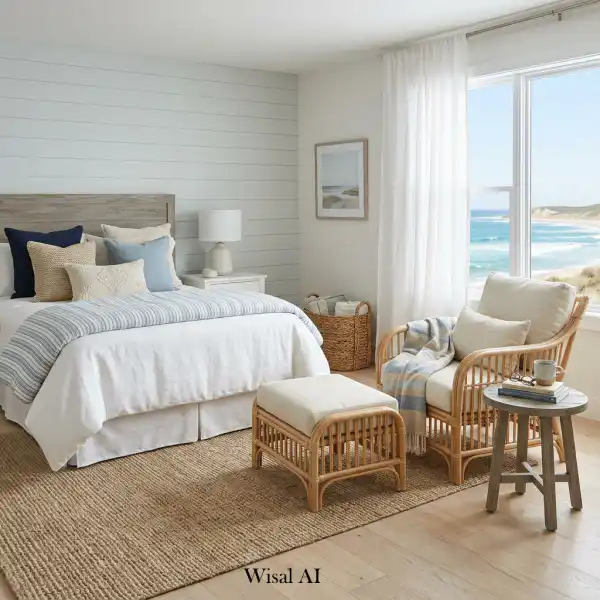
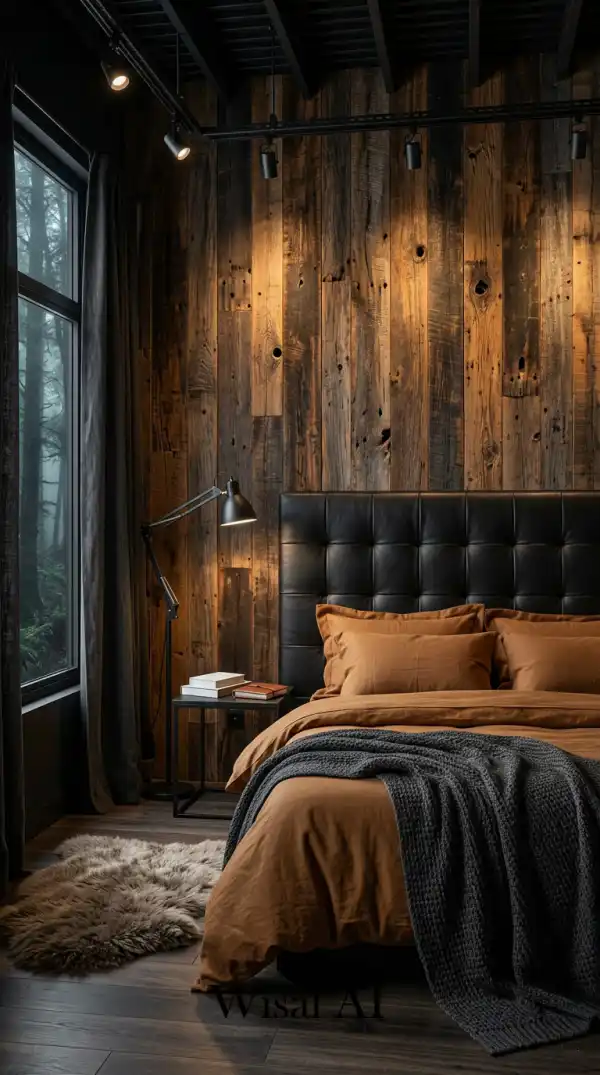
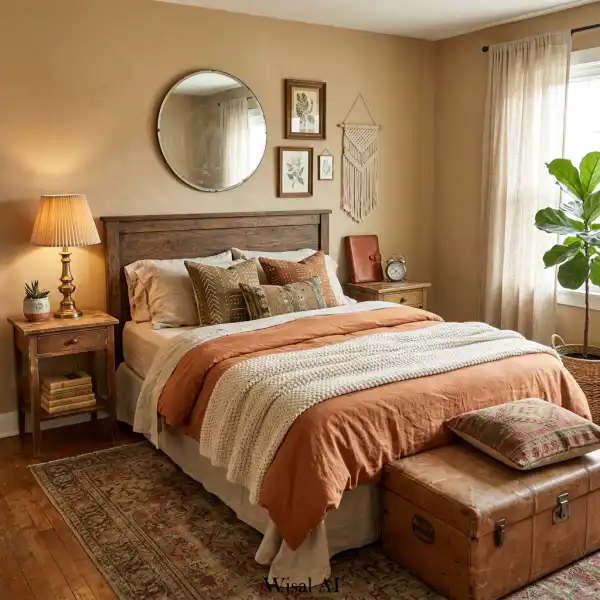
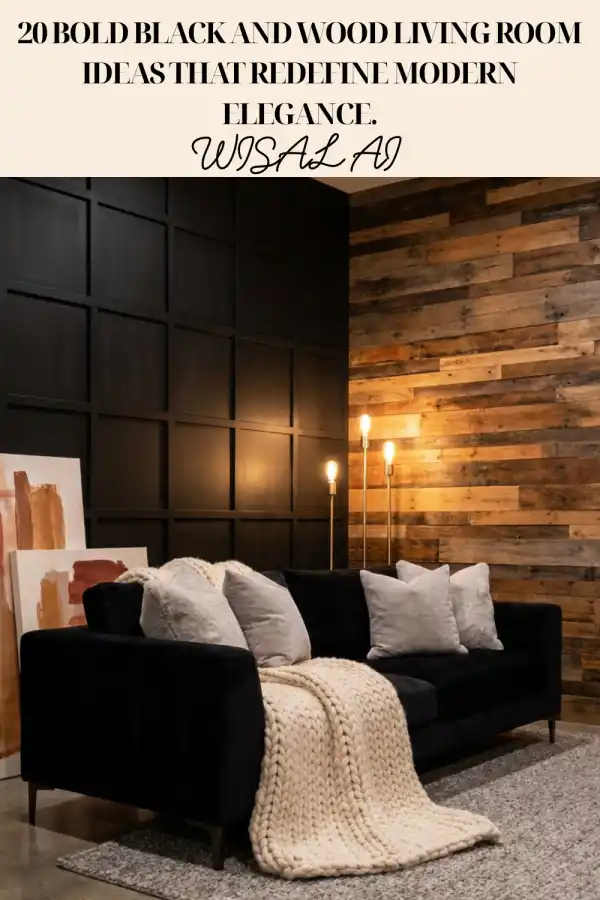
A beautiful home isn't just about designing individual rooms—it's about creating a sense of flow that makes every space feel like it belongs together. When each room follows a completely different style, color palette, or design language, the home can feel disconnected and visually overwhelming. On the other hand, homes with a cohesive design feel larger, calmer, and far more luxurious because every room transitions naturally into the next. Professional interior designers rarely decorate one room in isolation. Instead, they begin by developing an overall vision for the entire home. They carefully consider how colors, materials, furniture, lighting, and architectural details will work together across multiple spaces. This doesn't mean every room has to look identical. In fact, the most inviting homes allow each room to have its own personality while still sharing common design elements that create harmony. Creating this sense of connection is easier than many homeowners expect. Small decisions—such as repeating the same wood finish, using a consistent color palette, or choosing similar lighting styles—can dramatically improve how your home feels. Even subtle details like matching hardware finishes or repeating certain fabrics help tie rooms together without making the design feel repetitive. In this guide, you'll learn how to make every room in your home feel more connected using professional interior design techniques that create visual flow, improve balance, and make your entire home feel brighter, more elegant, and thoughtfully designed.
1. Start with a Whole-Home Color Palette
The easiest way to create a connected home is by choosing a consistent color palette before decorating individual rooms. Rather than selecting completely different colors for every space, build your home around a family of complementary shades. Warm whites, soft beige, greige, light gray, taupe, and muted earth tones work beautifully because they transition naturally from room to room without feeling repetitive. Professional designers often use one primary neutral throughout the home, then introduce subtle accent colors that vary slightly in each room. For example, a living room may feature sage green accents, while the bedroom incorporates dusty blue and the dining room introduces warm terracotta. Although each room has its own identity, the neutral foundation keeps everything visually connected. This approach also allows furniture, artwork, and decorative accessories to move easily between rooms if you decide to refresh your interior in the future. When every room shares a common color language, the entire home feels calmer, larger, and more sophisticated.
2. Repeat the Same Flooring Whenever Possible
Flooring has a surprisingly powerful influence on how connected a home feels. One of the most effective ways to improve visual flow is by using the same flooring throughout connected living areas. Continuous hardwood, engineered wood, or luxury vinyl flooring eliminates unnecessary visual breaks, allowing the eye to travel smoothly from one room to another. If changing flooring isn't possible, choose rugs that complement one another through similar colors, textures, or patterns. This creates continuity even when flooring materials differ. Professional designers also avoid abrupt transitions whenever possible because uninterrupted flooring naturally makes homes appear larger. Consistent flooring provides a strong visual foundation that supports every other design decision throughout the home
3. Choose One Dominant Interior Design Style
Homes often feel disconnected when every room follows a completely different decorating style. A Scandinavian living room beside an industrial kitchen, followed by a traditional bedroom and a farmhouse dining room, can create visual confusion rather than personality. Instead, establish one primary design style that serves as the foundation for your entire home. Whether you prefer Modern, Contemporary, Japandi, Scandinavian, Transitional, Coastal, or Traditional interiors, maintaining consistency across furniture shapes, materials, and finishes creates harmony. Individual rooms can still express their own character through artwork, textiles, or accent colors, but the overall design language should remain recognizable throughout the home. Consistency doesn't limit creativity it allows every room to feel like part of the same thoughtfully designed story.
4. Repeat Natural Materials Across Multiple Rooms
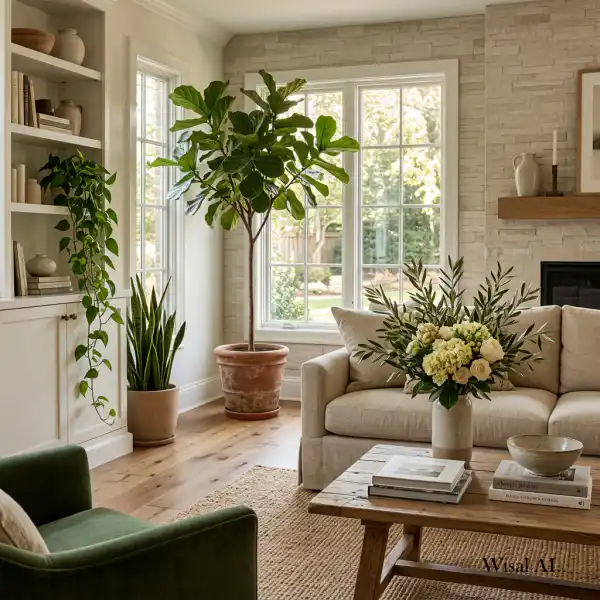
Professional designers often create cohesion by repeating the same materials throughout a home. If natural oak appears in your dining table, consider introducing oak shelving in the living room, bedside tables in the bedroom, or decorative accessories in the entryway. Likewise, repeating linen fabrics, ceramic décor, woven baskets, natural stone, marble, or brushed brass accents creates subtle connections that many people notice without realizing why the home feels so harmonious. These repeated materials build familiarity while allowing each room to remain unique. Natural materials also age beautifully, making them ideal for timeless interiors that continue to look elegant for years.
5. Create Consistency Through Lighting
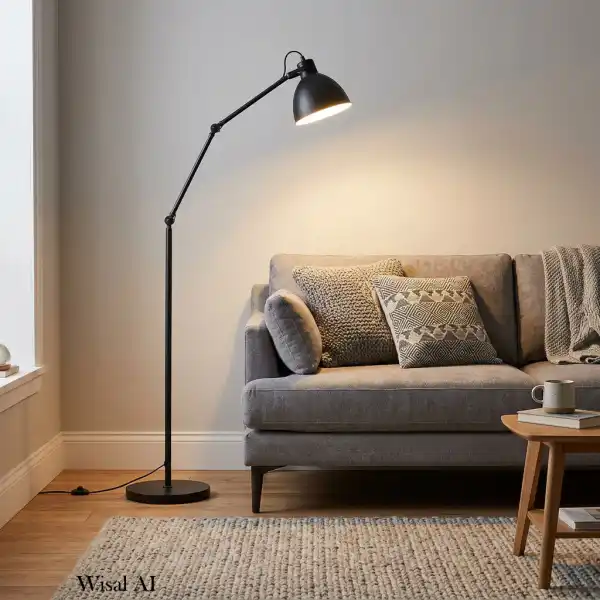
Lighting does much more than illuminate a room—it helps establish the overall atmosphere of an entire home. Instead of selecting completely unrelated light fixtures for every space, choose lighting that shares similar finishes, shapes, or design influences. For example, matte black pendant lights, brushed brass wall sconces, or simple linen lampshades can appear throughout multiple rooms while serving different purposes. Maintain a consistent color temperature as well. Warm white lighting between 2700K and 3000K creates a comfortable atmosphere and ensures every room feels equally inviting. Layer ceiling lights with table lamps, floor lamps, and wall sconces to create depth and visual continuity. When lighting feels consistent, your entire home immediately appears more polished and professionally designed.
6. Keep Furniture Proportions Consistent
One detail that many homeowners overlook is furniture proportion. Even if every room has beautiful furniture, your home can still feel disconnected if one room is filled with oversized pieces while another contains very delicate, minimal furnishings. Professional interior designers think about visual balance throughout the entire home. If your living room features low-profile modern furniture, consider choosing a bed, dining chairs, and storage pieces with similar proportions. Likewise, if your home leans toward classic furniture with substantial profiles, maintain that sense of scale throughout the remaining rooms. Consistency doesn't require identical furniture collections. Instead, focus on maintaining similar heights, clean lines, and visual weight. Sofas, dining tables, beds, and storage units should feel like they belong to the same overall design language. Keeping proportions balanced creates a smoother transition between spaces while helping every room feel intentionally designed rather than randomly furnished.
7. Repeat Accent Colors Throughout the Home
Accent colors help connect separate rooms without making the entire home feel repetitive. Instead of introducing completely different color schemes in every space, repeat two or three accent colors throughout the house in different ways. For example, a soft olive green may appear in living room cushions, bedroom artwork, dining room ceramics, and balcony planters. Likewise, warm terracotta might appear in decorative vases, throw blankets, or table accessories. Repeating colors doesn't mean matching everything exactly. Slight variations in tone create visual interest while preserving harmony. Professional designers often use this technique because it quietly guides the eye from one room to another, creating a home that feels collected and thoughtfully coordinated.
8. Use Similar Metal Finishes
Small details often have the greatest influence on a home's overall appearance. Metal finishes are one of those subtle elements that can either unify or divide an interior. Imagine one room featuring polished chrome, another with oil-rubbed bronze, another with gold, and another with matte black. Although each finish may be attractive individually, the overall home can feel inconsistent. Instead, choose one primary finish such as brushed brass, matte black, satin nickel, or aged bronze and repeat it throughout lighting fixtures, cabinet hardware, faucets, mirrors, curtain rods, and furniture details. A secondary finish may also be introduced carefully for contrast, but the dominant finish should remain consistent across the home. This simple design strategy immediately creates a more refined and luxurious appearance.
9. Decorate with Similar Shapes
Shape plays an important role in creating visual continuity. If your home features soft curved furniture, rounded mirrors, arched doorways, and circular coffee tables, continue incorporating gentle curves throughout other rooms. Likewise, homes centered around clean rectangular furniture, straight architectural lines, and geometric lighting fixtures benefit from repeating those structured forms. Consistent shapes create rhythm, allowing each room to feel naturally connected. This principle extends beyond furniture to artwork, mirrors, shelving, decorative accessories, and even plant containers. Repeated forms subtly reinforce your home's design identity without making the décor appear repetitive.
10. Layer Similar Textures Throughout Every Room
Texture adds warmth while creating invisible connections between spaces. For example, if woven baskets appear in the living room, consider using woven laundry baskets in the bedroom or woven storage in the bathroom. Linen curtains may continue throughout multiple rooms, while boucle seating, wool throws, natural jute rugs, ceramic accessories, and wood furniture reinforce the same tactile experience. Layering familiar textures allows different rooms to feel visually related even when their functions differ. Professional designers rarely rely on color alone. Texture often becomes the hidden element that ties an entire home together. Homes with layered textures feel richer, calmer, and significantly more inviting.
11. Let Artwork Tell One Story
Artwork should complement the overall mood of your home rather than competing from room to room. While every space doesn't need identical artwork, maintaining a similar artistic style creates continuity. For example, abstract paintings, black-and-white photography, botanical prints, landscapes, or minimalist illustrations can appear throughout different rooms while remaining connected by consistent framing and color palettes. Choose similar frame materials, such as natural oak, black metal, or brushed brass, to strengthen the relationship between each piece. Artwork becomes even more meaningful when it reflects your personal interests while supporting the overall interior style. Thoughtfully selected artwork transforms individual rooms into chapters of the same design story.
12. Keep Window Treatments Coordinated
Curtains are often overlooked when designing a cohesive home. Different curtain lengths, fabrics, colors, and hanging styles can interrupt visual flow between connected rooms. Professional designers frequently use the same curtain fabric throughout public spaces while allowing bedrooms to introduce slight variations. Floor-length linen curtains, neutral woven shades, or soft sheer panels create consistency while maximizing natural light. Even if every room doesn't require identical treatments, choosing complementary fabrics and similar hardware keeps the home feeling connected. This subtle detail contributes more to the overall atmosphere than many homeowners realize.
13. Create Smooth Visual Transitions Between Rooms
Doorways, hallways, and open-plan spaces should feel like gentle transitions rather than abrupt design changes. Avoid introducing dramatic color shifts or completely different decorating styles immediately beyond a doorway. Instead, repeat familiar materials, colors, lighting, or decorative elements where rooms connect. A hallway featuring artwork that echoes the living room palette naturally prepares visitors for the next space. Likewise, repeating flooring, trim colors, or architectural details strengthens the relationship between adjoining rooms. Smooth transitions make even smaller homes appear larger because the eye moves comfortably from one space to another.
14. Balance Personality with Consistency
Every room deserves its own identity. Your bedroom should feel different from your kitchen, and your dining room should have a different atmosphere than your living room. However, these differences should feel intentional rather than unrelated. Allow each room to express its purpose through carefully chosen accent colors, artwork, textiles, or decorative accessories while maintaining the same overall design language. For example, your bedroom may introduce softer textures for relaxation, while the dining room emphasizes richer wood tones for warmth. The common thread remains the same, but each room develops its own personality. This balance keeps your home interesting while preserving visual harmony.
15. Edit Your Home as One Complete Design
Perhaps the biggest difference between professionally designed homes and ordinary interiors is that designers continuously evaluate the home as a whole rather than as separate rooms. Walk through your home slowly and observe how one room leads into the next. Ask yourself whether the colors flow naturally, whether materials repeat appropriately, whether lighting feels consistent, and whether furniture proportions remain balanced. Sometimes removing one unnecessary decorative object improves visual harmony more than purchasing something new. Likewise, relocating a chair, replacing a rug, or changing a lamp may strengthen the connection between multiple rooms simultaneously. A cohesive home evolves over time. Professional designers rarely complete every room at once. Instead, they refine, edit, and improve the entire interior gradually until every space feels connected. When every room contributes to one unified vision, your home feels brighter, calmer, larger, and considerably more luxurious.
Conclusion
A beautifully connected home is created through thoughtful consistency rather than identical decorating. While each room should serve its own purpose and express its own personality, repeating colors, materials, textures, finishes, and design principles throughout the house creates a sense of harmony that makes every space feel naturally connected. Simple choices such as maintaining a cohesive color palette, repeating wood finishes, coordinating lighting, selecting similar fabrics, and balancing furniture proportions have a powerful impact on the overall atmosphere. These subtle design decisions help your home feel larger, brighter, and far more refined without requiring major renovations or expensive furniture. The most memorable homes aren't those with the most decoration—they're the ones where every room feels like part of the same story. By focusing on flow rather than perfection, and by allowing your home to evolve gradually over time, you can create an interior that feels calm, welcoming, and effortlessly luxurious from the front door to the final room.
FAQs
1. How do I make every room in my home feel connected?
Use a consistent color palette, repeat materials and finishes, coordinate lighting, and maintain a similar interior design style throughout the home.
2. Should every room have the same color scheme?
No. Each room can have its own accent colors, but they should all share a common neutral foundation for a cohesive look.
3. What's the easiest way to create flow between rooms?
Using the same flooring, repeating wood finishes, and coordinating décor are some of the simplest ways to improve visual continuity.
4. Can different decorating styles work together?
Yes, but one style should remain dominant while the others are introduced as subtle influences to maintain harmony.
5. Why do professionally designed homes feel more cohesive?
Designers repeat colors, textures, materials, lighting, and proportions throughout the home, creating a unified visual language.
6. Do I need to redecorate my entire home at once?
No. The best results often come from making gradual improvements over time while keeping a clear overall design vision.